History
In the Second Age, Dunland’s population swelled due to an influx of refugees from other parts of Enedwaith. Native men fled the Númenórean colonists who had begun to deforest the region, gathering in either the Eryn Vorn or Dunland, both more inhospitable terrain than the plains that had formerly been their home. After the founding of Gondor, Dunland was technically a part of the kingdom, though the people were generally left to their own devices, as the Great Road did not pass through the region. In T.A. 1150, Stoors (a breed of Hobbit) crossed over the Misty Mountains from the Vales of Anduin, some of them settling in Dunland. The last of them would leave 500 years later, migrating to the newly founded Shire. Around the same time, the Great Plague sweeps through Enedwaith and Eriador. The plague did not cause as much harm in Dunland, as it was both isolated from the outside world and lacked connections internally through which the plague could spread.
Early in the third millennium, the Dunlendings ceased to be subjects of Gondor, and began to spread into the dwindling province of Calenardhon, south and east of the Isen. This expansion was halted when Rohan was founded in T.A. 2510, though tensions remained between the two peoples. Isengard is abandoned around this time, and occupied by a group of Dunlendings, though they cannot access the tower of Orthanc- they are driven out by the Rohirrim a few decades later. Following the Sack of Erebor in T.A. 2770, some dwarves settled in the region, including Kings Thrór and Thráin II, and Thorin Oakenshield. After the War of Dwarves and Orcs, the dwarves left for the Ered Luin, with no dwarves remaining in Dunland after T.A. 2802. In the late Third Age, the wizard Saruman, who took up residence in Isengard in T.A. 2759, allies himself with the Dunlendings, seeking to use them against the Rohirrim. More and more Dunlendings begin to settle in Rohan, especially the West-march.
Geography
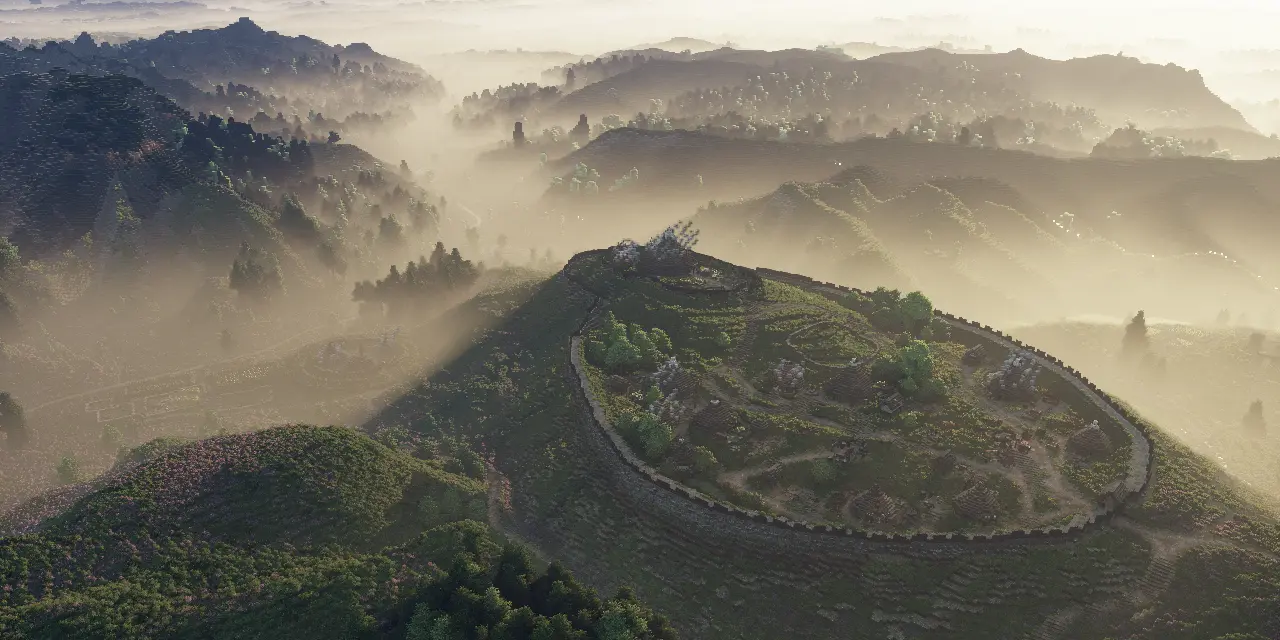
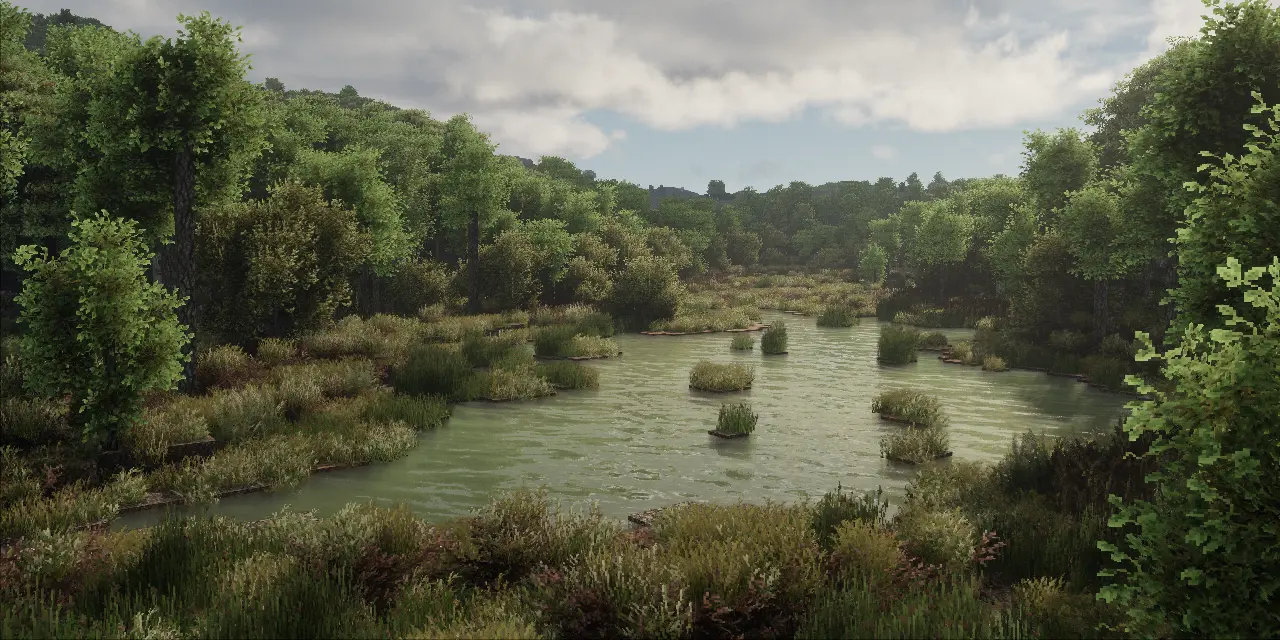
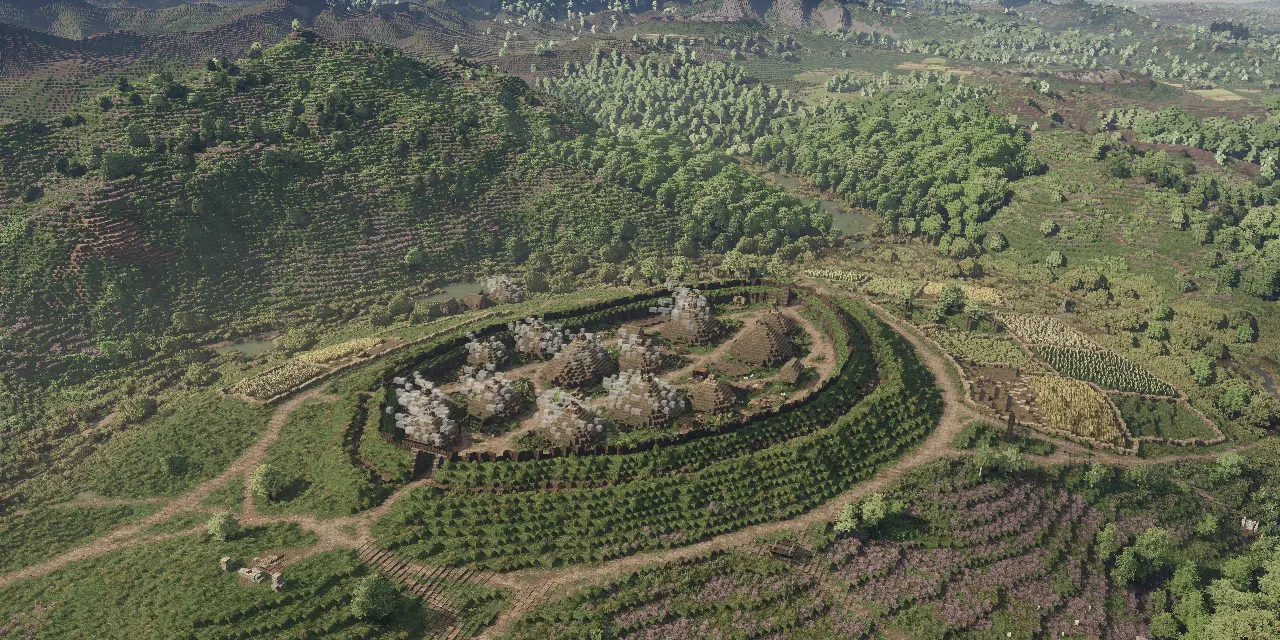
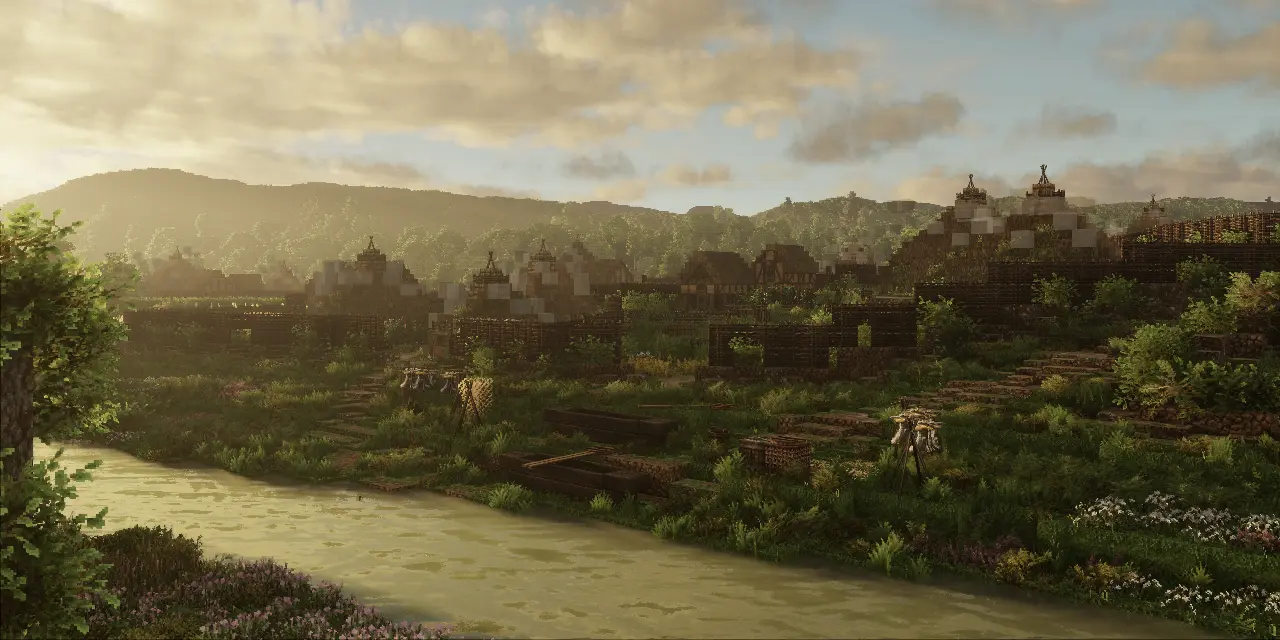
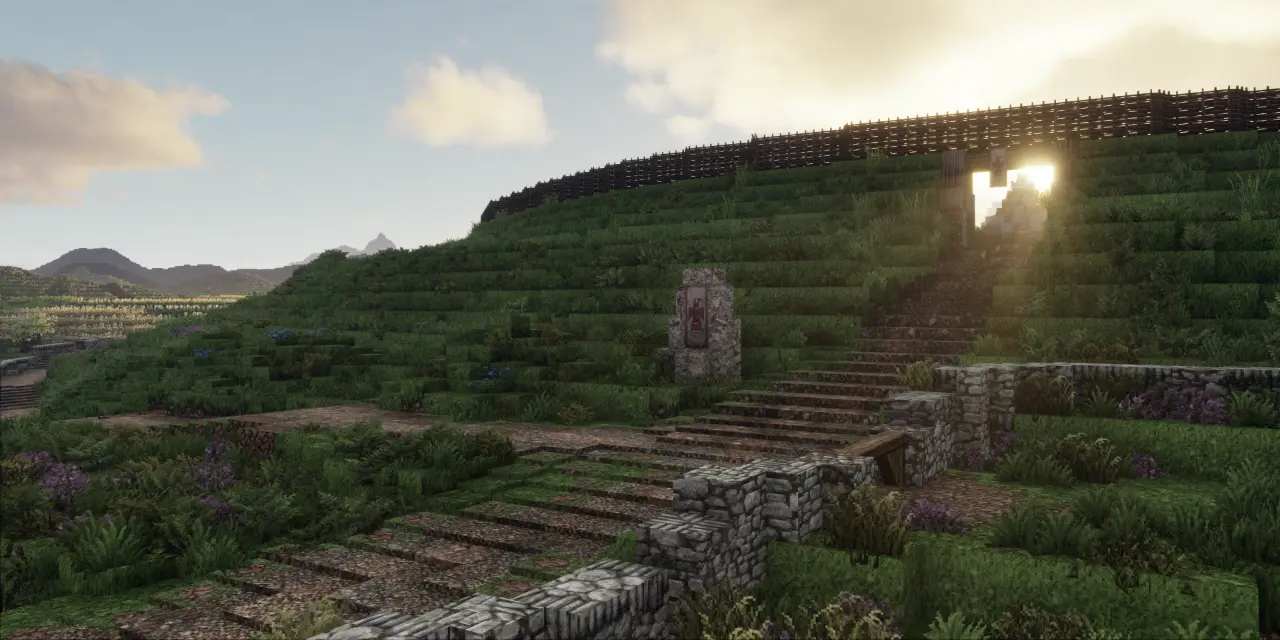
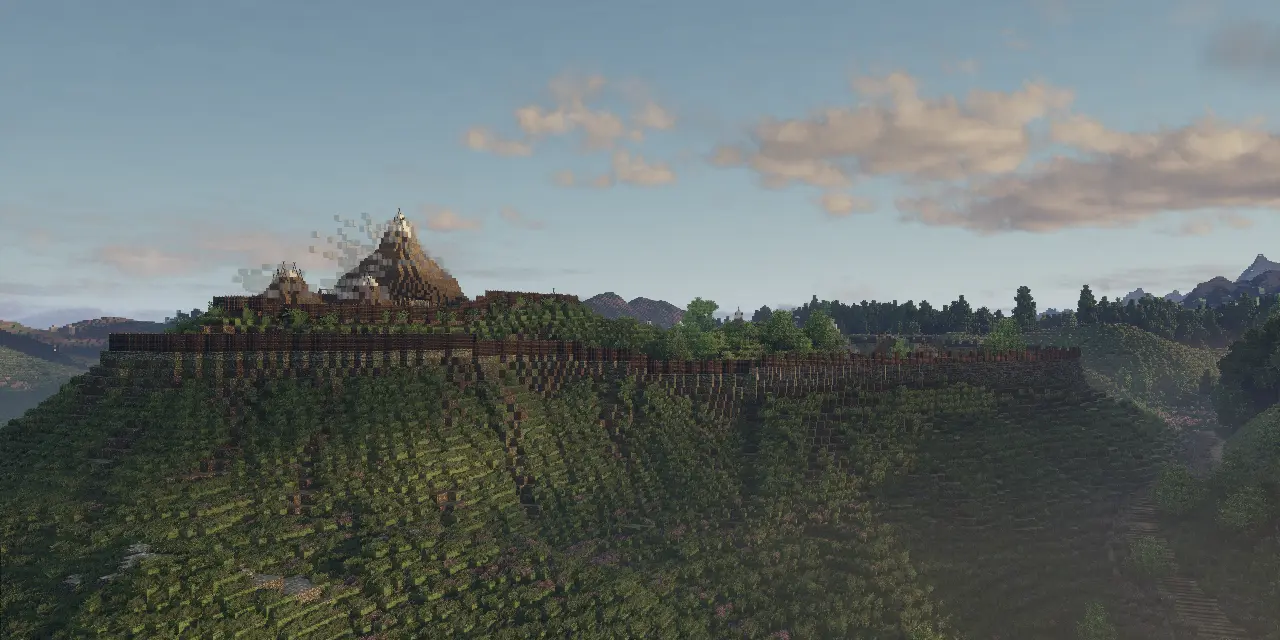
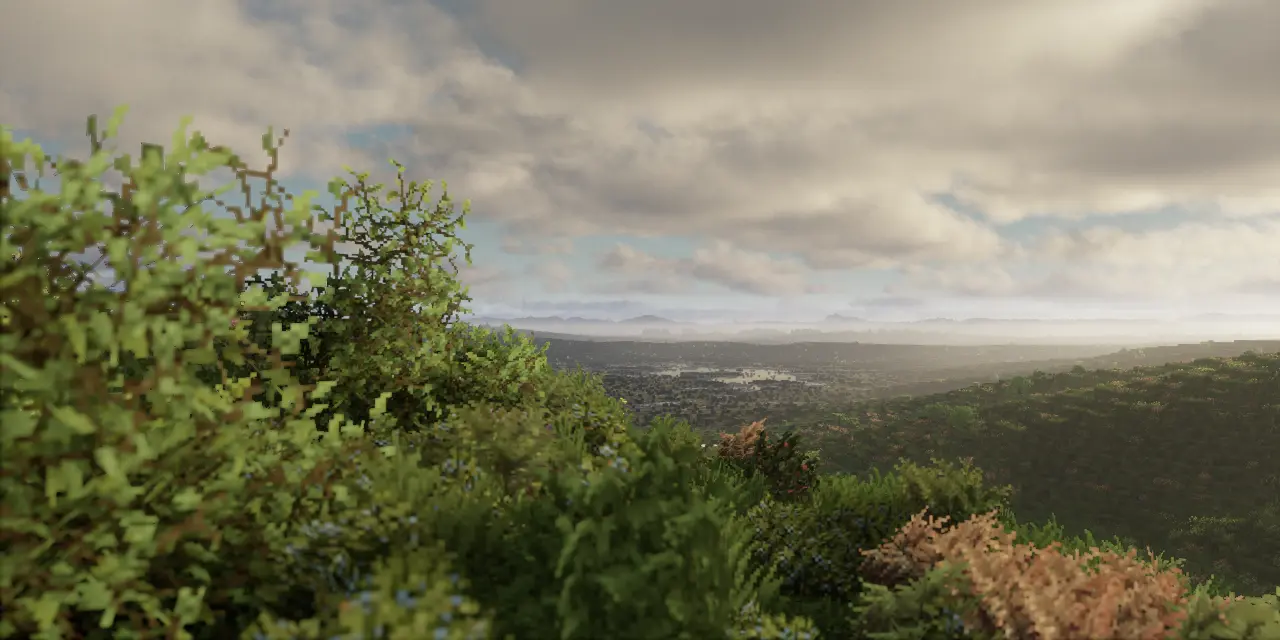
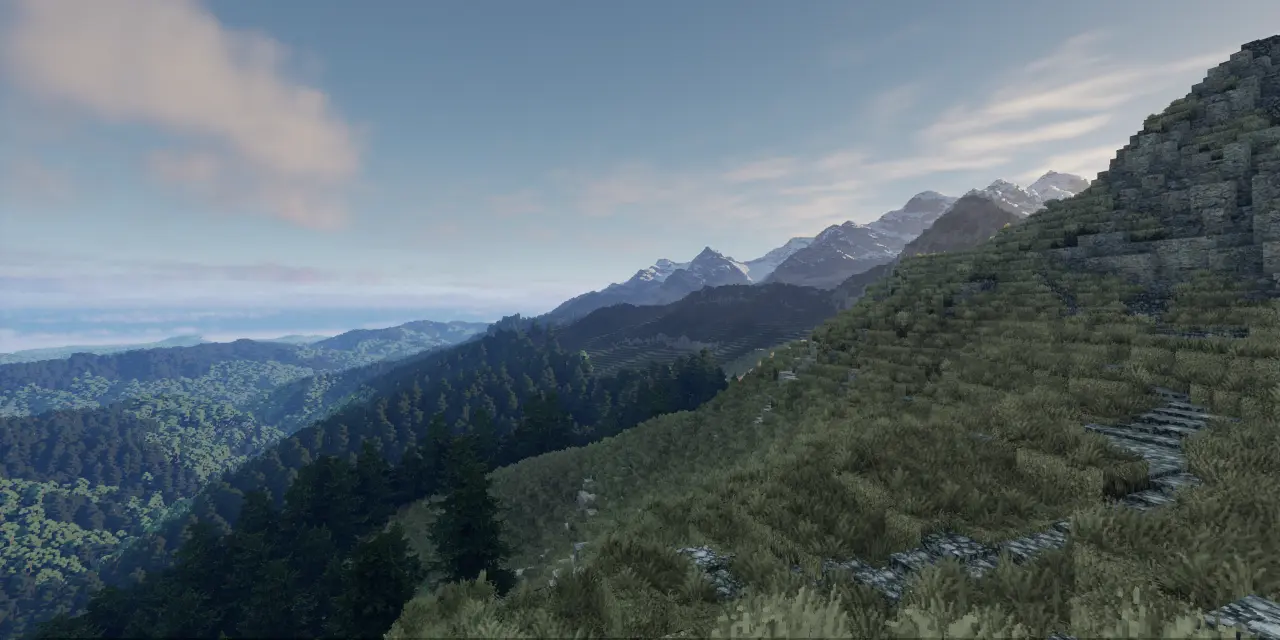
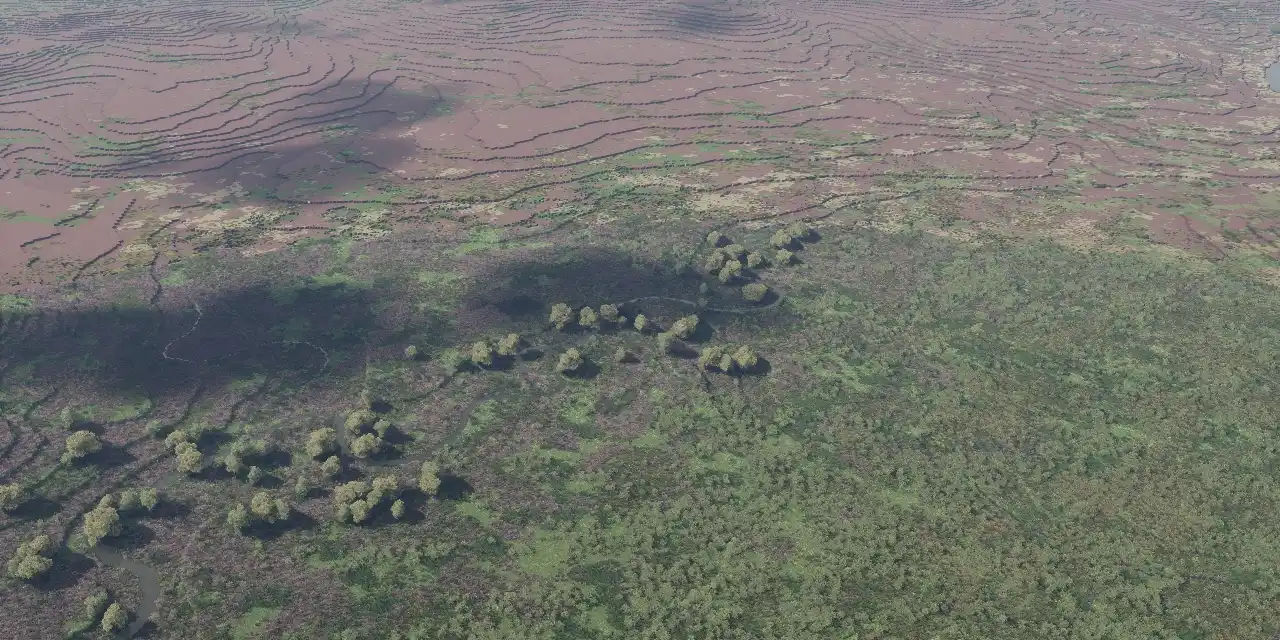
Dunland is a hilly region, within the foothills of the southern Misty Mountains. Though a part of Enedwaith, they do not share the barren plains that the region is known for, instead being a little more hospitable for men to settle in. Dunland is bordered to the east by the Misty Mountains, to the south by the river Isen and to the west by the end of the foothills of the mountains. Though the northern frontier of Dunland is the Glanduin, this area is largely abandoned due to the threat of Orc-raids from the mountains. Most Dunlendings live in villages closer to Isengard and Rohan.
Climate
The climate is sometimes cold, due to proximity to the mountains. However, it is still warm enough to support farming.
Culture
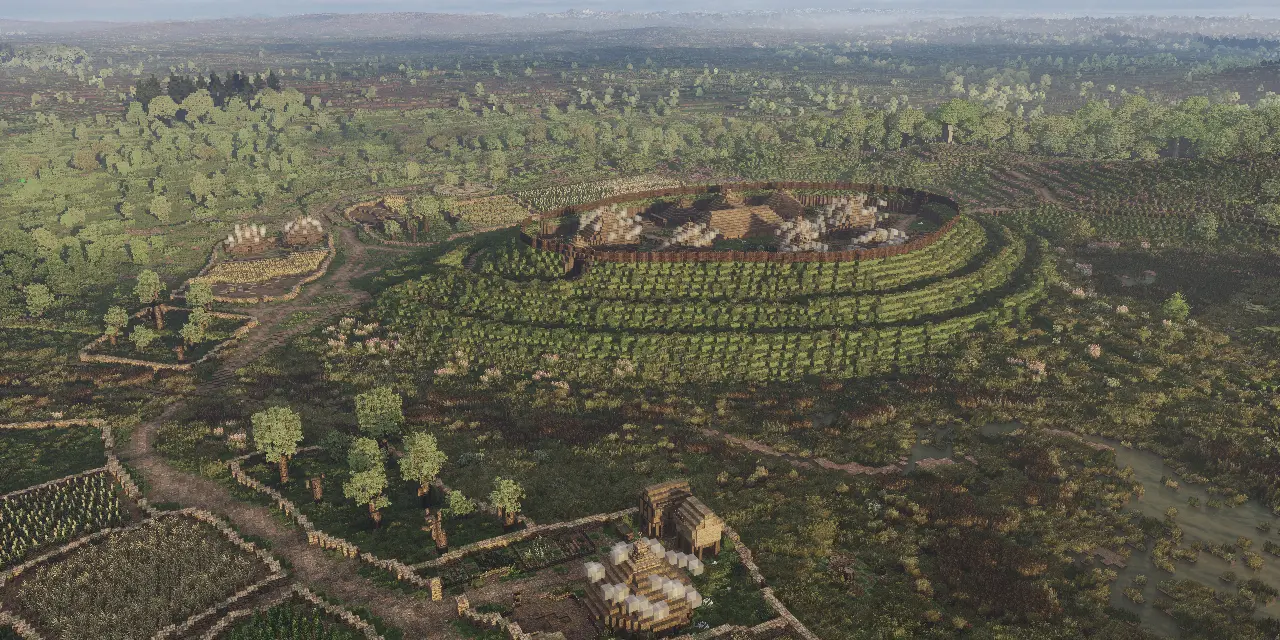
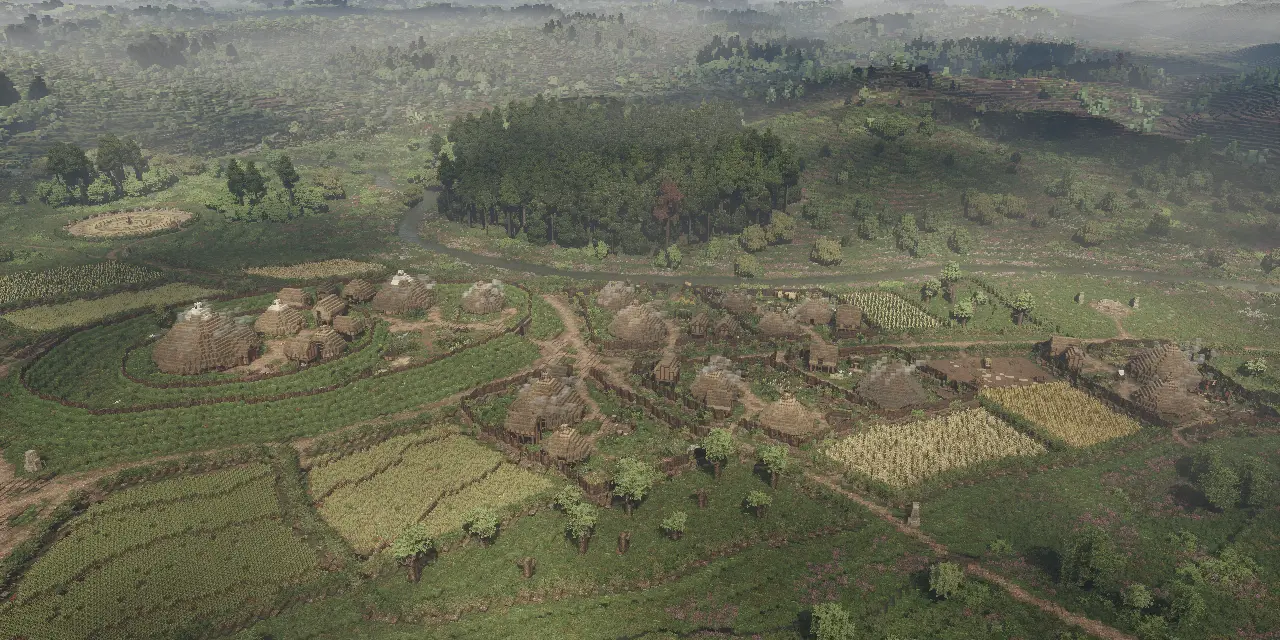
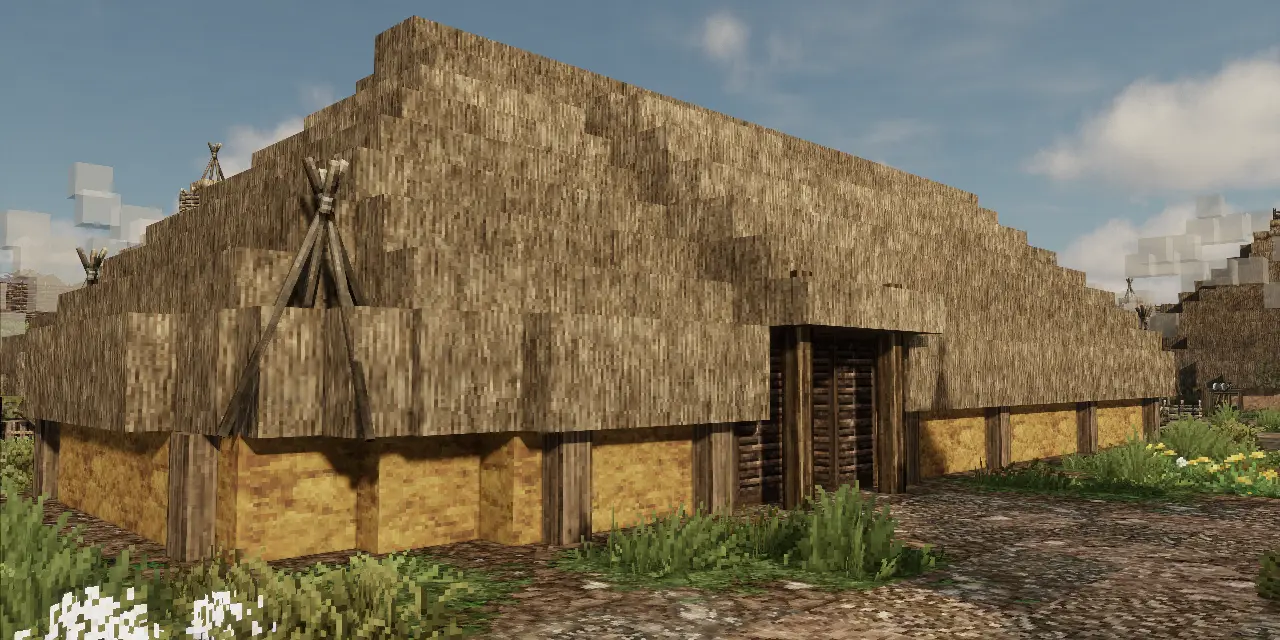
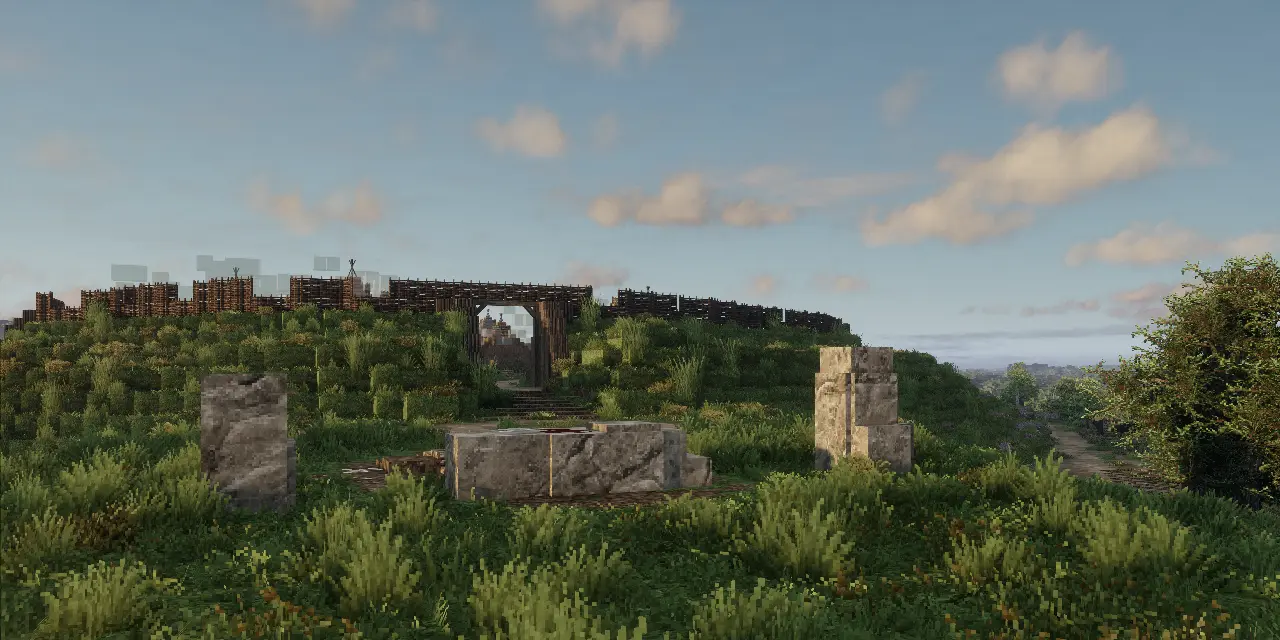
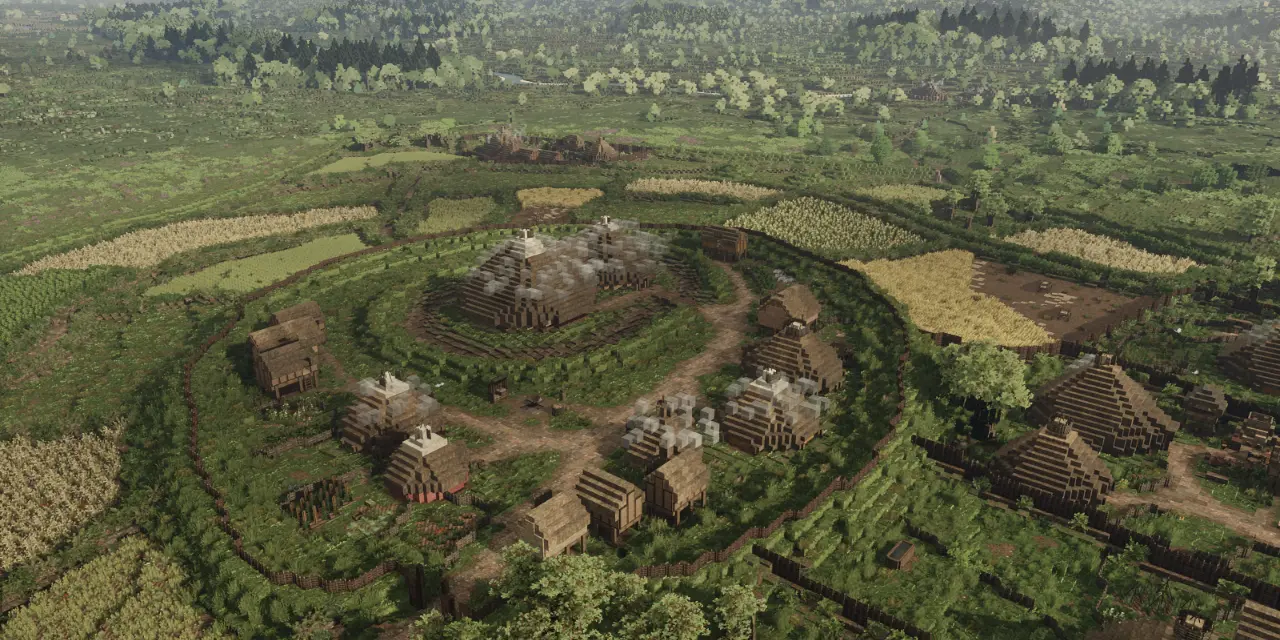
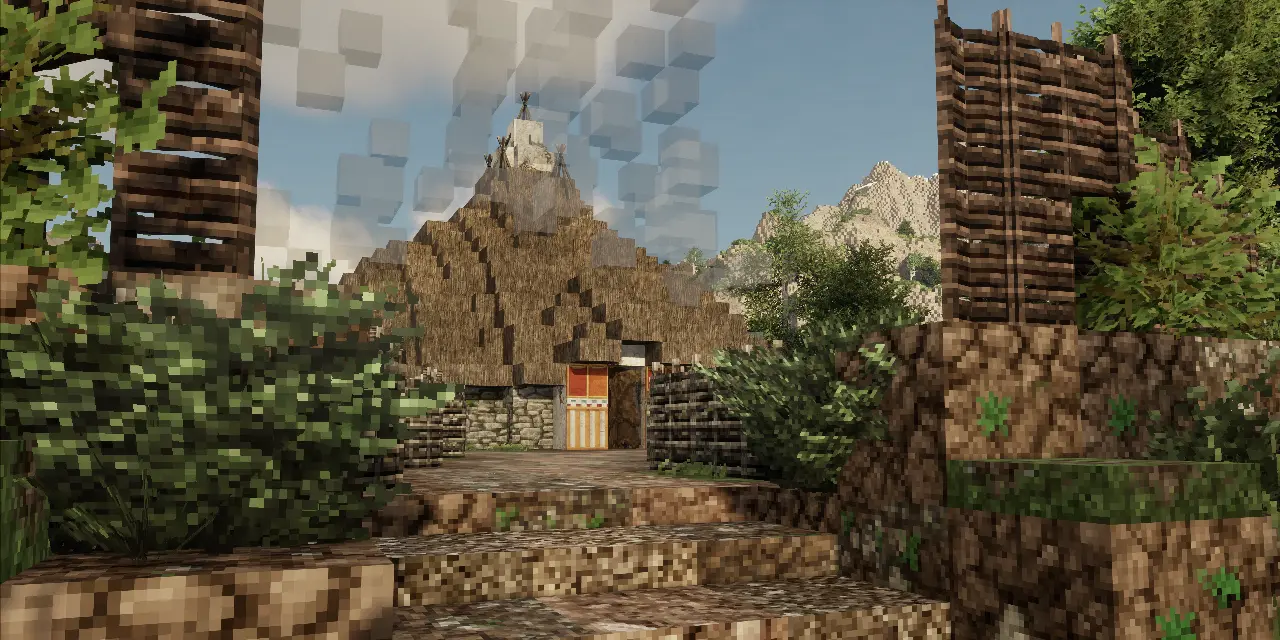
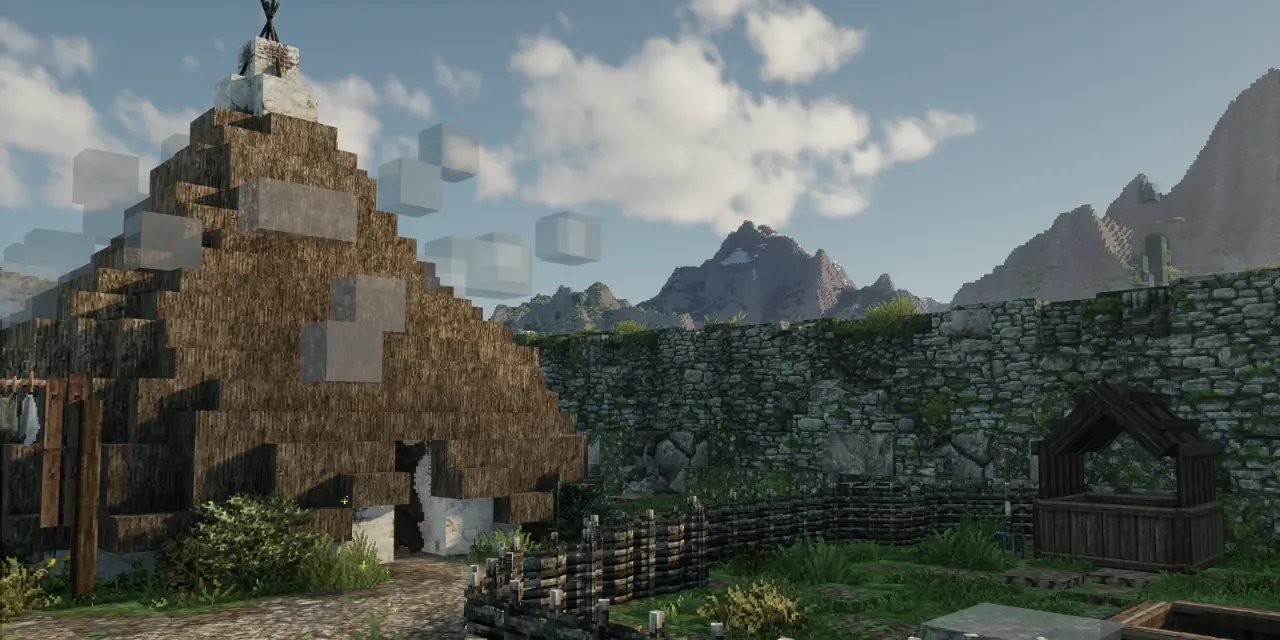
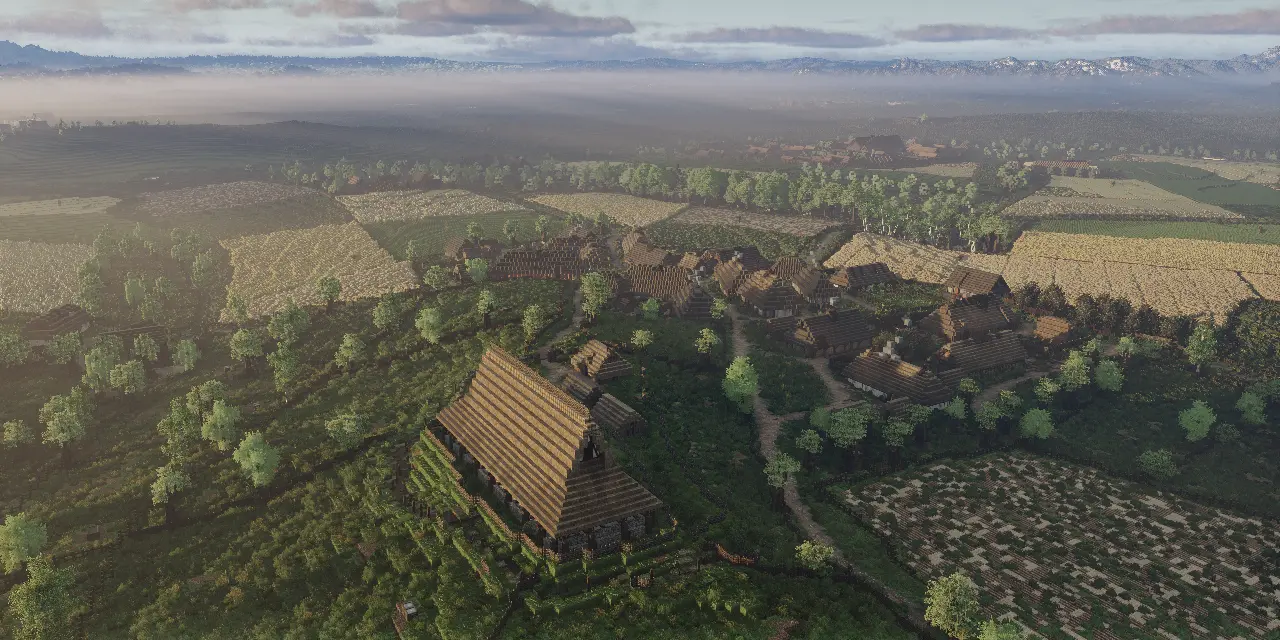
Dunlendic culture is somewhat primitive, featuring various tribes living out of small villages and homesteads. Most settlements consist of roundhouses surrounding a large central hut, where the locals gather for meetings and events. There is also some level of religion, with some tribes sacrificing items or animals to their gods. They are generally warlike, and have been taught to fear the Rohirrim, but are willing to fight them in defence of their homes.
Governance
There is no central control over Dunland, though the wizard Saruman has a high level of influence. Various tribes inhabit the region, each with their own leaders and customs.
Economy
Most settlements in Dunland are self-sufficient, though there is some trade between tribes. Many Dunlendings work for Saruman in Isengard, fuelling his industry. The economy remains primitive and agrarian, with some villages specialising in certain natural resources e.g. clay.