History
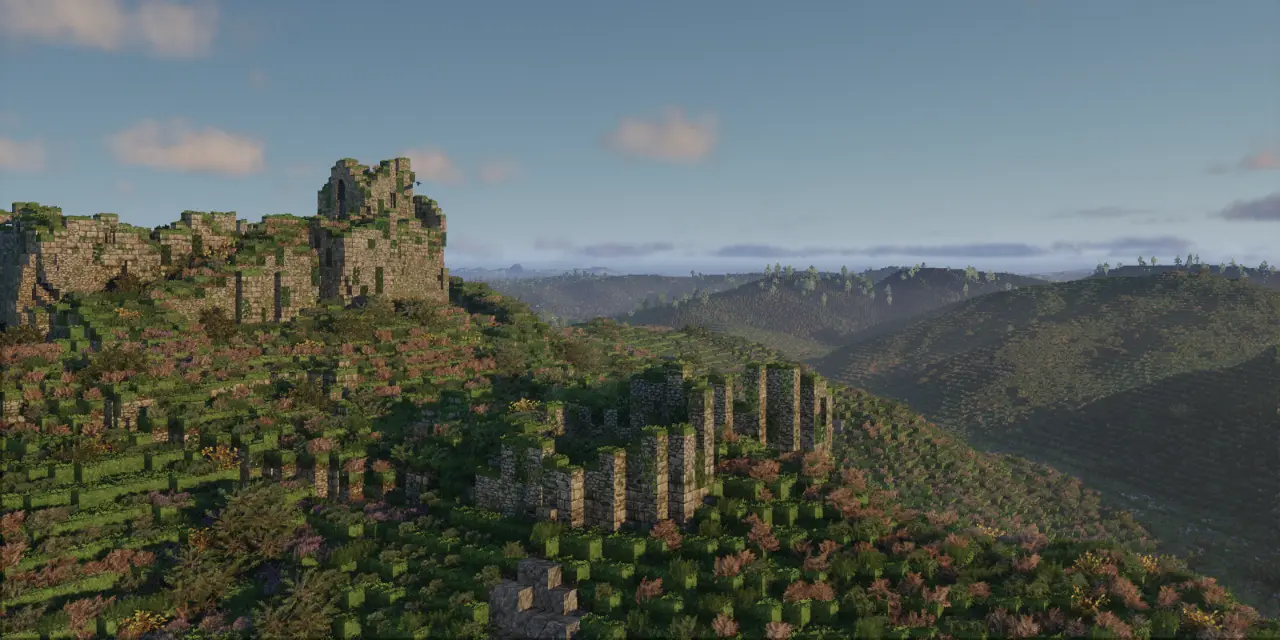
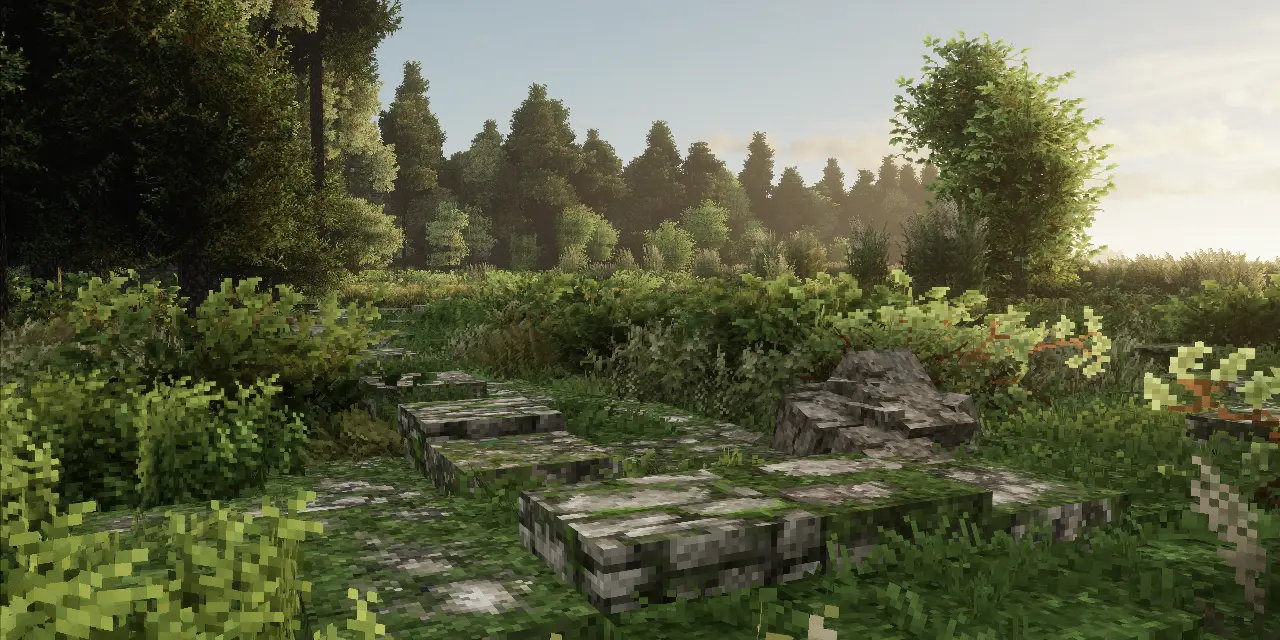
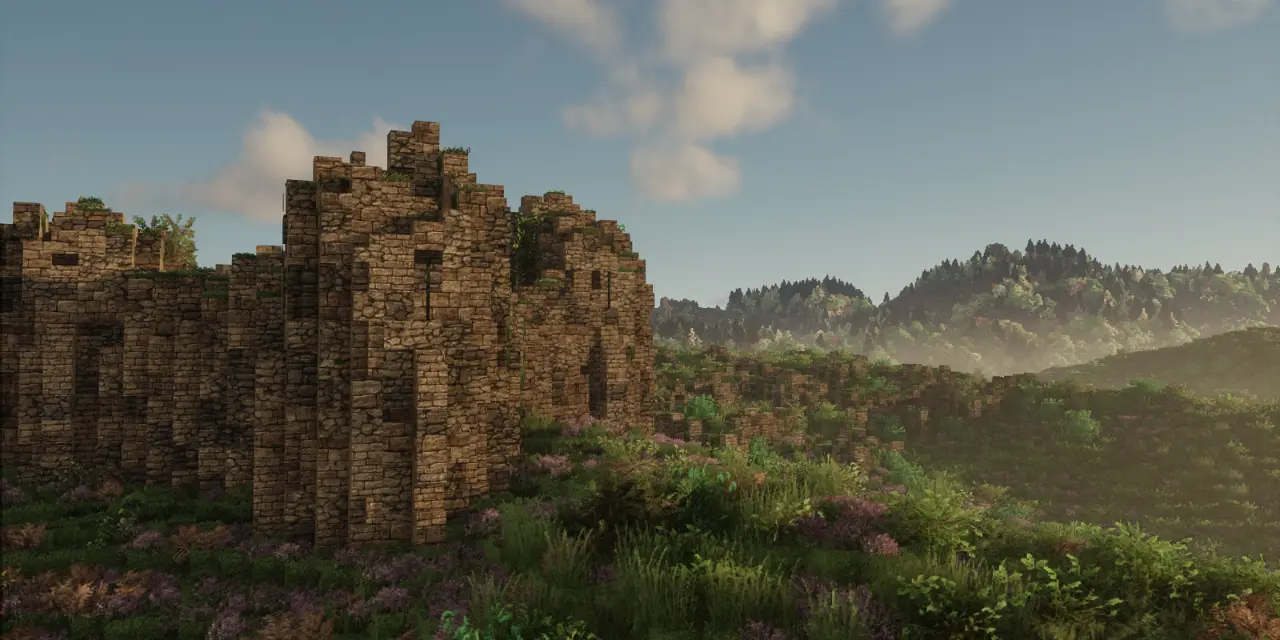
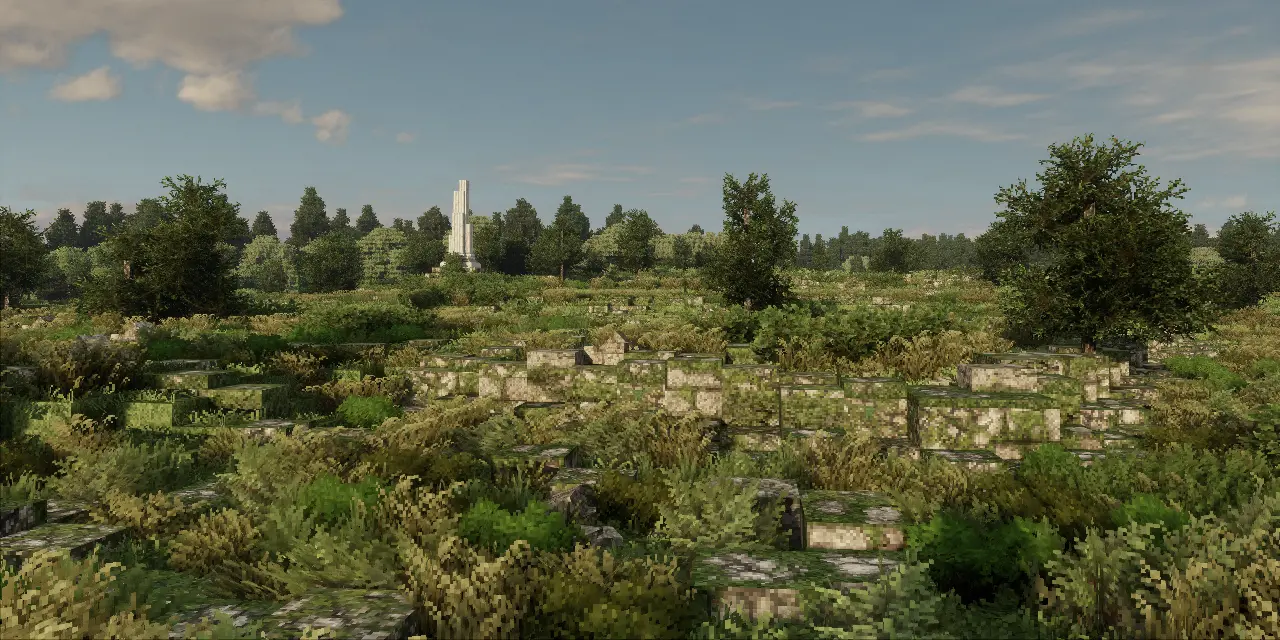
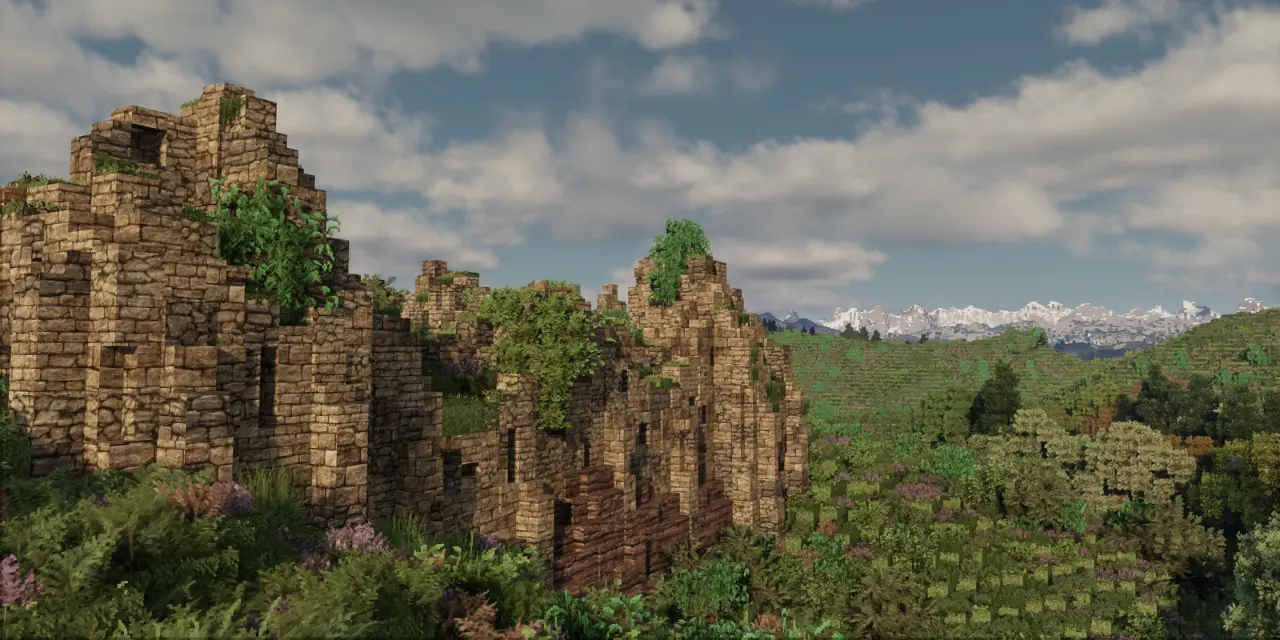
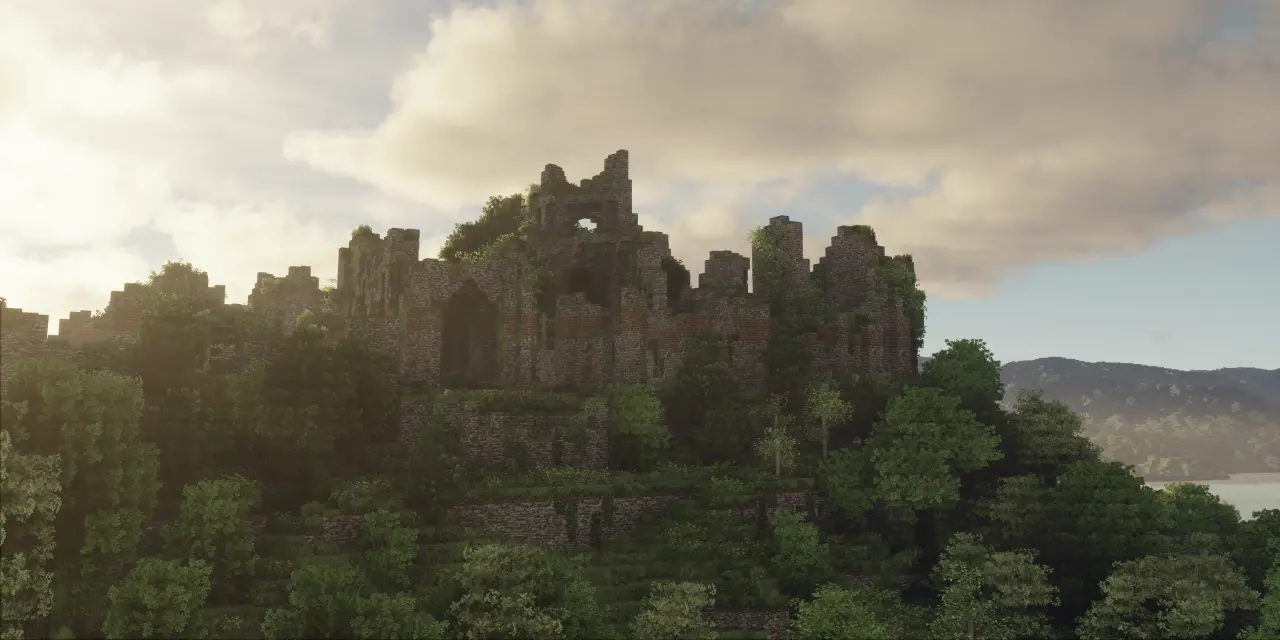
In the First Age, elves passed through Eriador on their way to Beleriand; they were followed by various houses of the Edain, of whom some remained in Eriador. Following the destruction of Beleriand at the end of that Age, the elves that did not travel to Valinor set up their own realms nearby; either across the Ered Luin in Lindon, or in the Eregion, in the south east of Eriador. Early in the age, men occupy the North Downs and Weather Hills, living alongside the elves in some cases. In around S.A. 600, Númenórean ships began to arrive on the shores of Middle-earth, including those of Eriador. They settle along the coasts and rivers, and begin to rapidly deforest the area, causing the native people to flee into the forested cape of Eryn Vorn. During the war between the Elves of Eregion and Sauron in S.A. 1693, southern Eriador was destroyed and deforested. The elves retreat to Imladris or across the Misty Mountains. After several more battles, Sauron is defeated, though much of Eriador is in ruins. In S.A. 3320, the Kingdom of Arnor was founded by Elendil, as one of the Realms in Exile, whose territory covered much of Eriador. Men from Arnor join the Last Alliance, as Sauron is vanquished at the end of the Age.
Eriador remains mostly under the control of Arnor for the first 861 years of the Third Age, until a succession crisis causes it to split into the kingdoms of Arthedain, Cardolan and Rhudaur. The three kingdoms often fought, especially in the contested area around Weathertop and Amon Sûl, with Arthedain slowly overcoming the other two states. Around T.A. 1050, Hobbits first come over the Misty Mountains into Eriador. In the 14th Century, the evil realm of Angmar is founded by the Witch-king, and makes war against the kingdoms of men in Eriador. Over the following centuries, they are eventually worn down, and much of the land is ruined. In the 17th Century, Hobbits from the Vale of Anduin, who had first settled in Bree, are given permission to settle in the Shire in T.A. 1601 by the king of Arthedain. Thirty years later, the Great Plague comes up from the south and devastates what remains of the men of the region. The remnants of Arnor were finally destroyed in T.A. 1974, with the death of King Arvedui and the destruction of Fornost, but not after that of Angmar. Dúnedain refugees flee to the Angle and live there in secret. For the next thousand years, Eriador is relatively untouched by events happening elsewhere; the hobbits live peacefully in the Shire, and the men of Bree-land continue to exist under the watchful eye of the Rangers of the North. In T.A. 2740, Orcs from the Misty Mountains resume their attacks on Eriador, including an invasion of the Shire seven years later. The Long Winter of T.A. 2758 causes much hardship in the region, and flooding finally precipitates the abandonment of Tharbad.
Geography
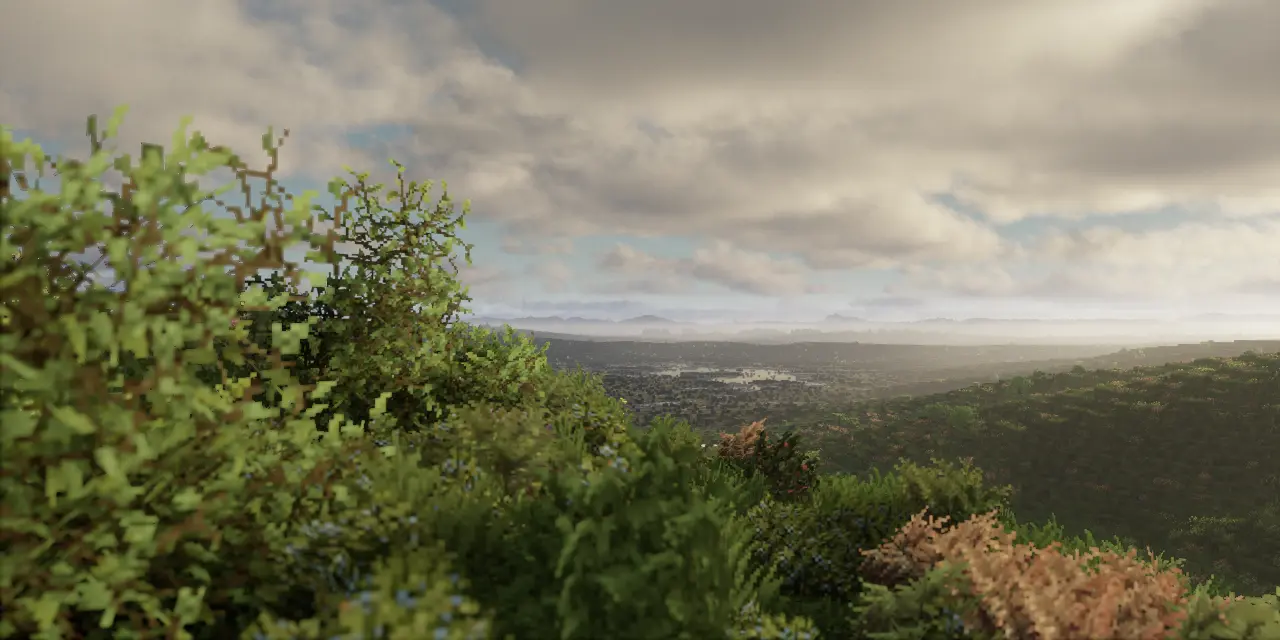
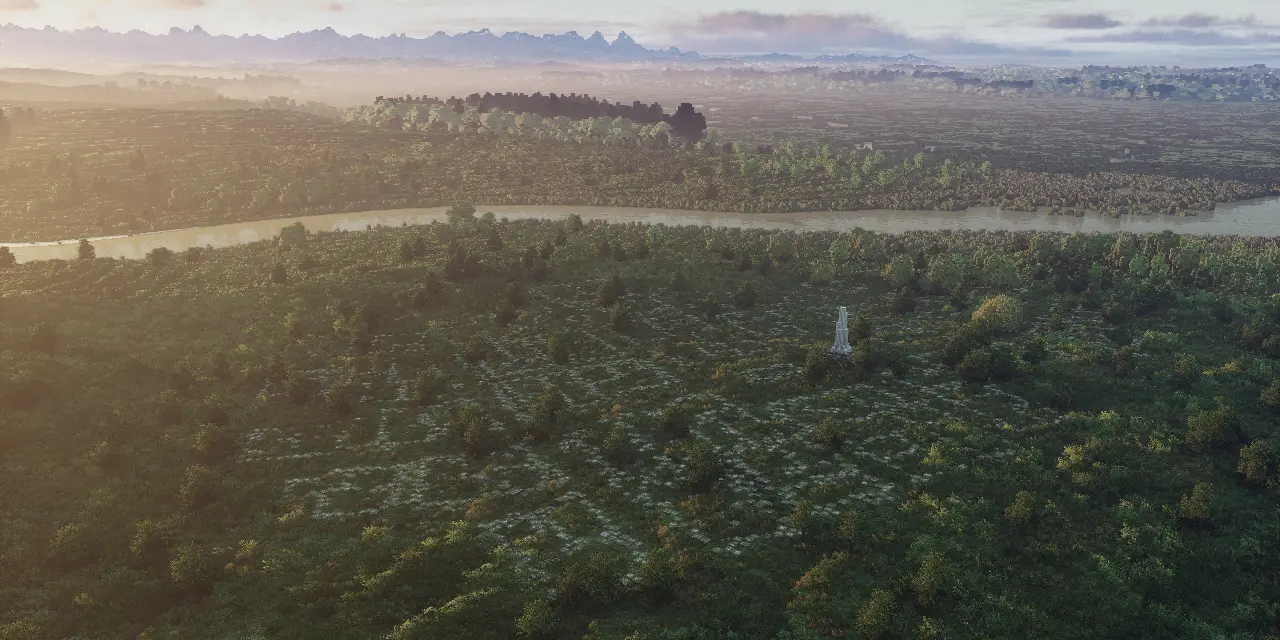
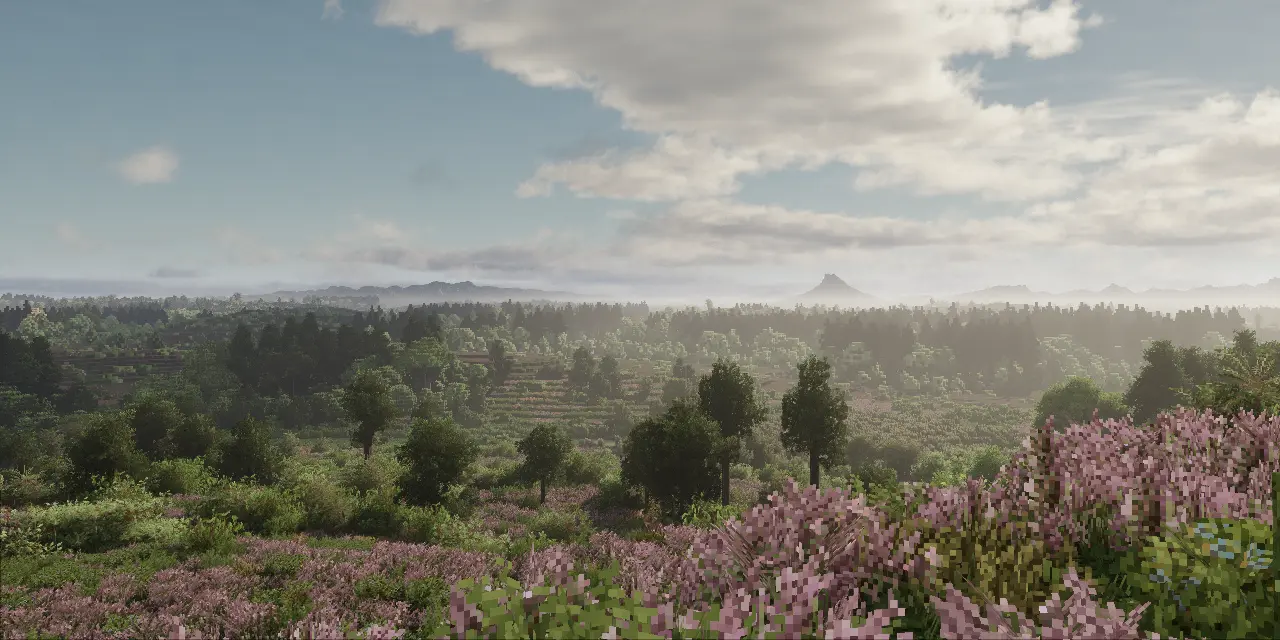
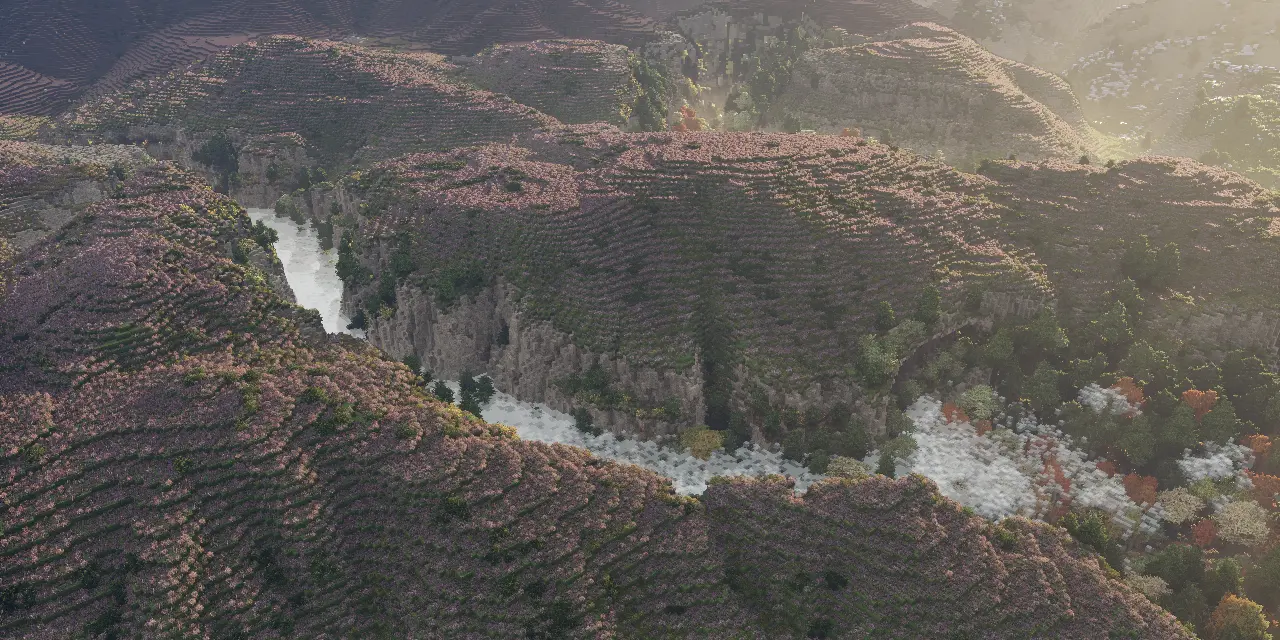
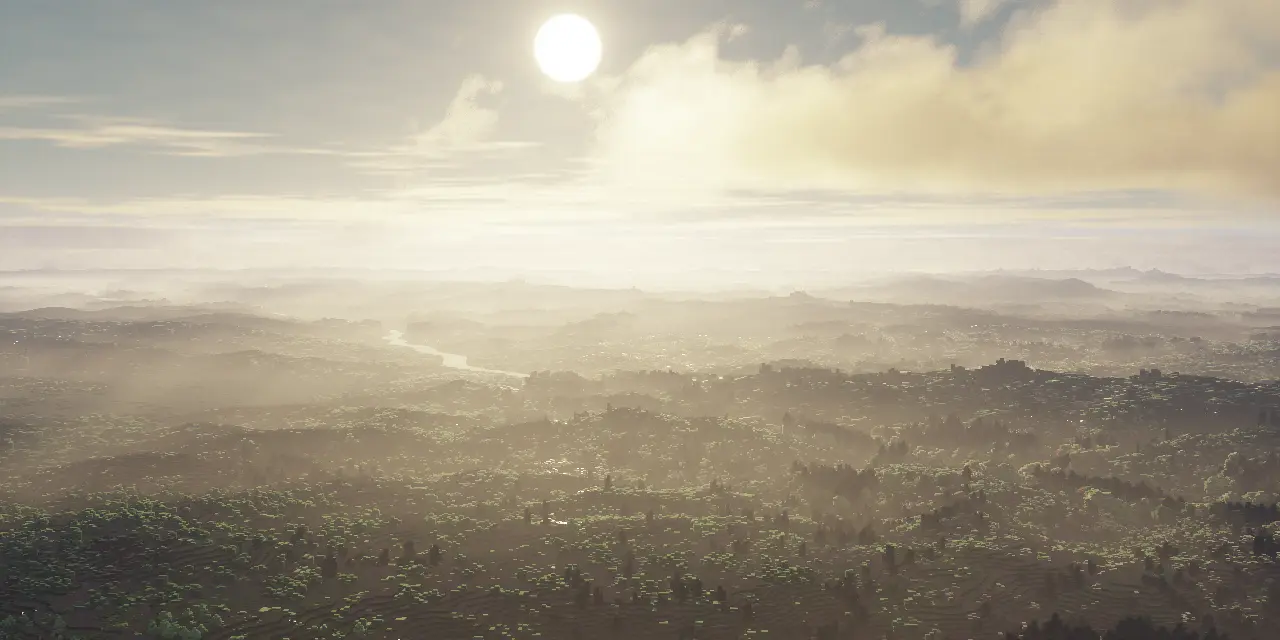
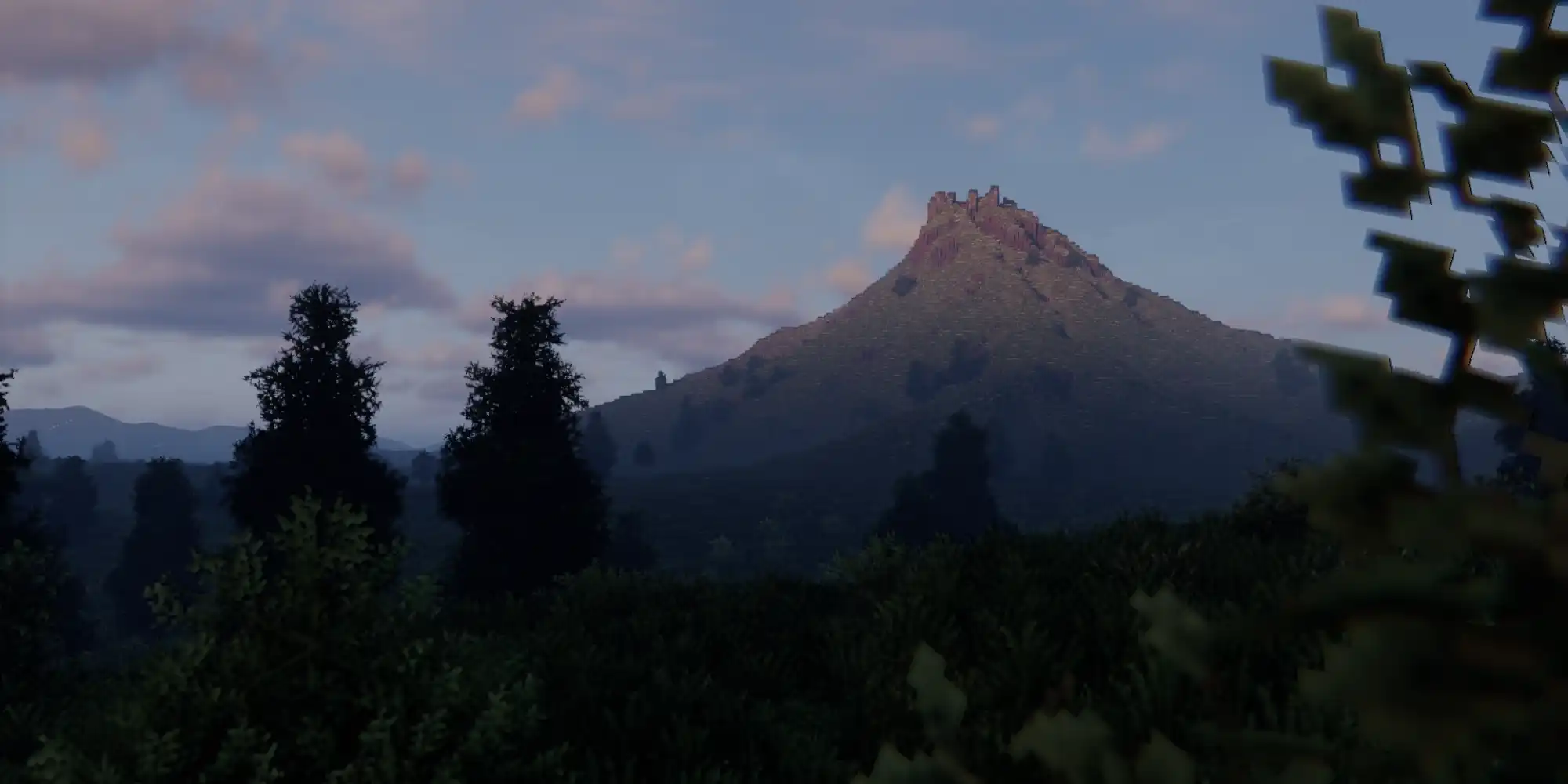
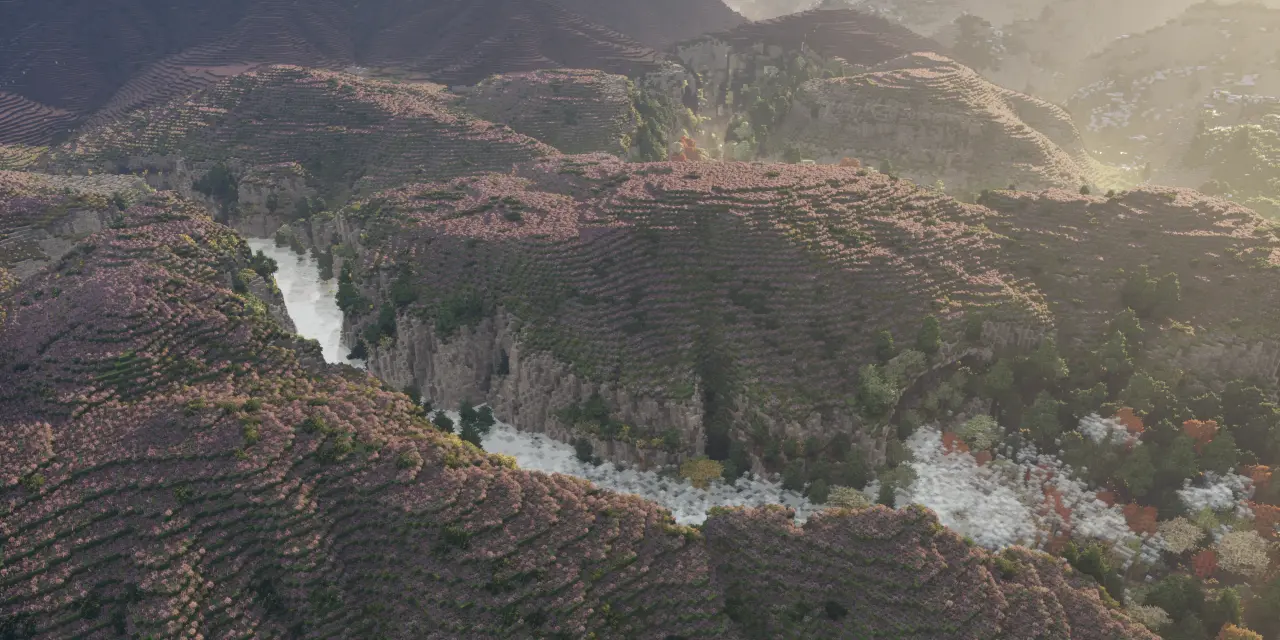
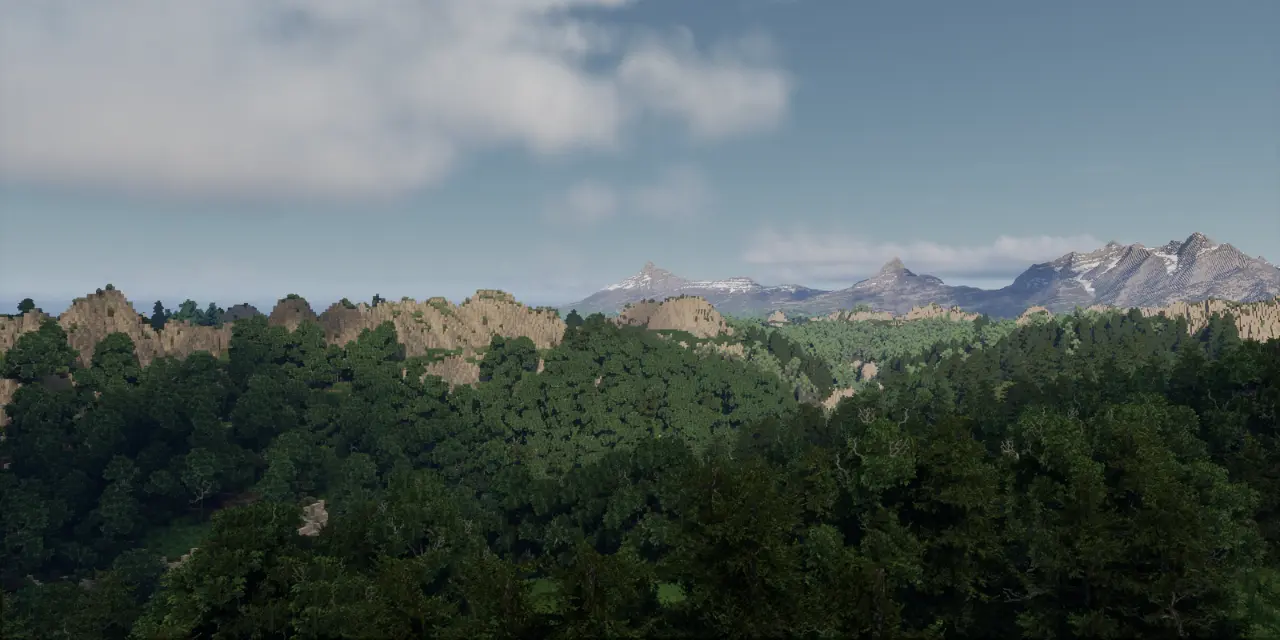
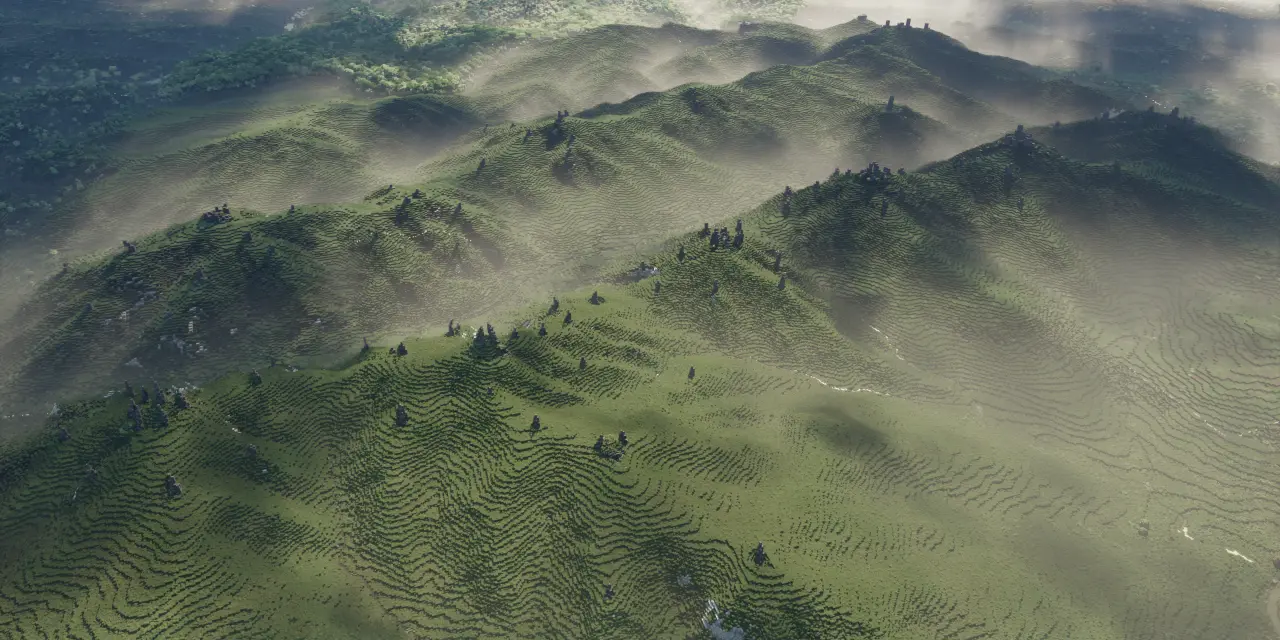
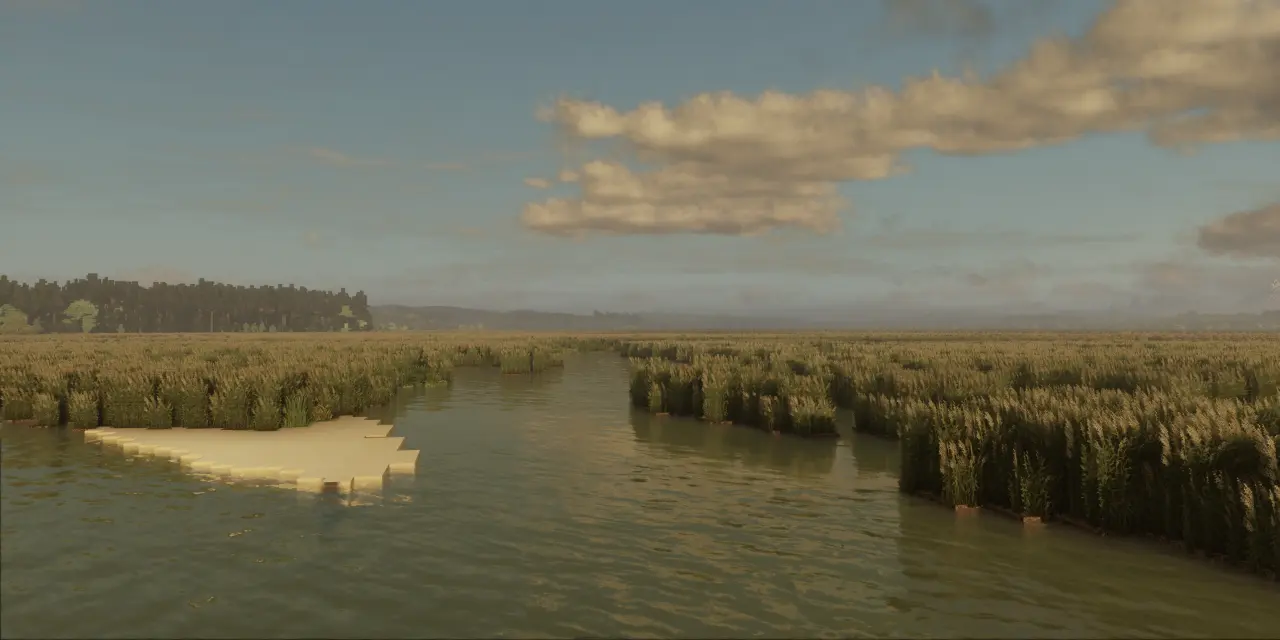
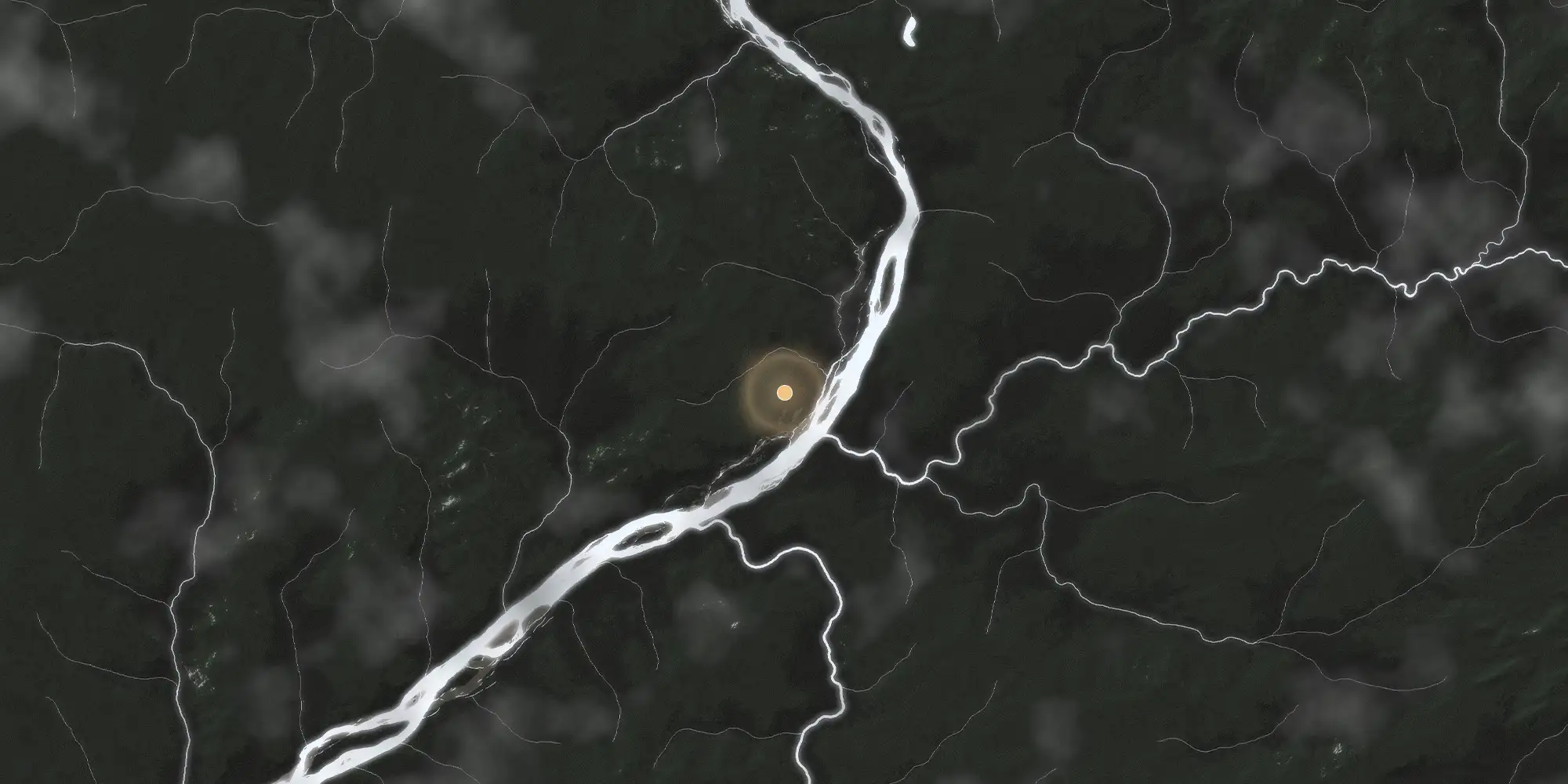
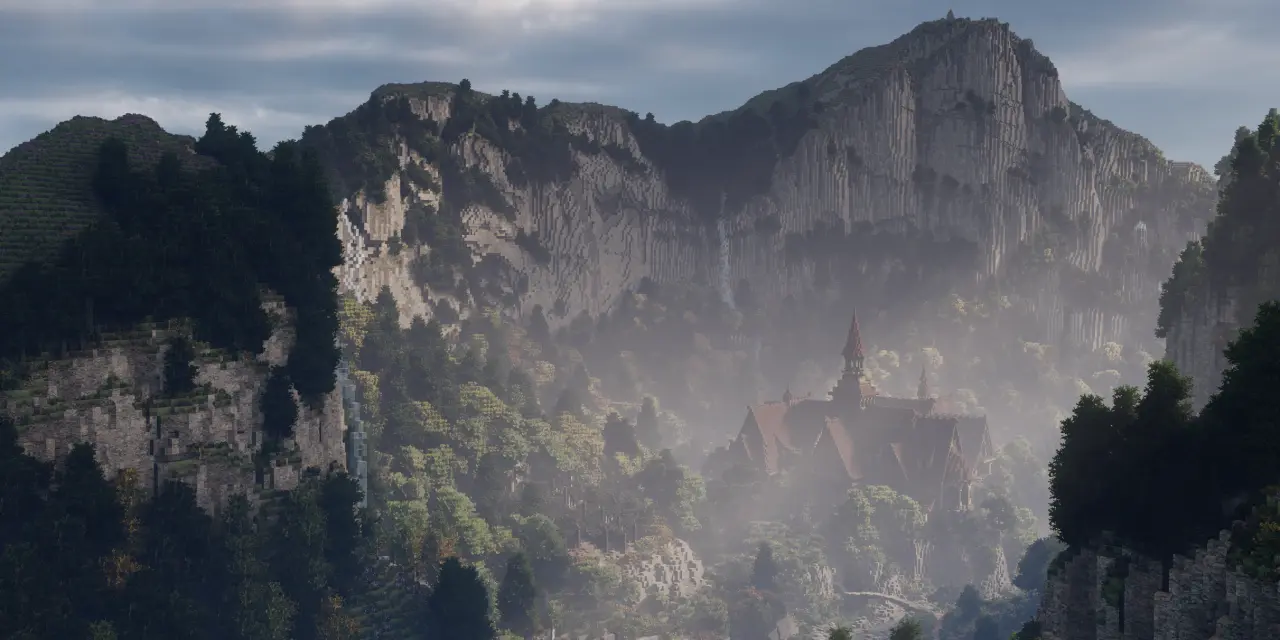
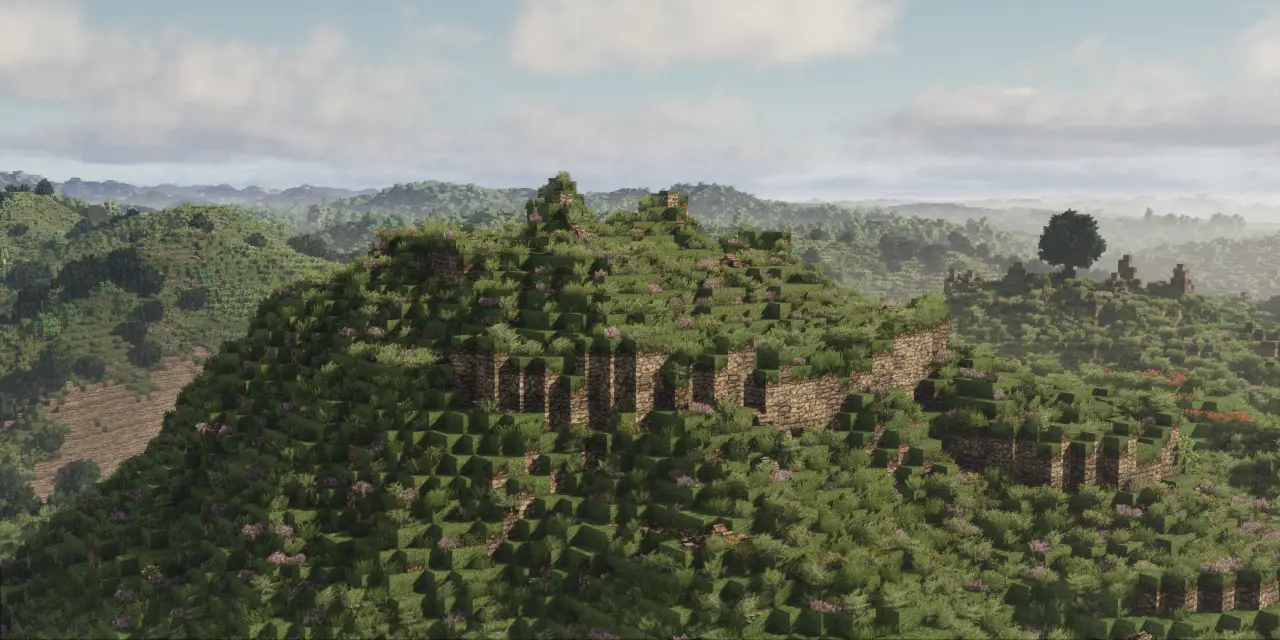
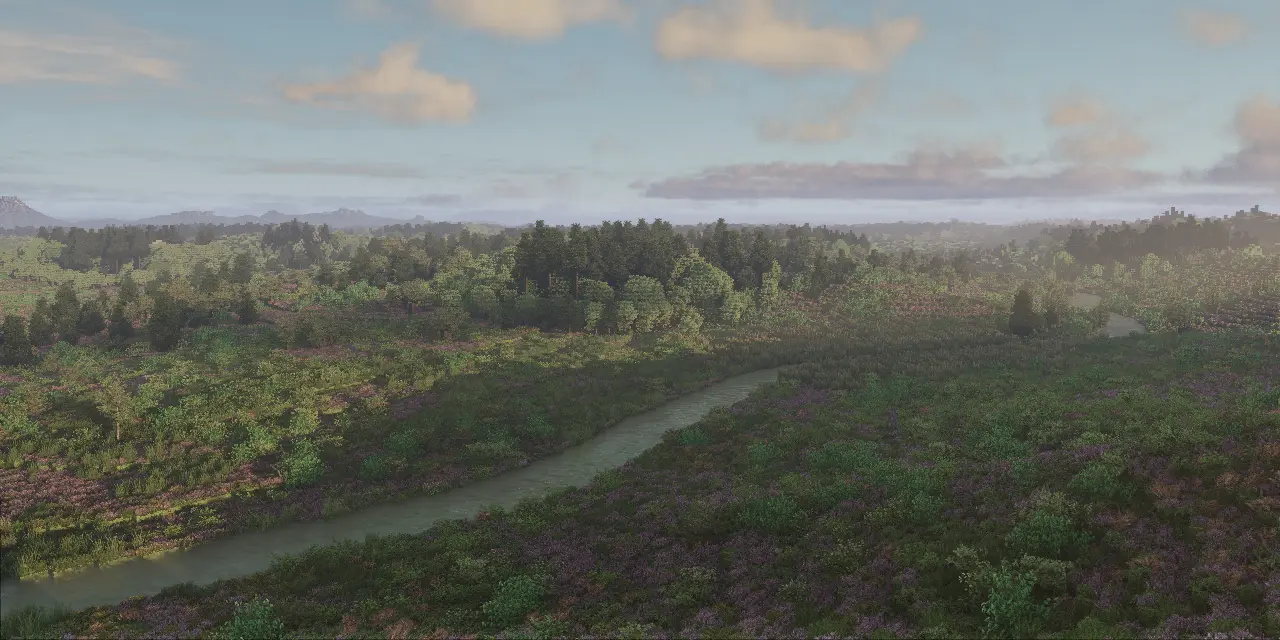
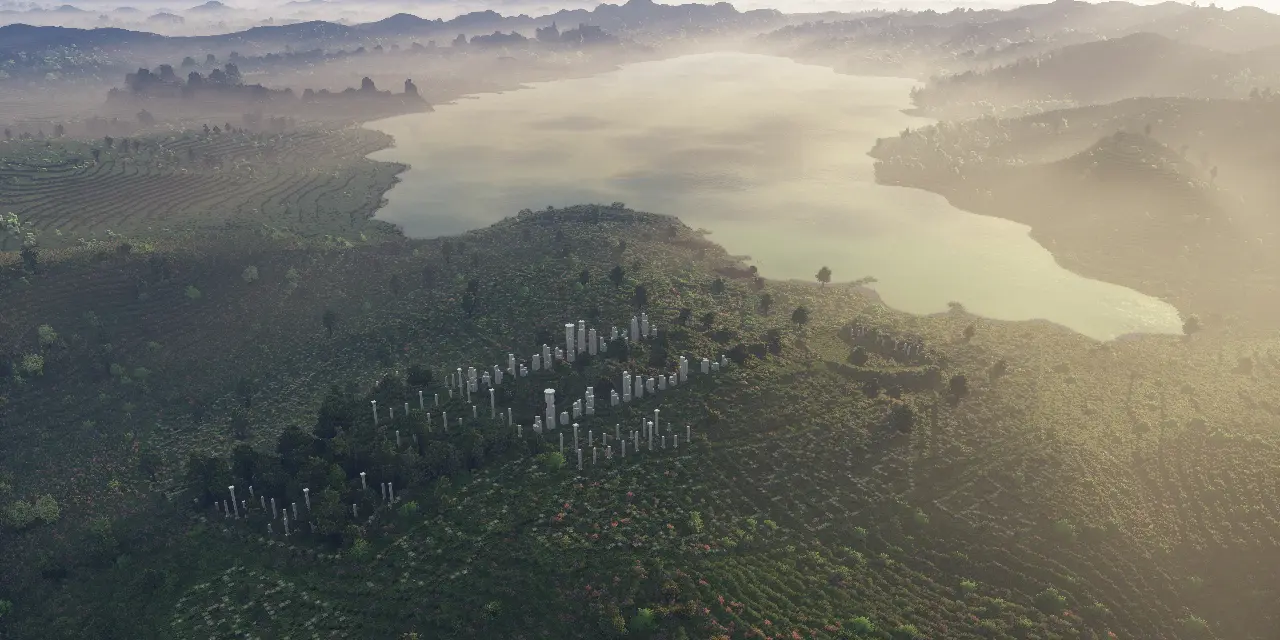
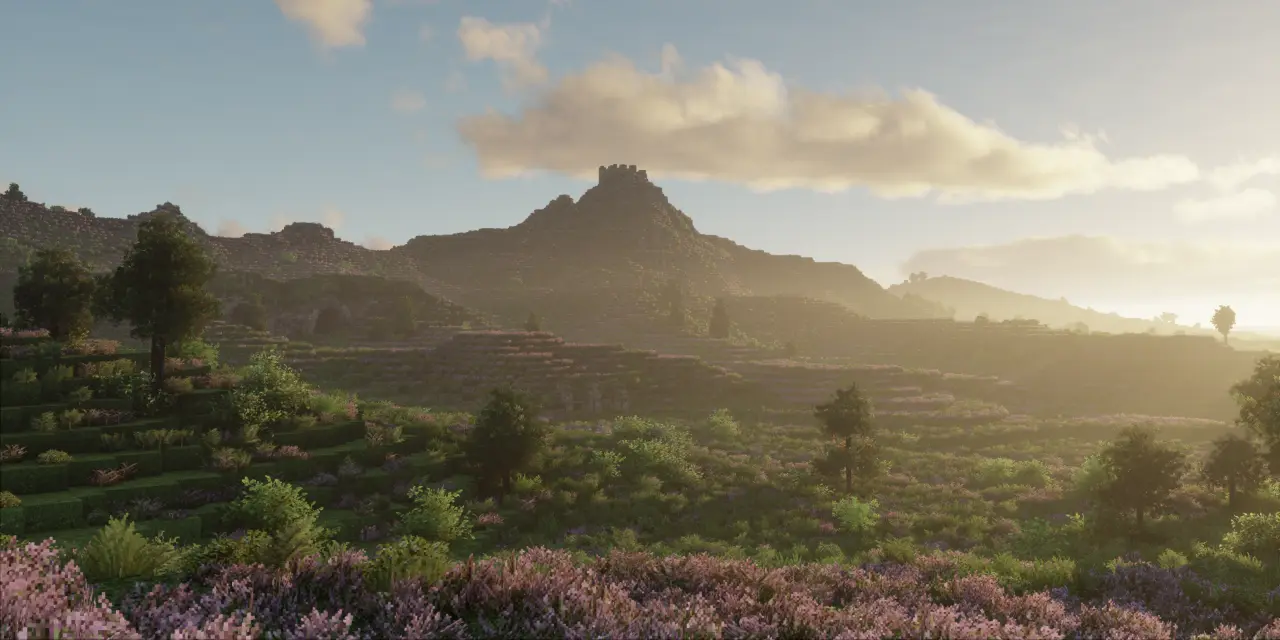
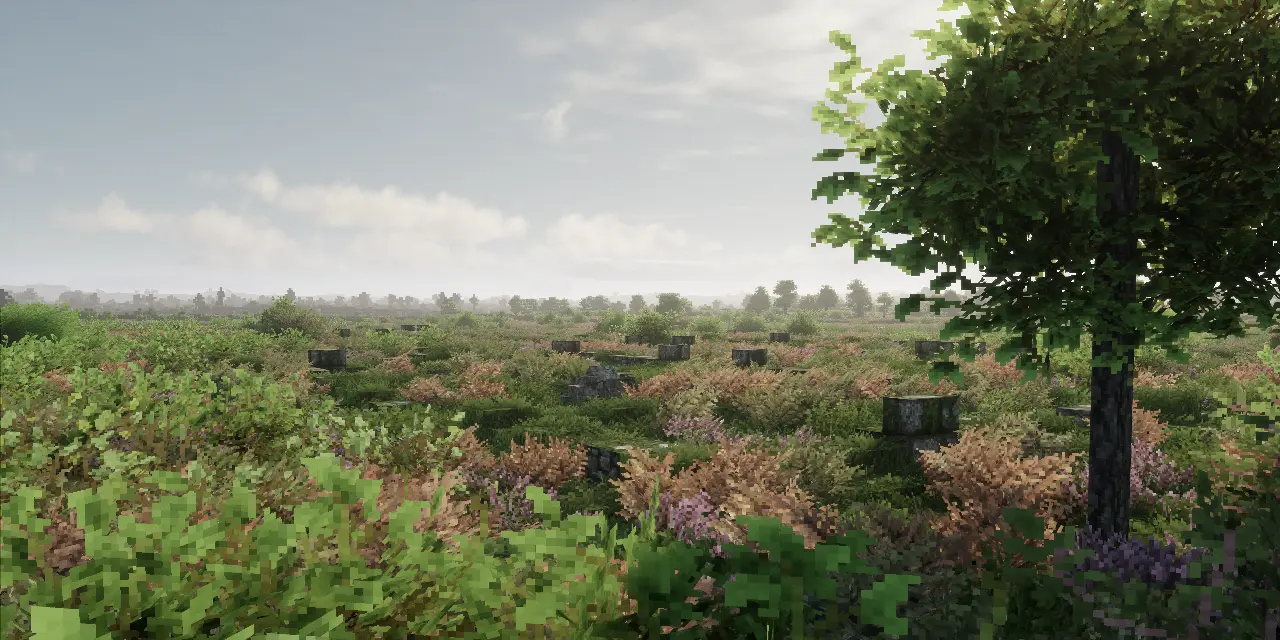
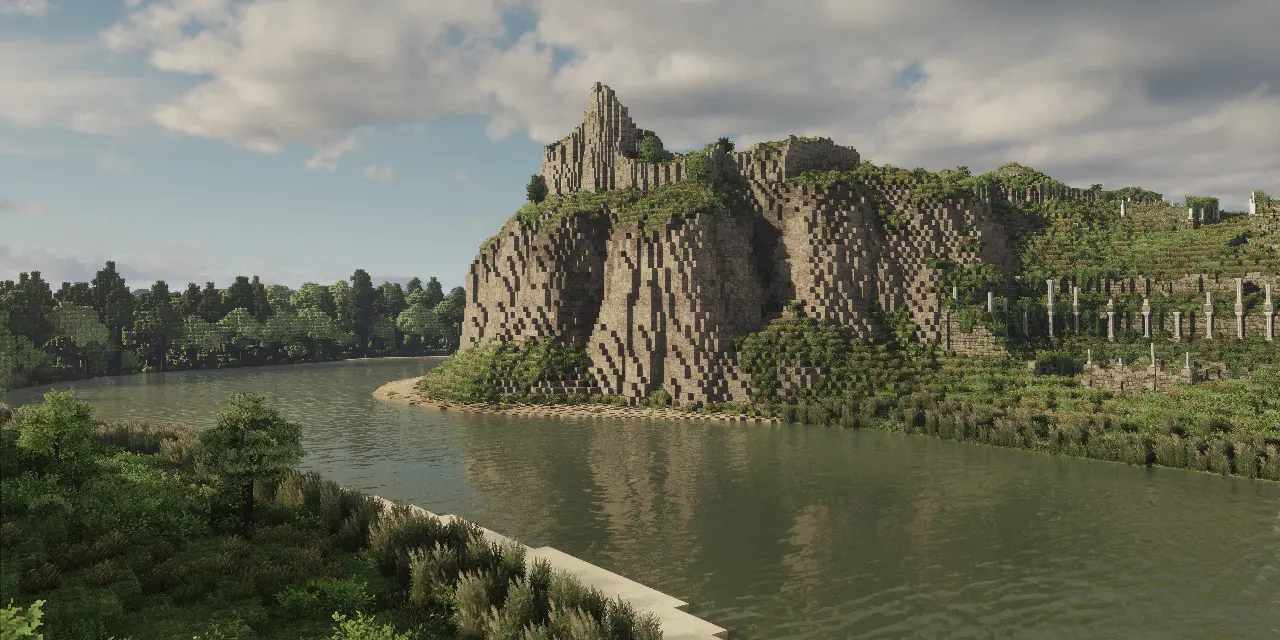
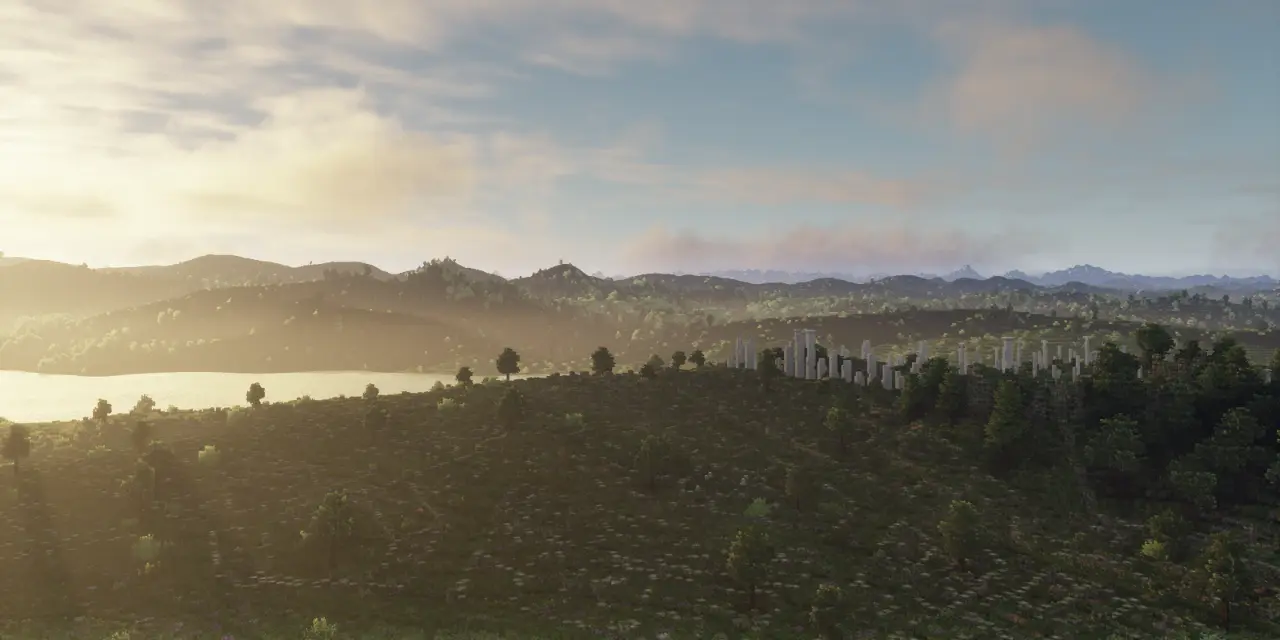
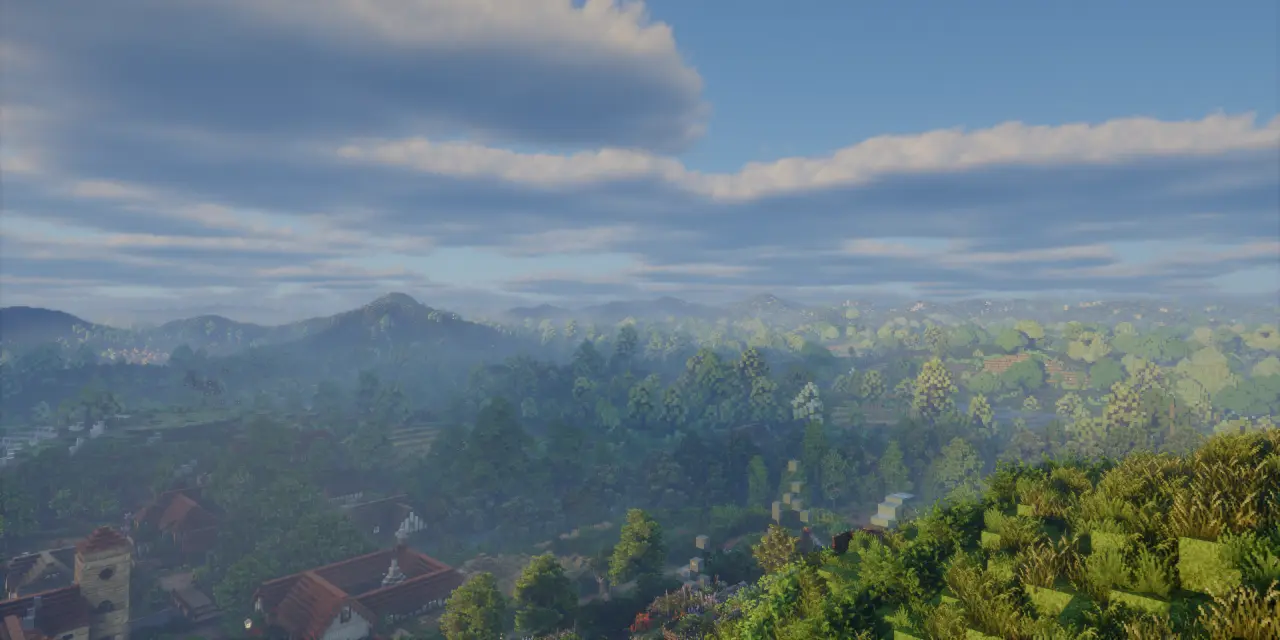
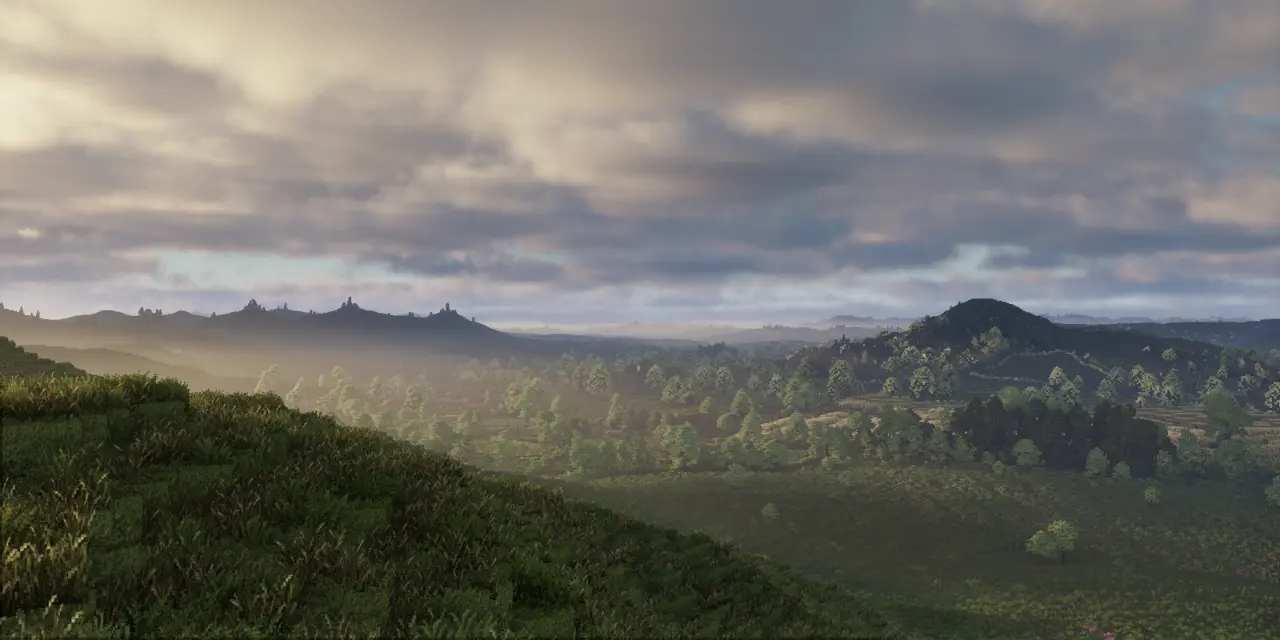
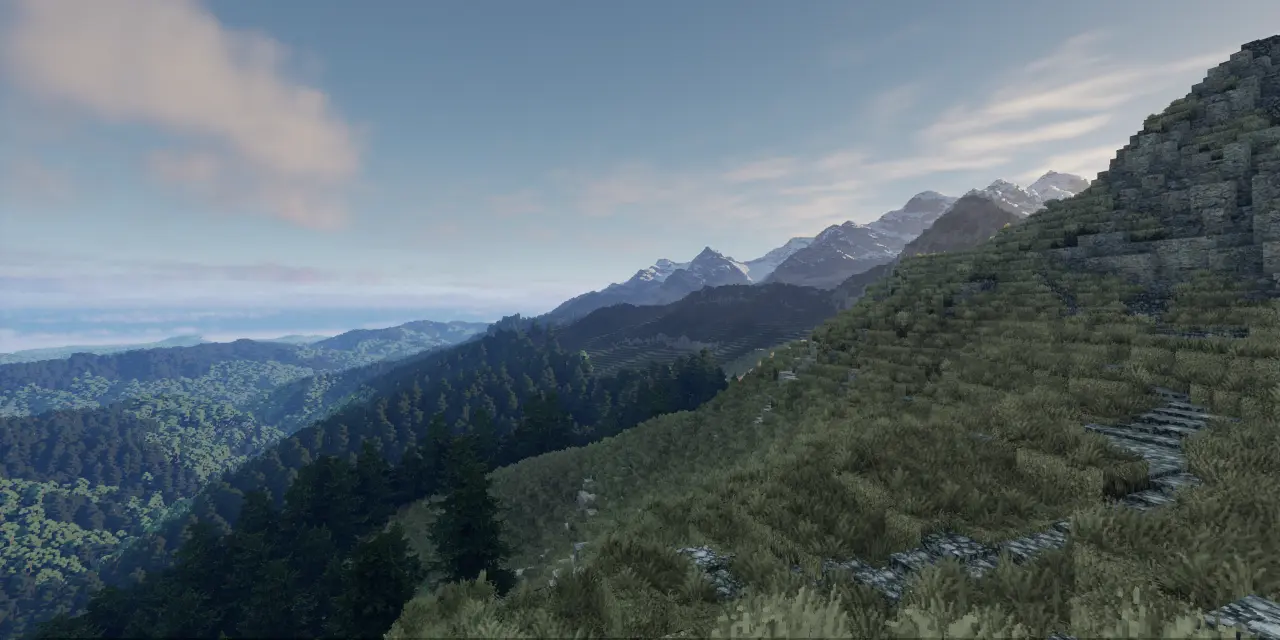
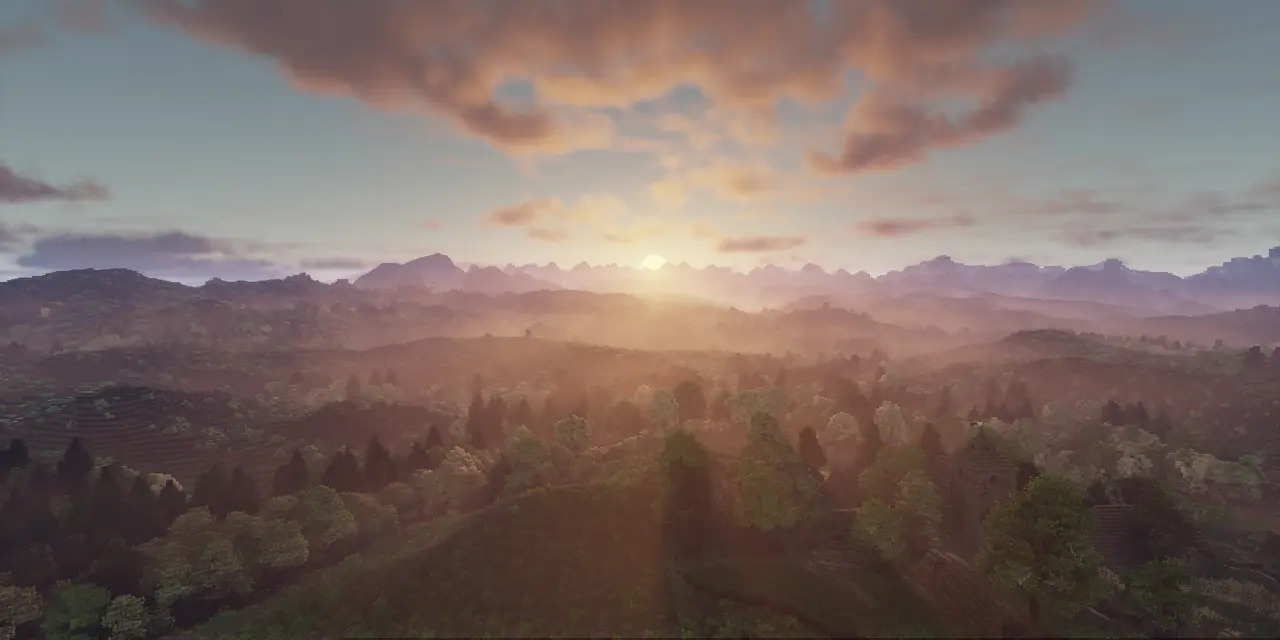
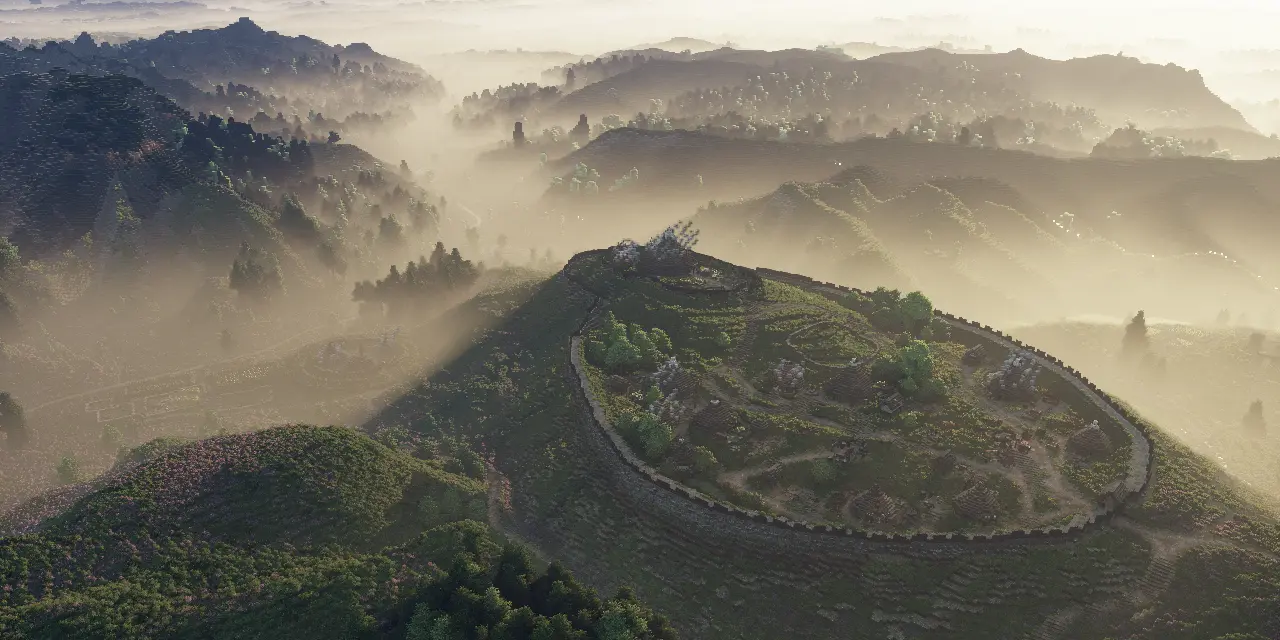
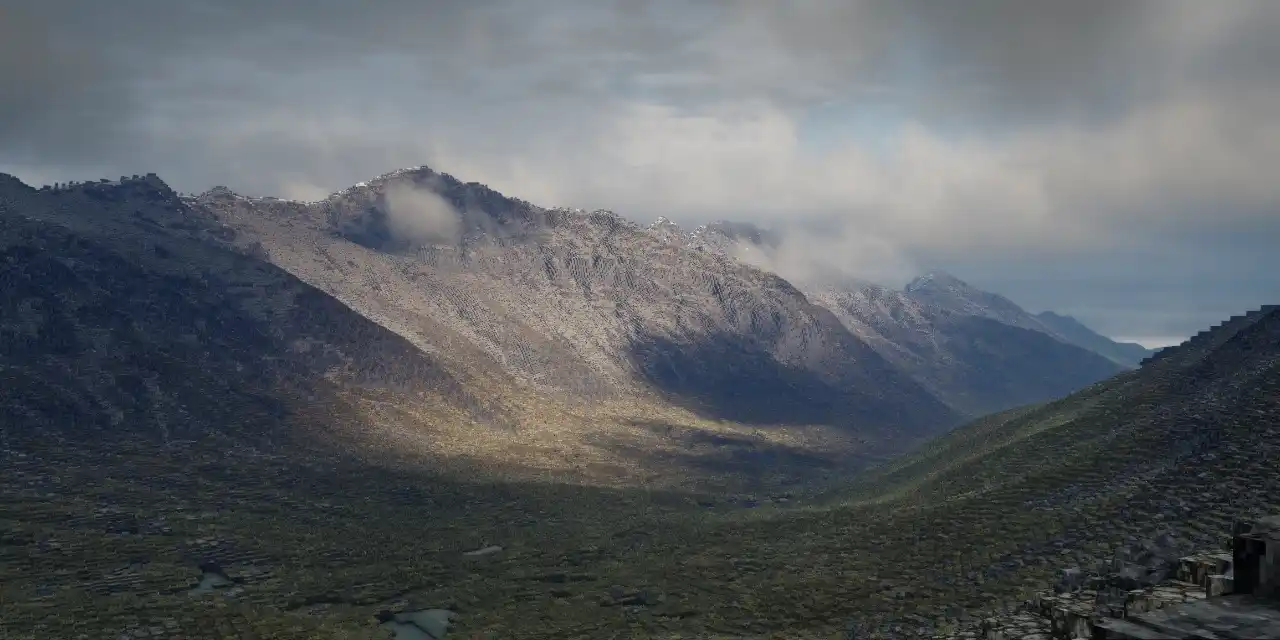
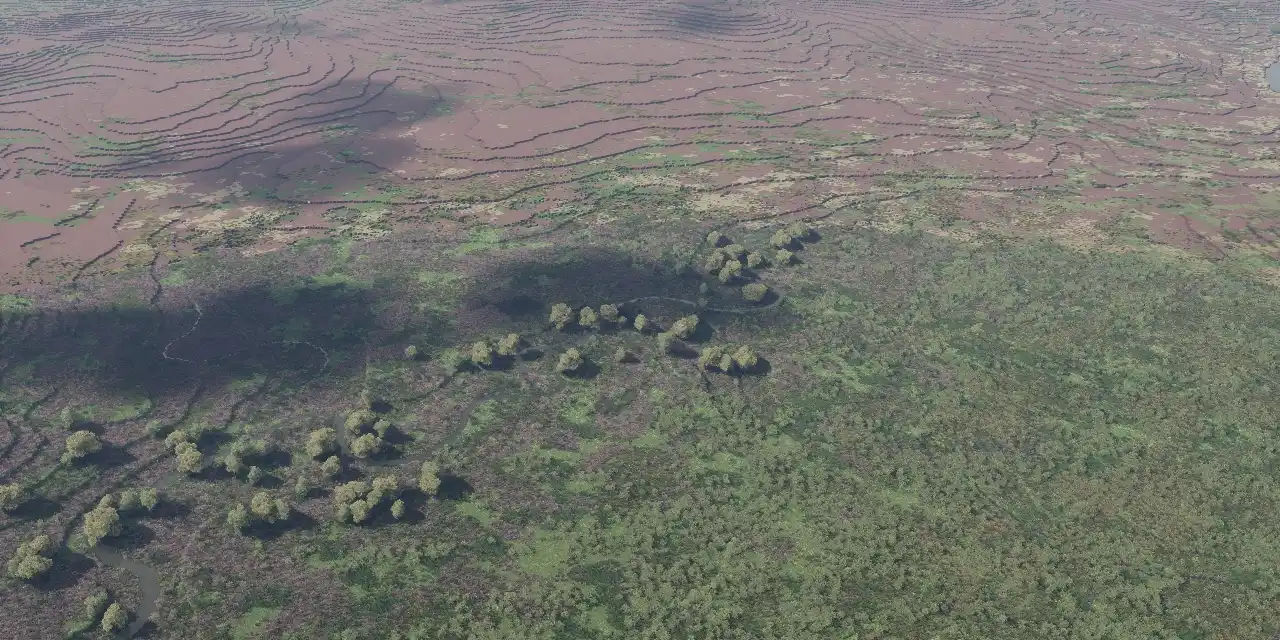
Eriador is a large region, bordered by mountains and water. To the east lie the Misty Mountains, the western arm of which, the Mountains of Angmar, penetrates the northern part of Eriador. To the west are the Ered Luin, their chain of peaks broken by the Gulf of Lune around halfway along their length. The southern border with Enedwaith is formed by the rivers Gwathló and Bruinen, marking the southernmost extent of the former kingdom of Arnor. In the far north, Eriador borders the Icebay of Forochel, and Forodwaith. The region itself is desolate, with only sparse pockets of inhabited land. The landscape is generally featureless, with occasional areas of higher land, such as the Weather Hills and North Downs, as well as marshes in some areas. Lake Evendim is the largest body of water within the region, located roughly in the centre.
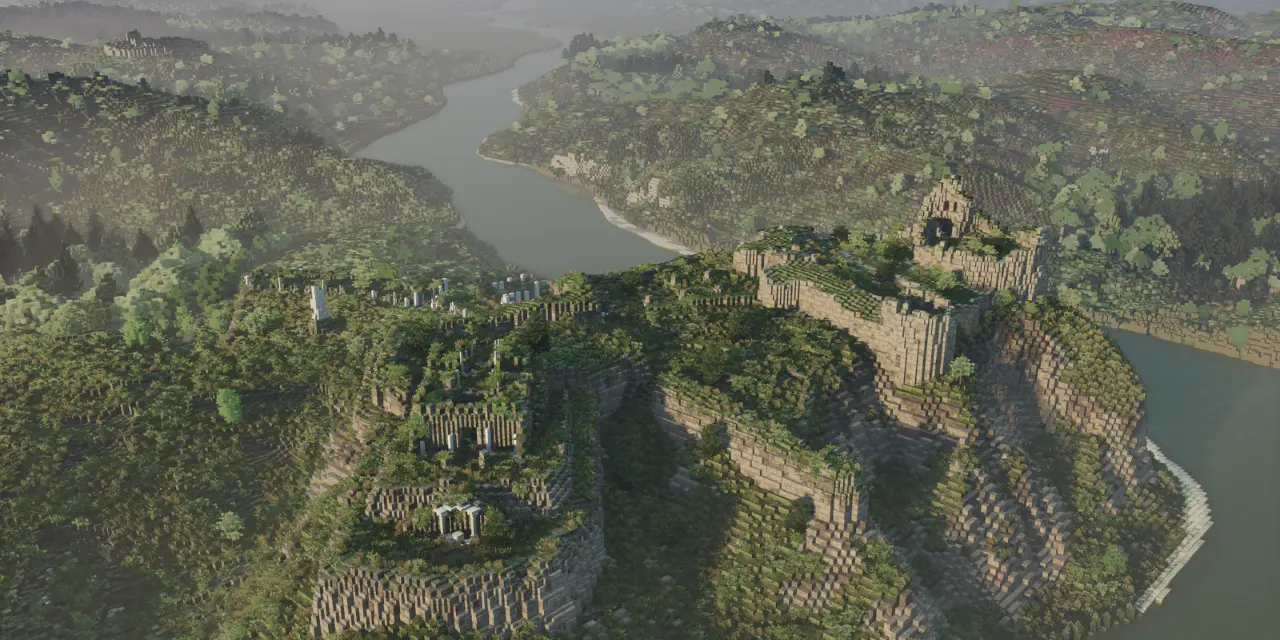
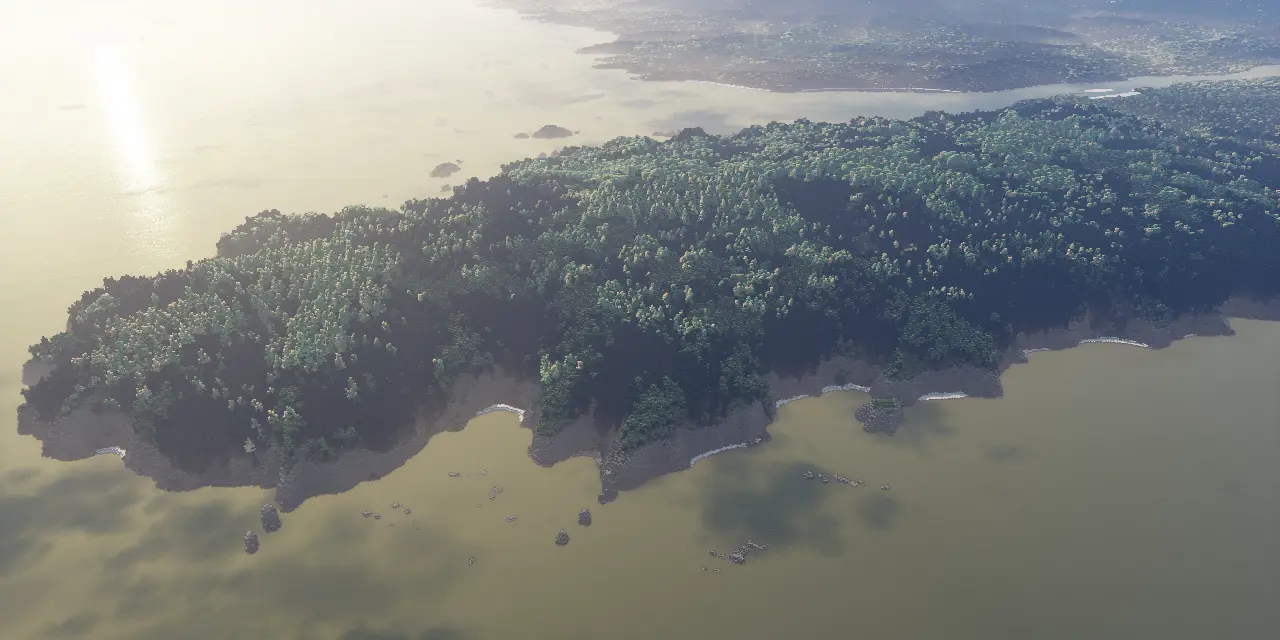
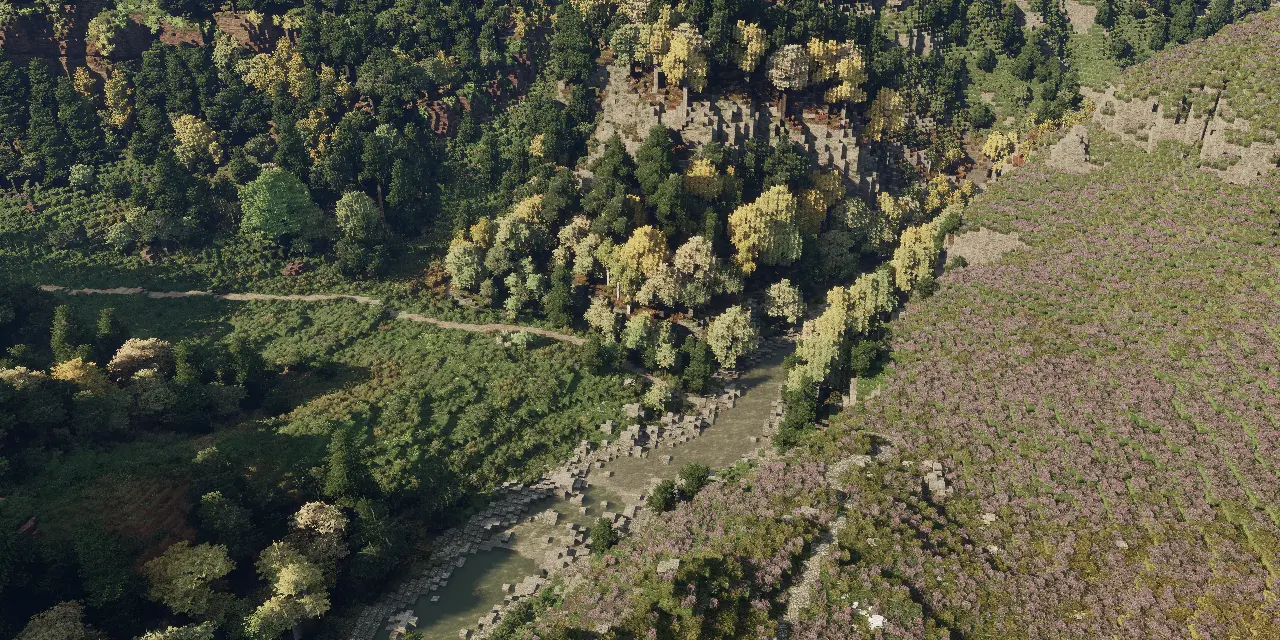
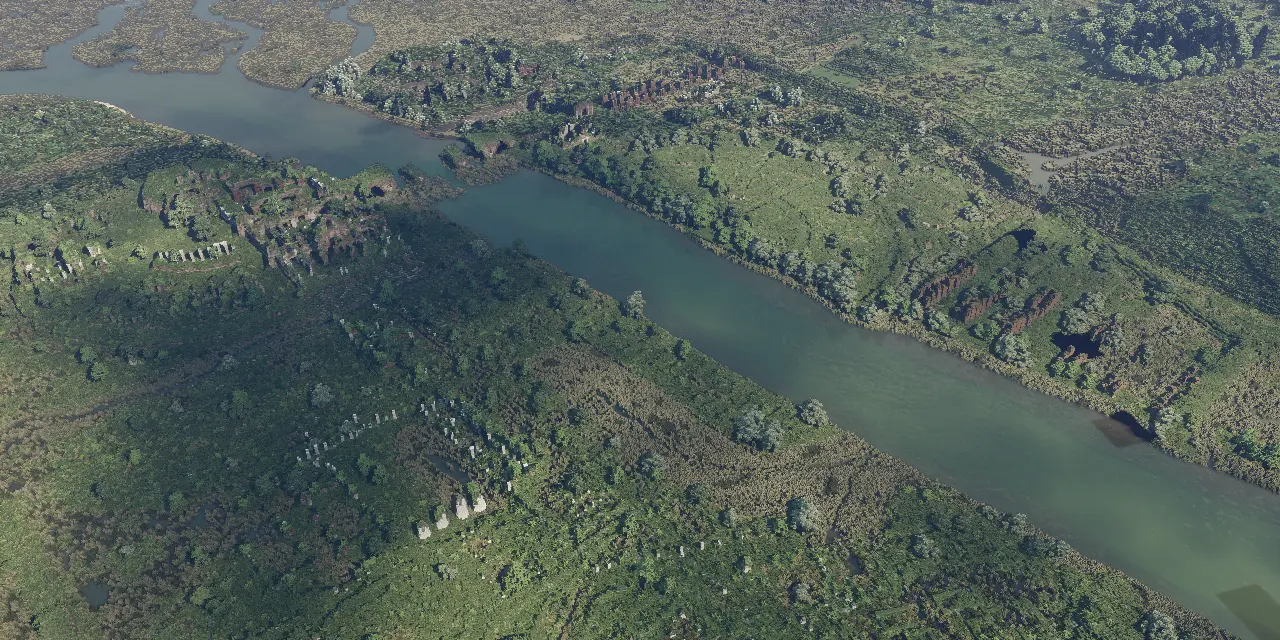
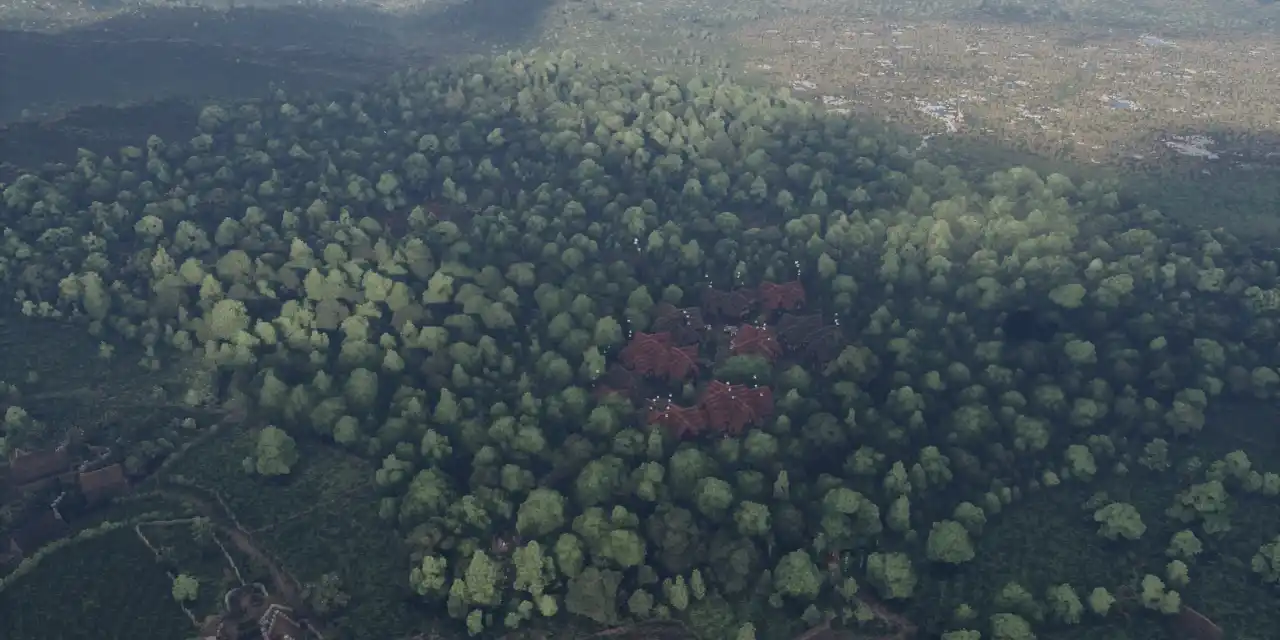
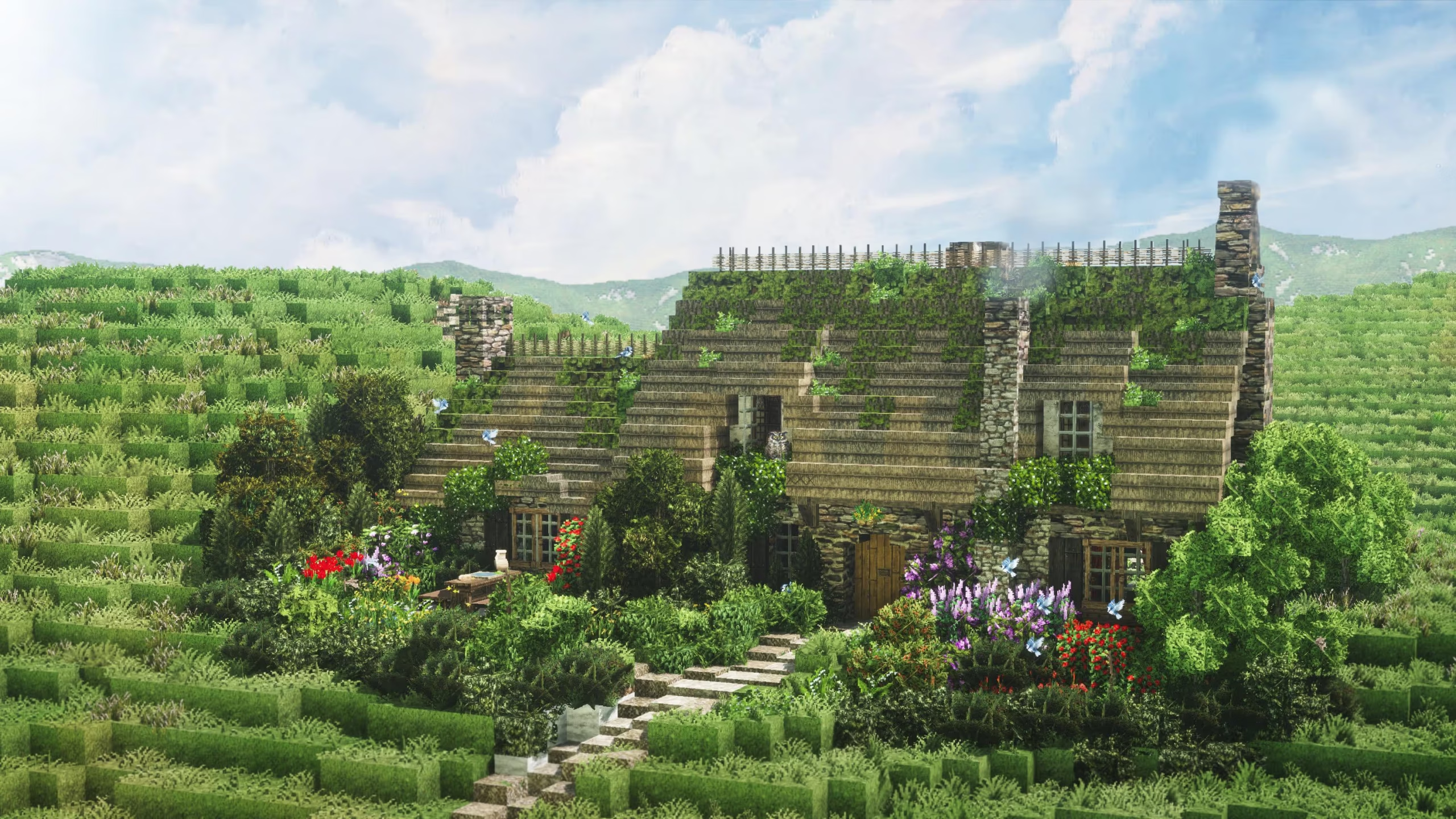
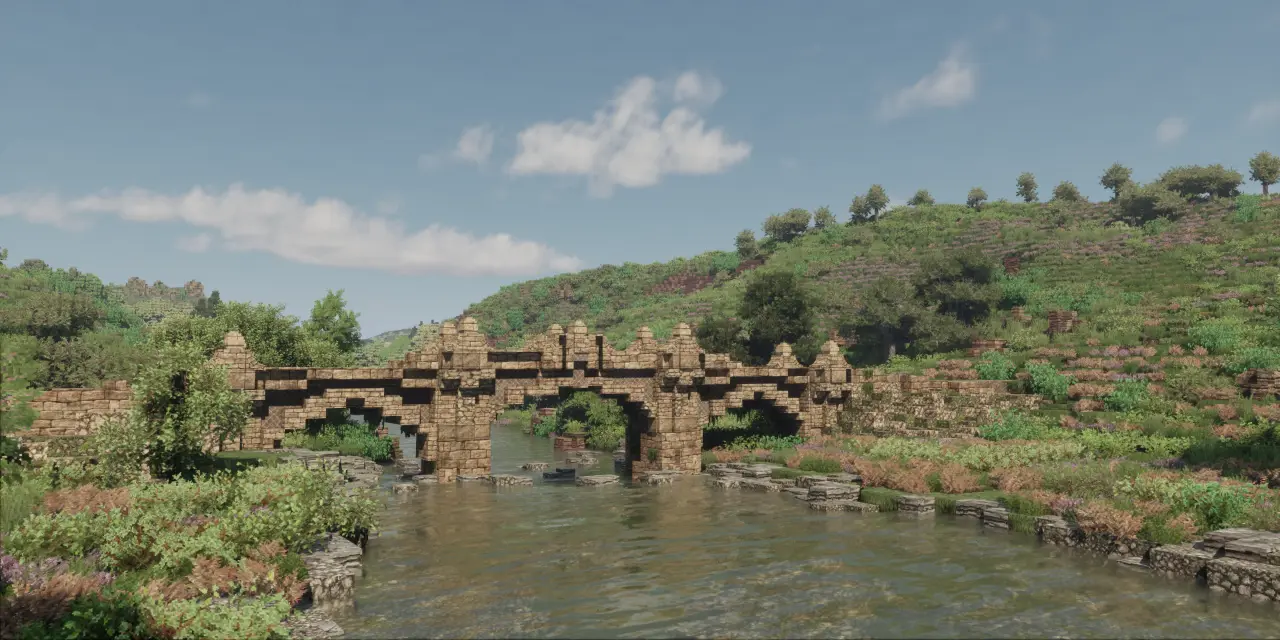
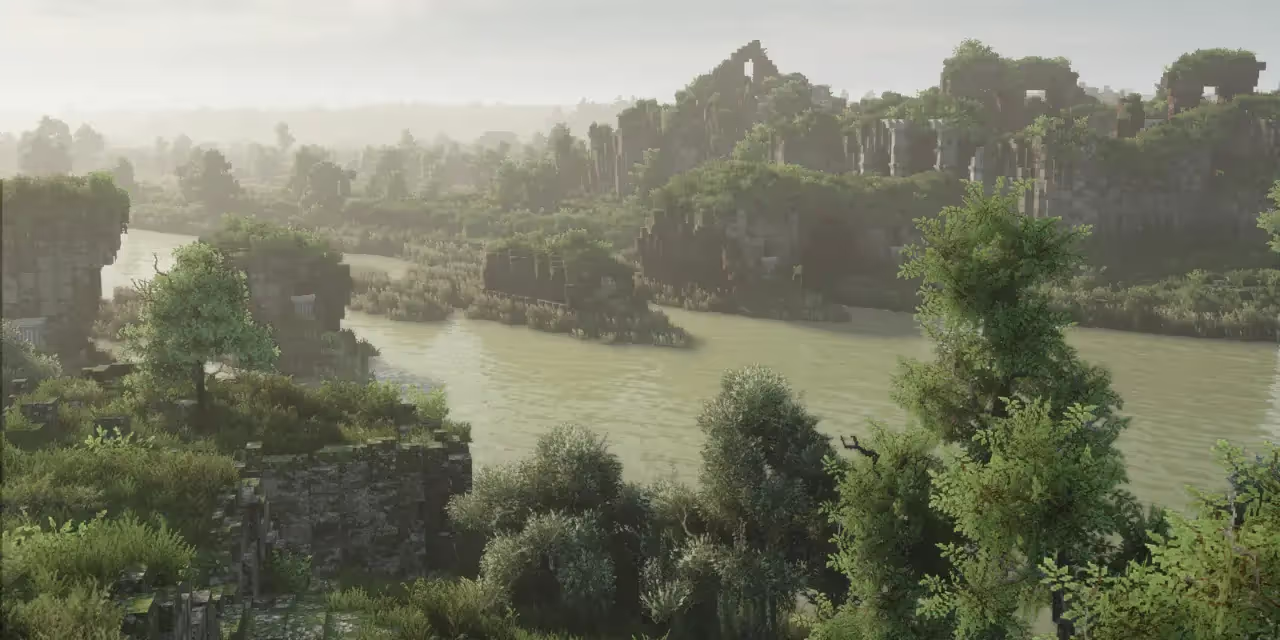
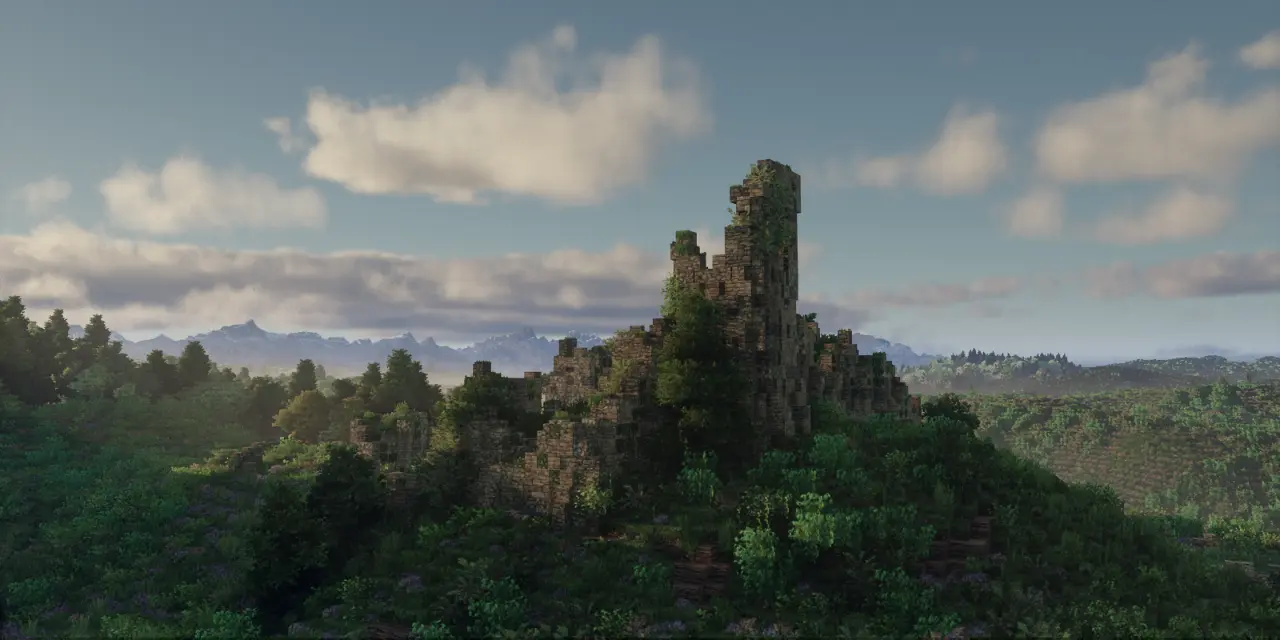
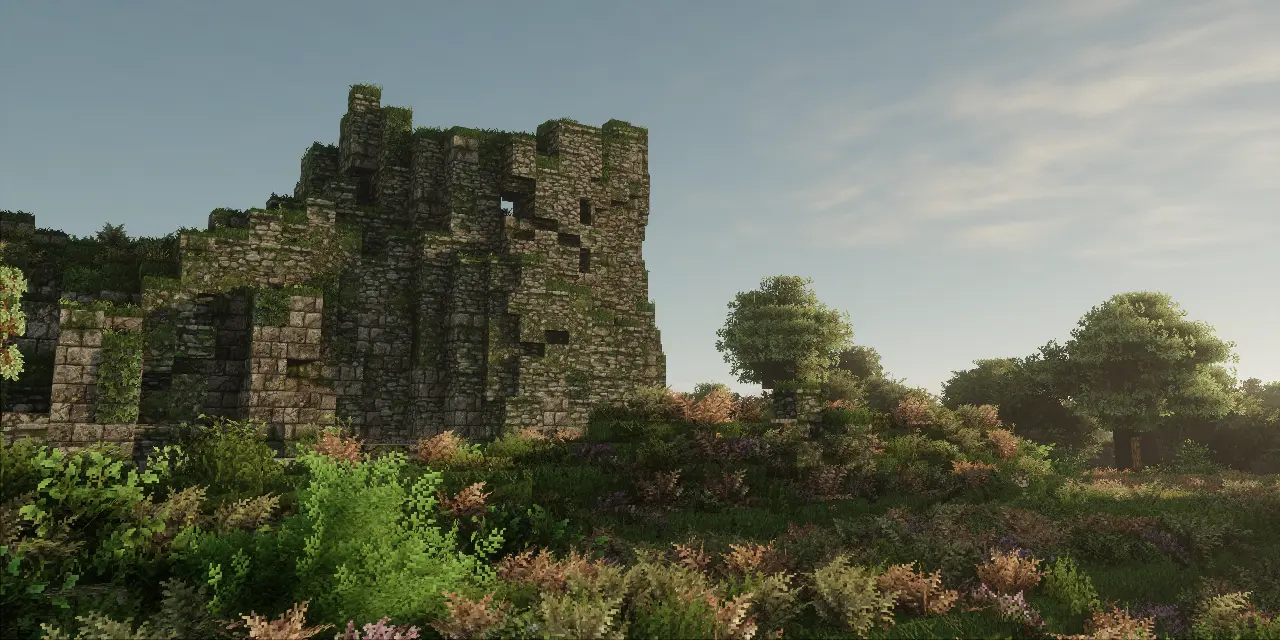
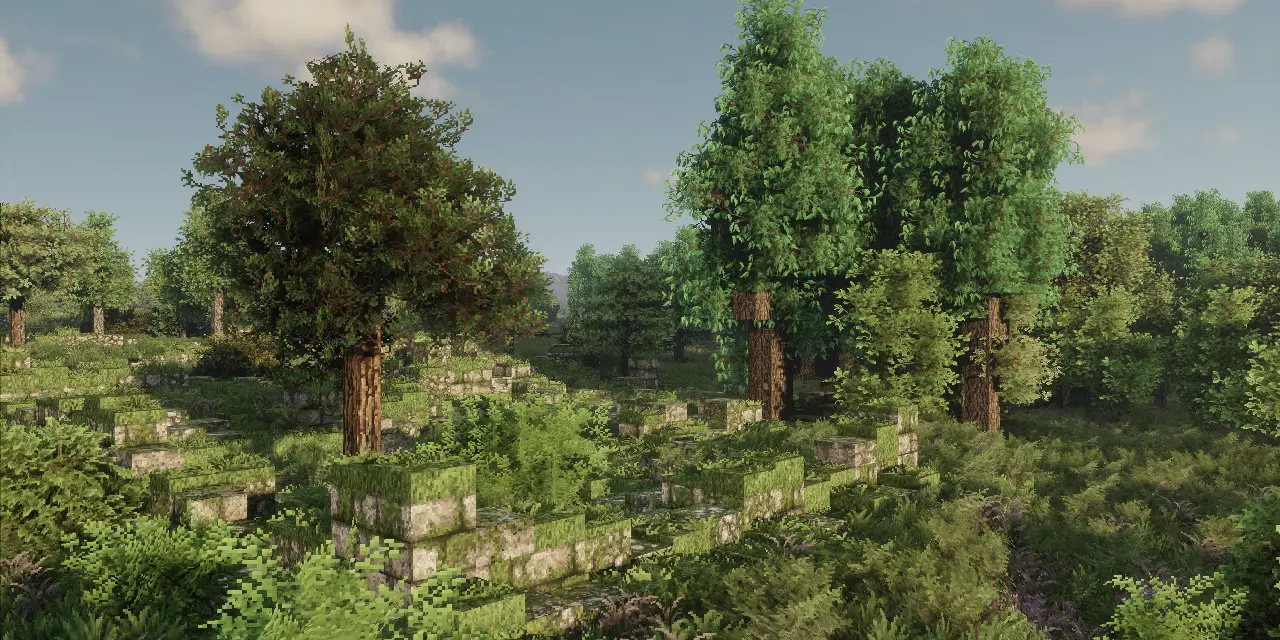
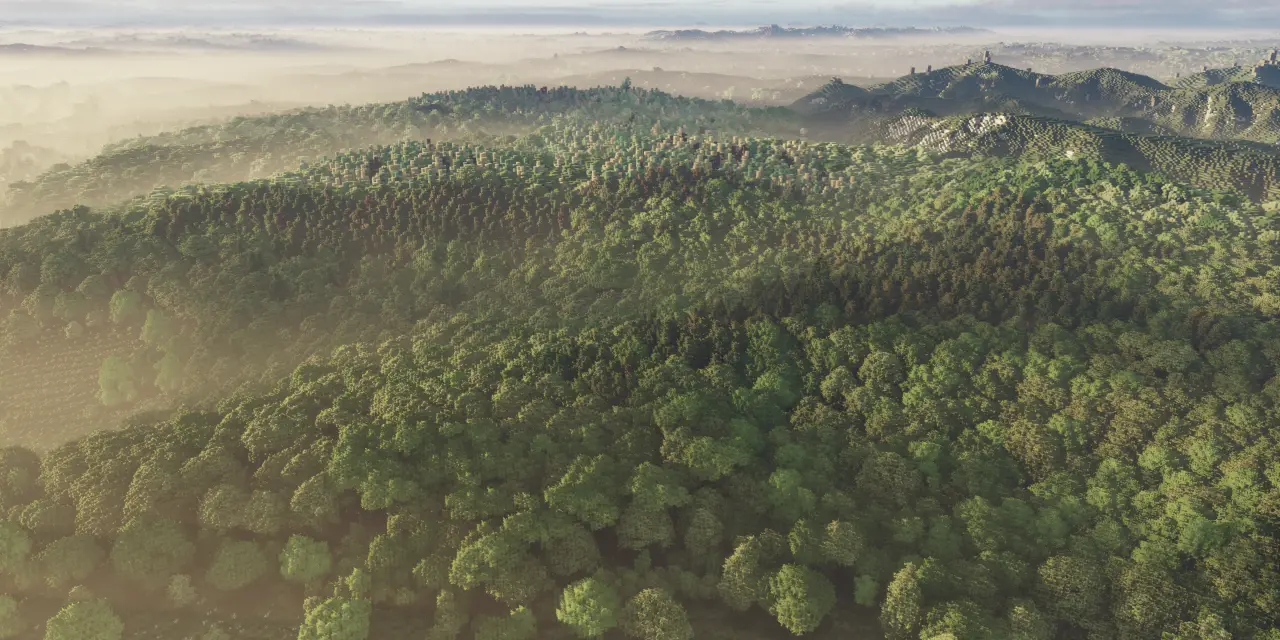
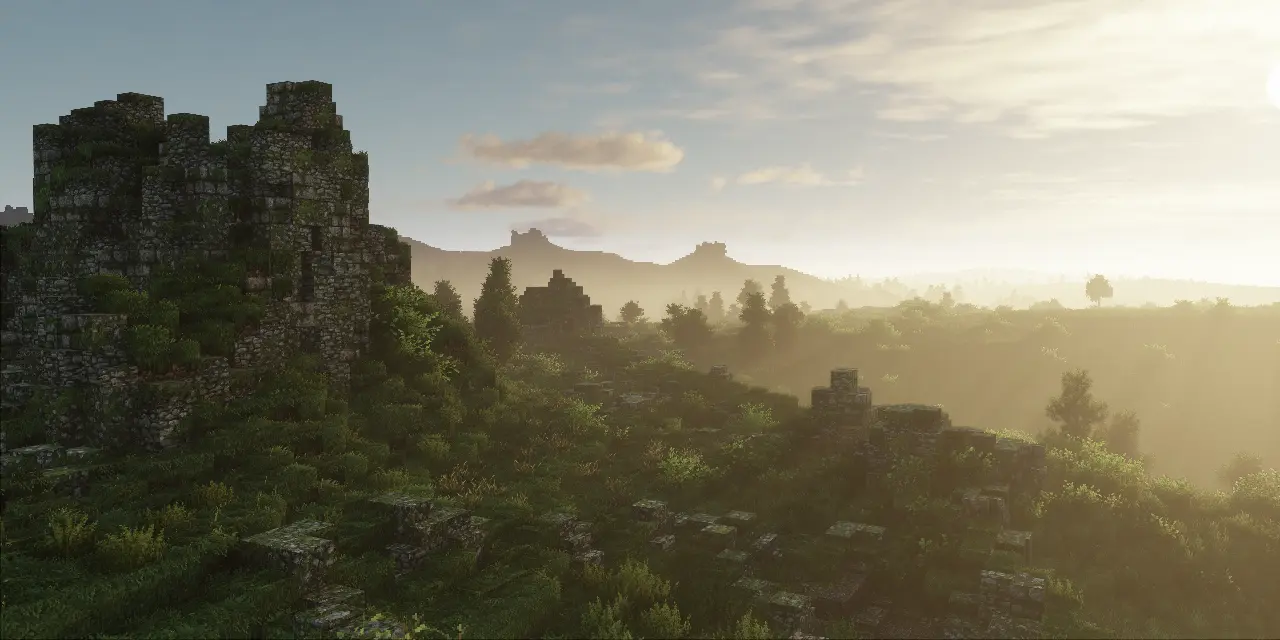
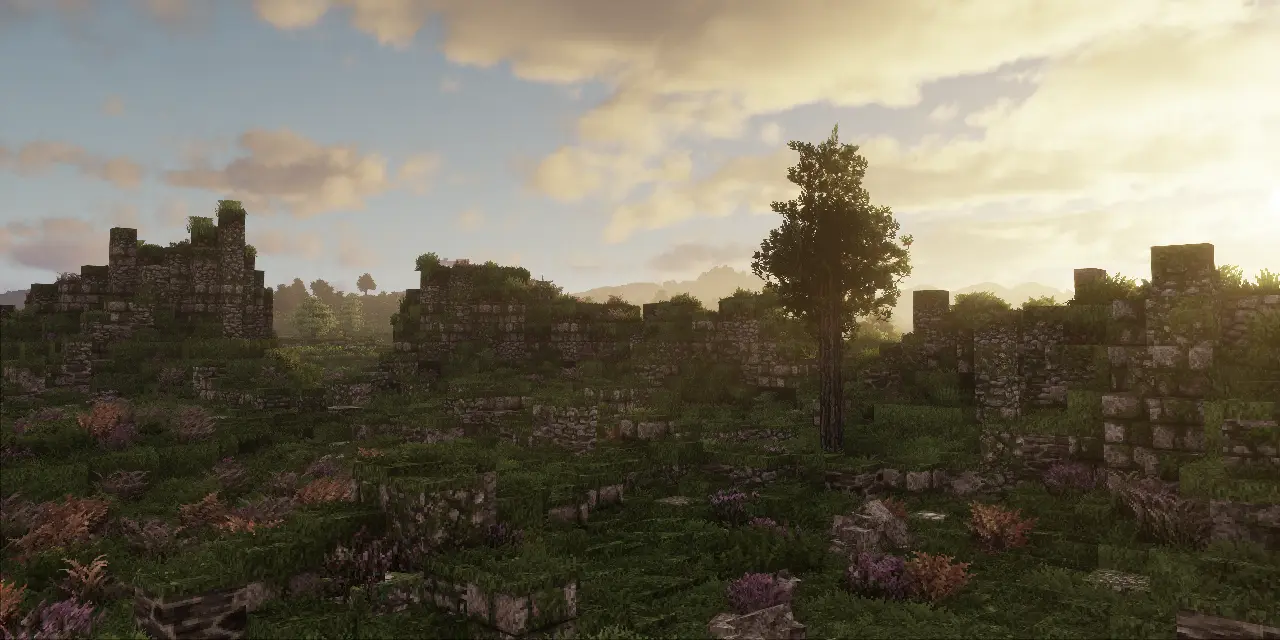
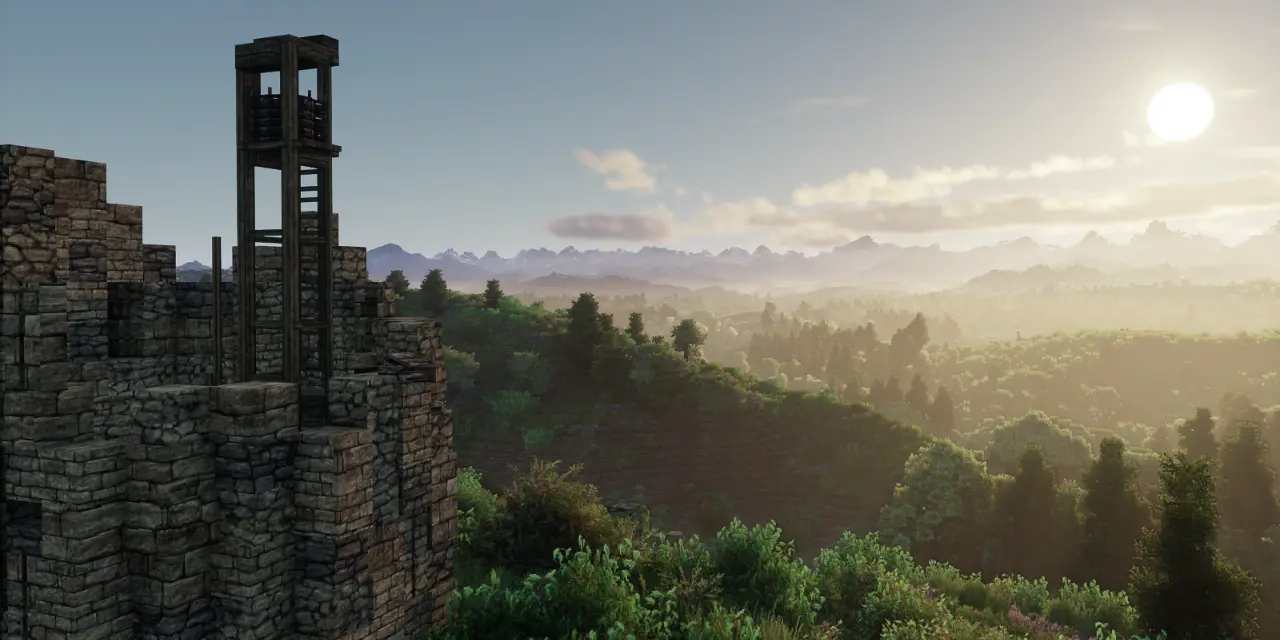
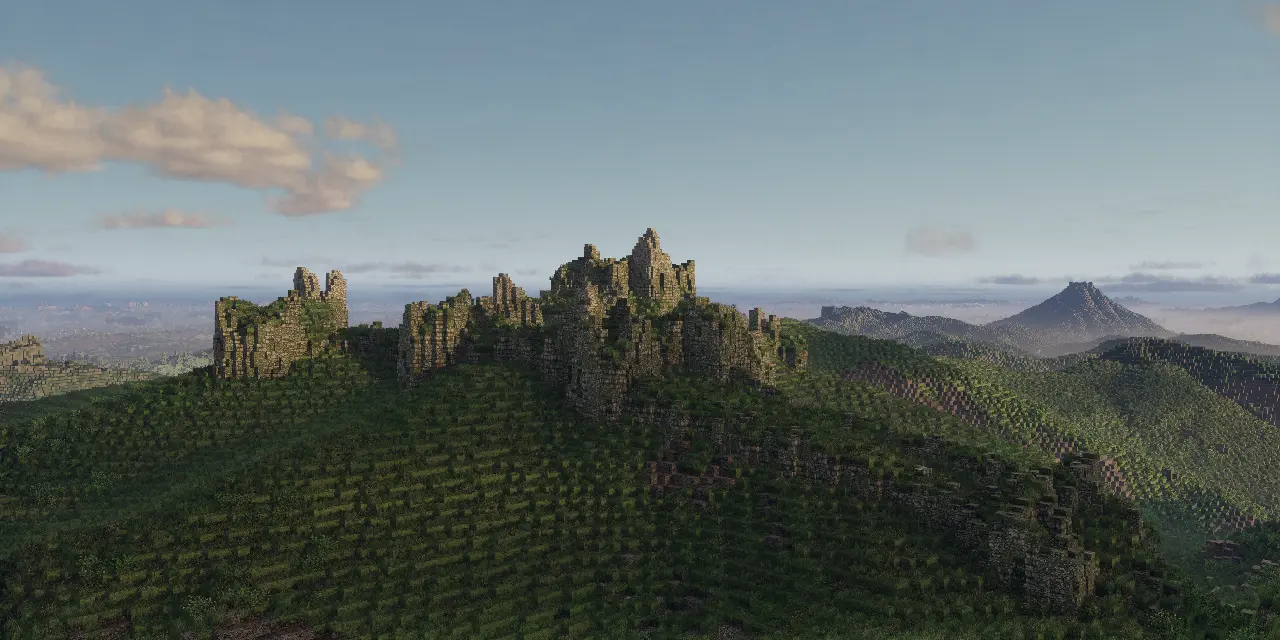
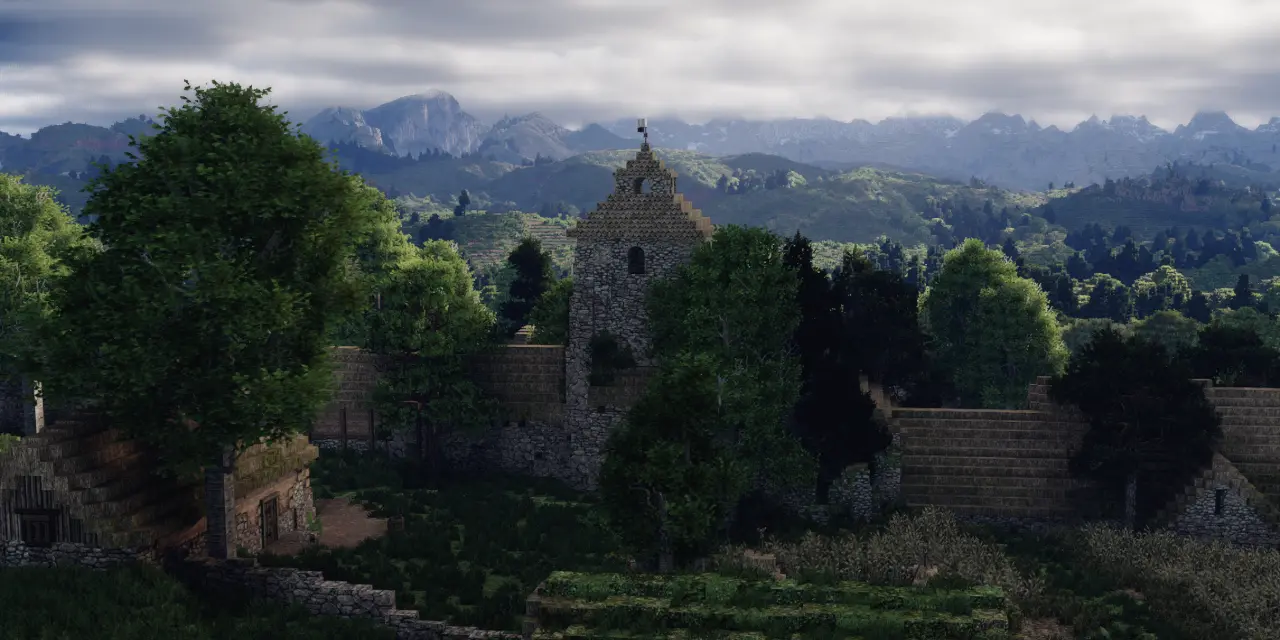
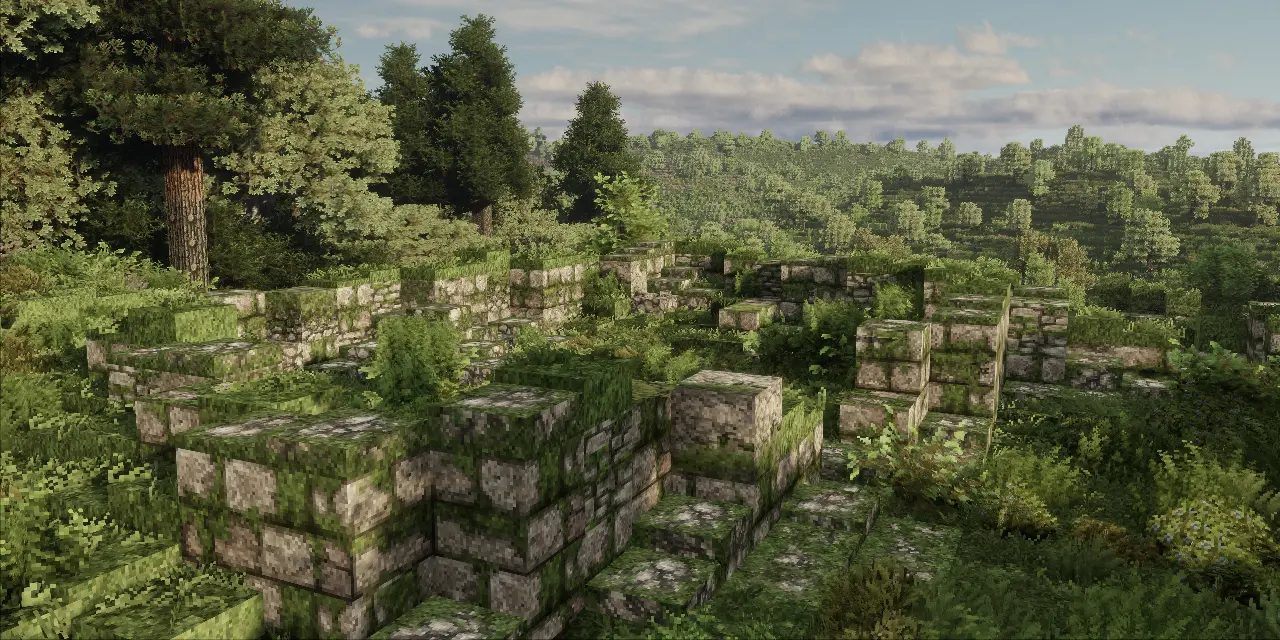
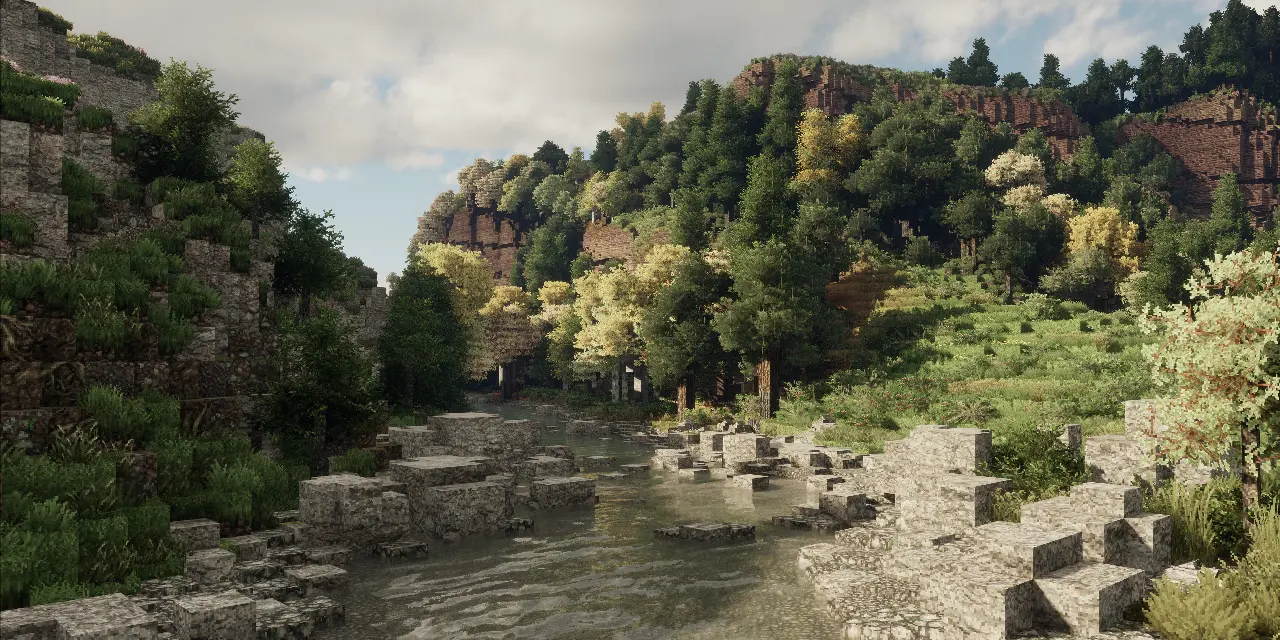
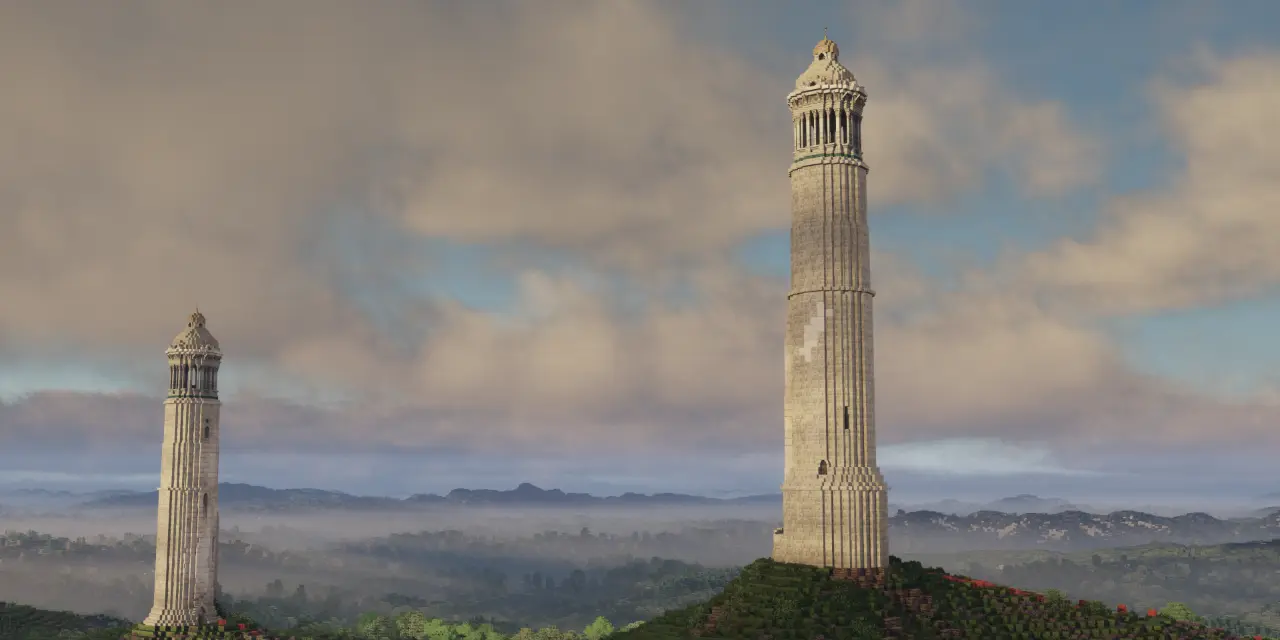
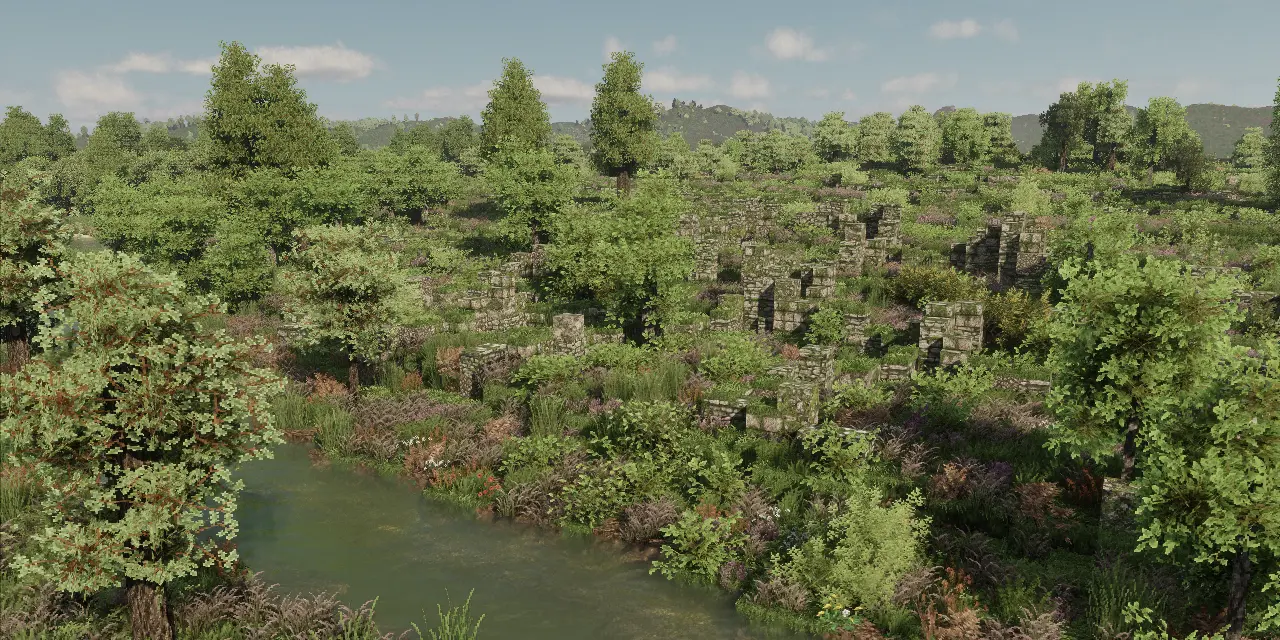
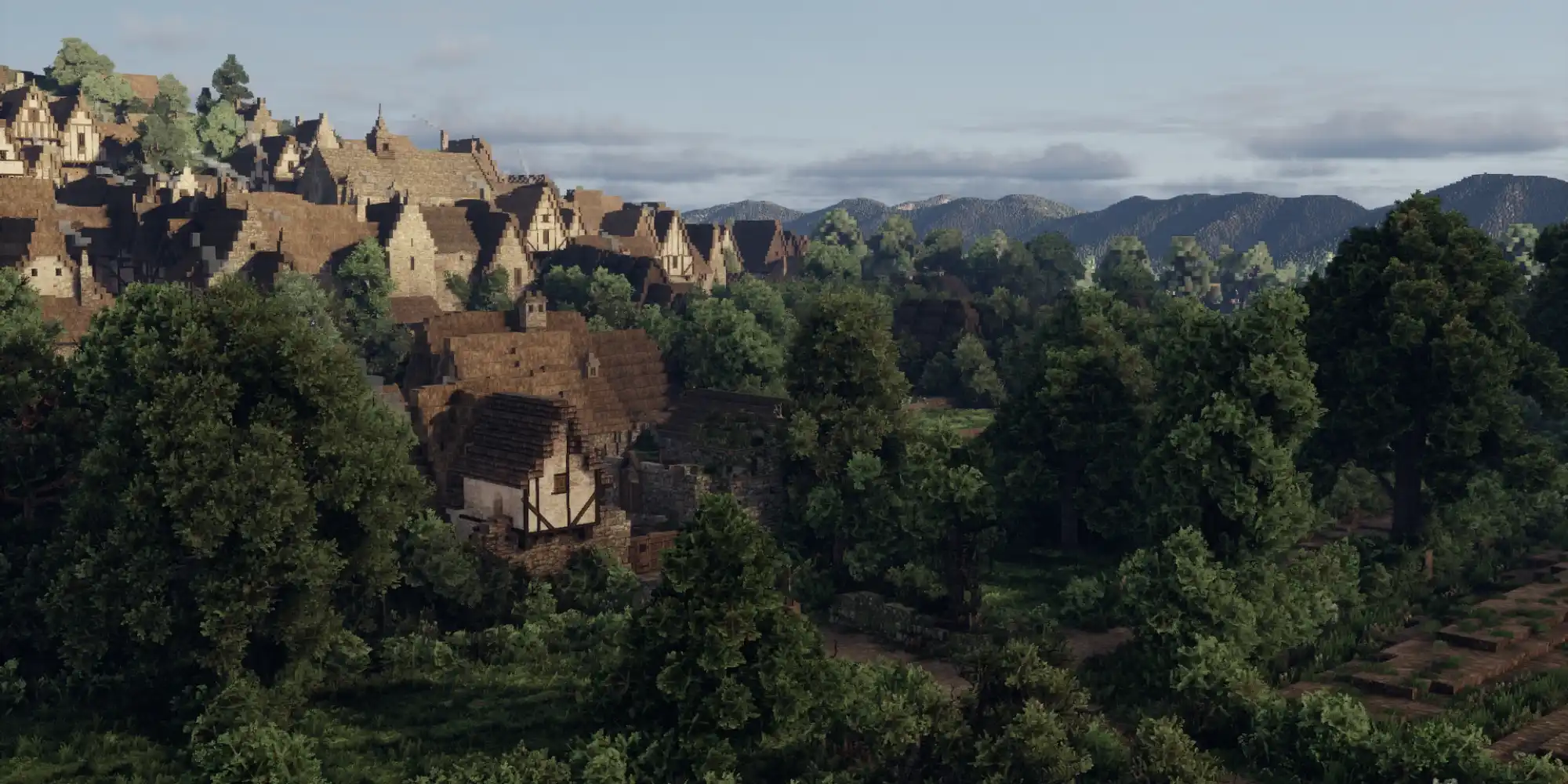
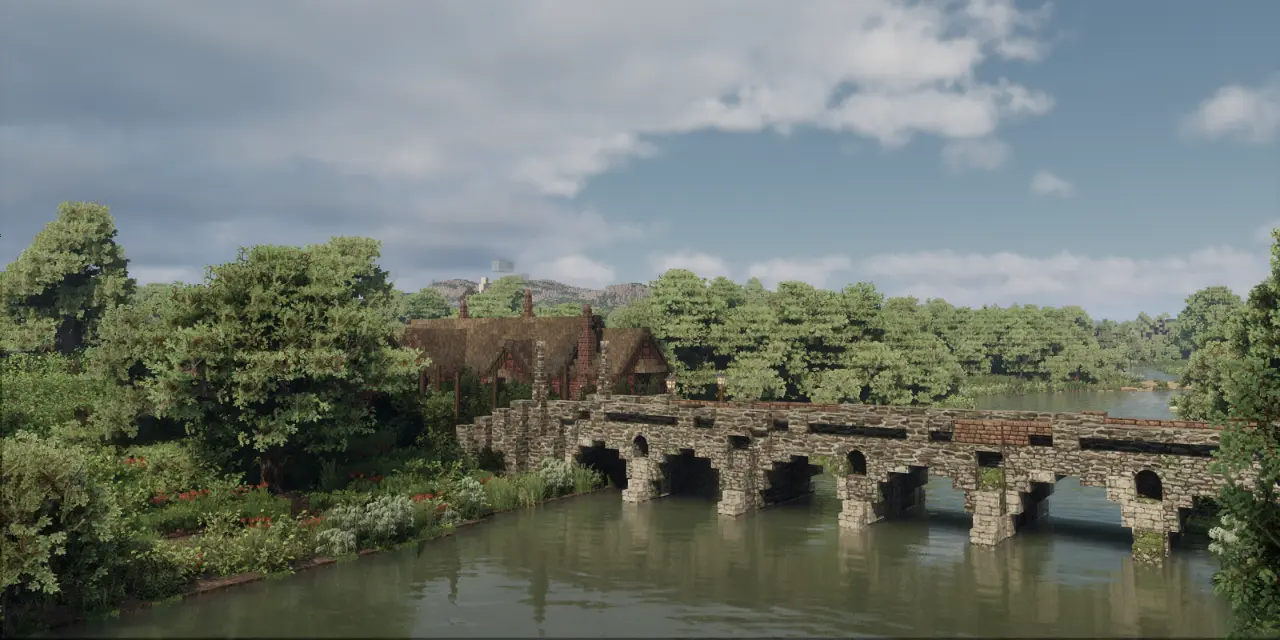
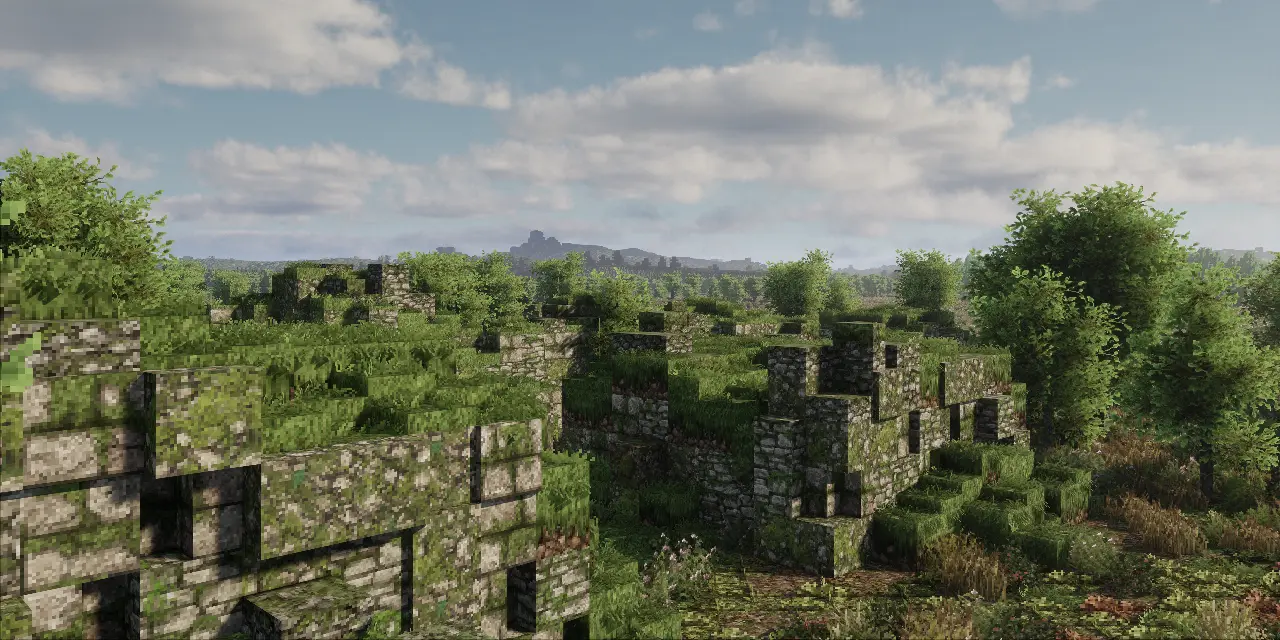
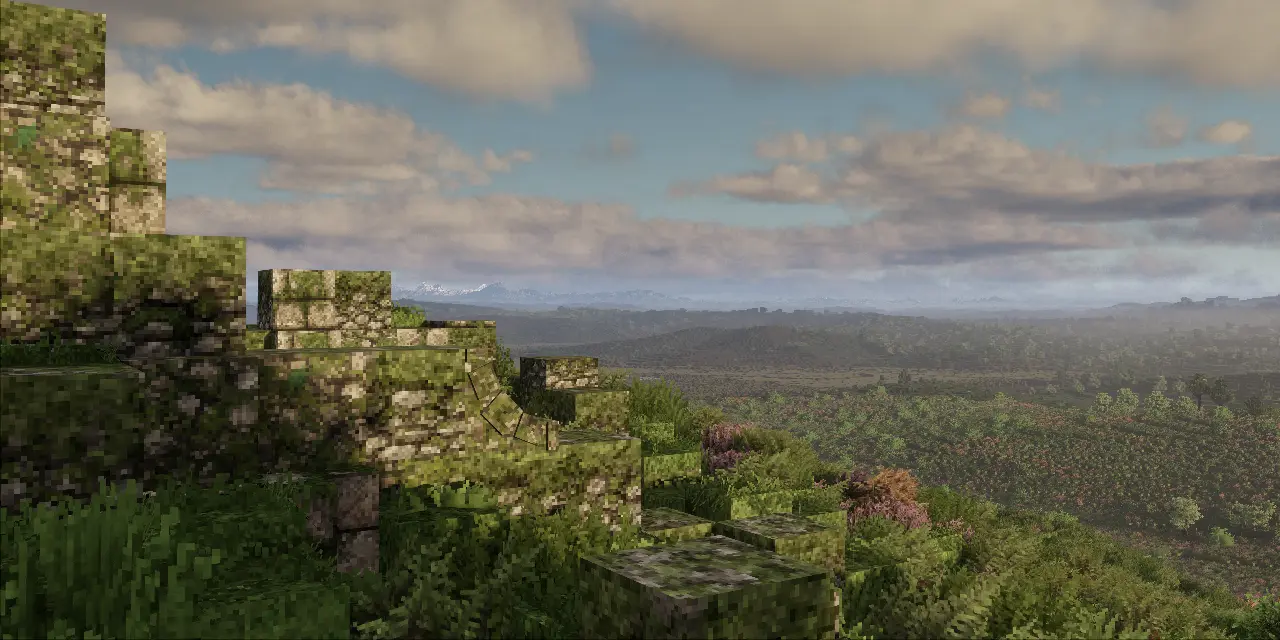
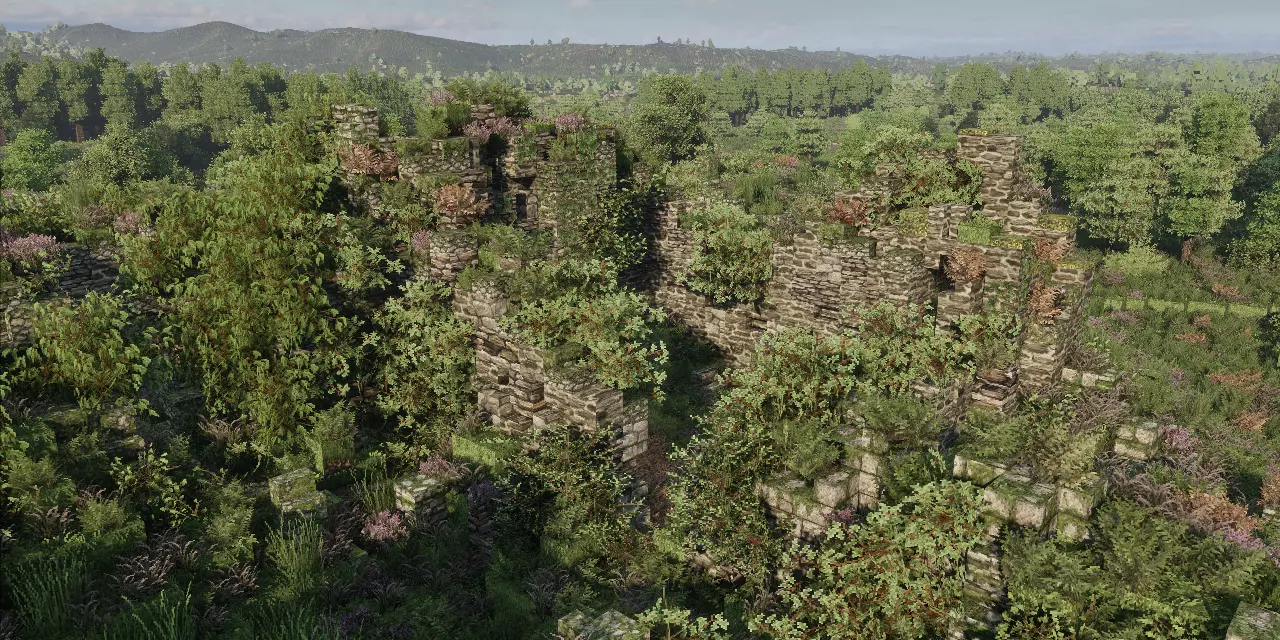
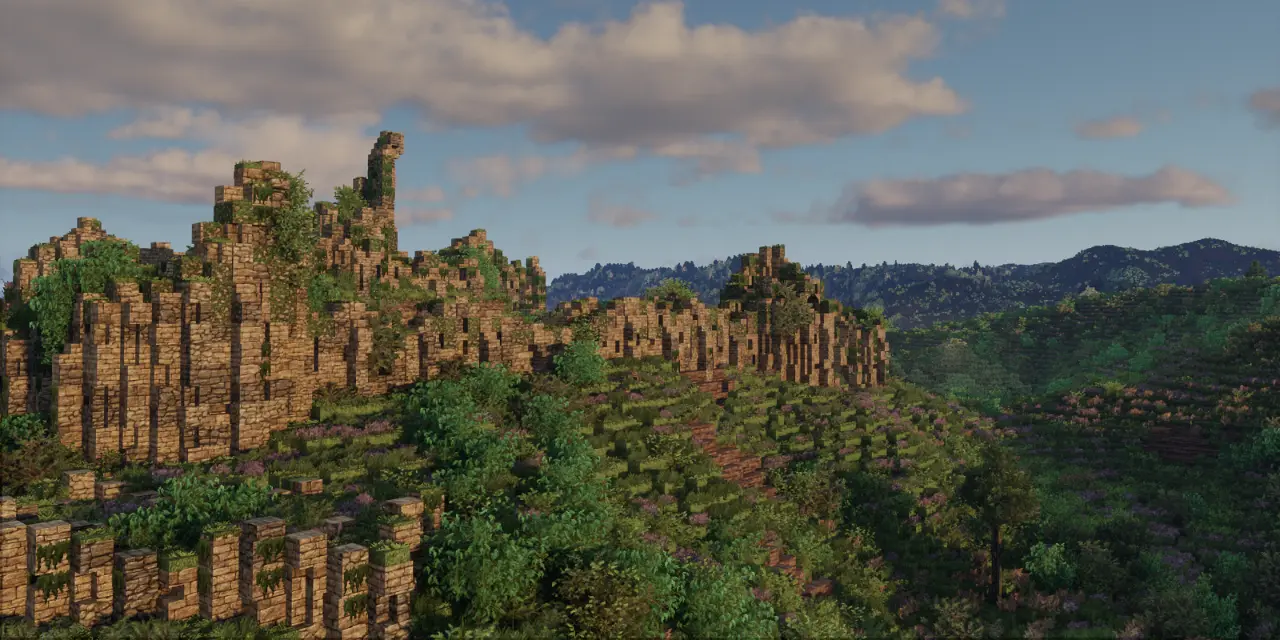
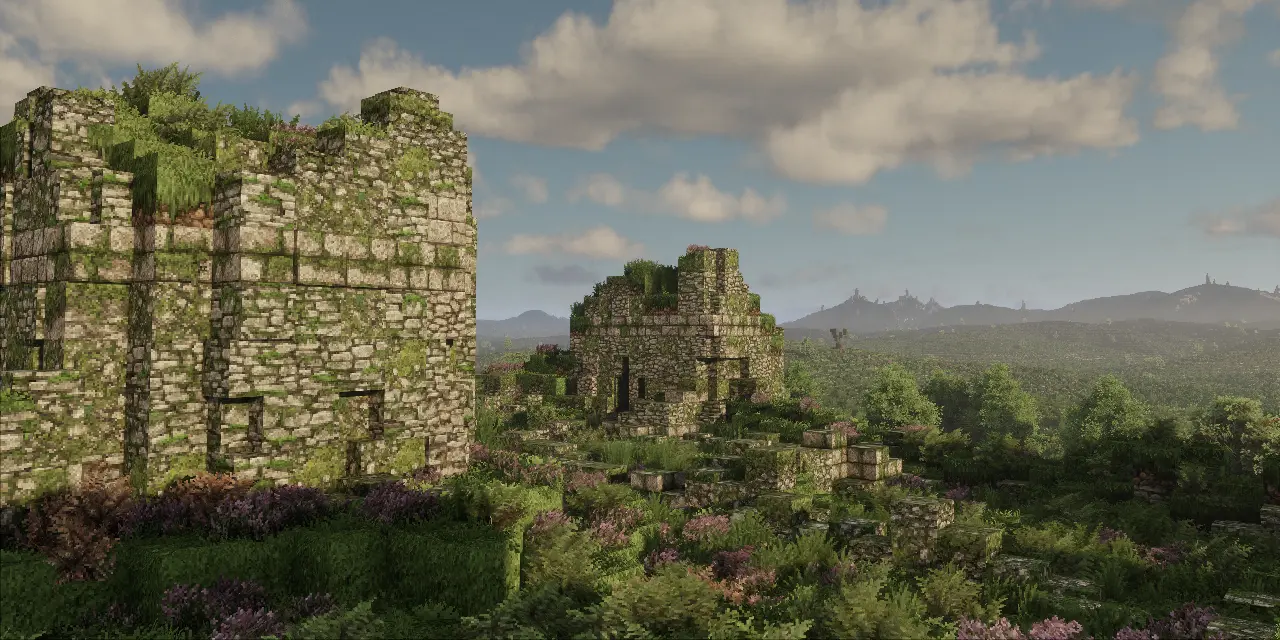
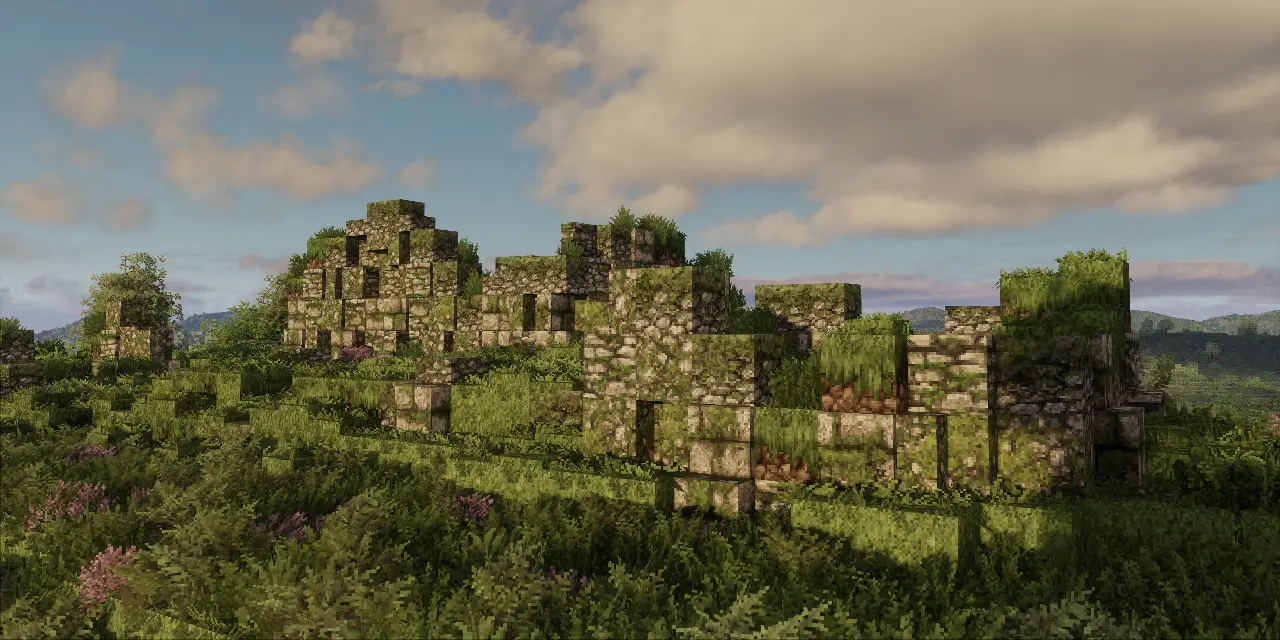
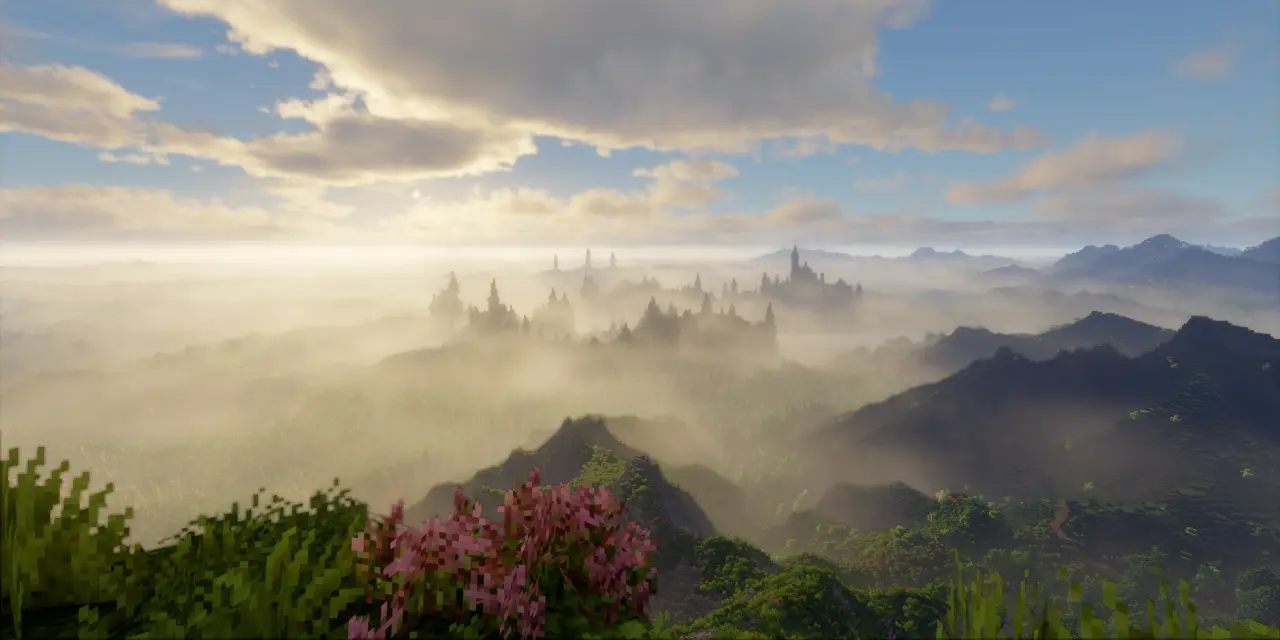
In the eastern part of Eriador, the land rises to form the Trollshaws and the Ettenmoors, before eventually reaching the Misty Mountains. These areas are more wooded, and are inhabited by trolls- just south of here, in the Angle, secretly reside the remaining Dúnedain of the North. In the southwestern most part of Eriador is Eryn Vorn, a densely wooded cape jutting out into the Great Sea, where the final remnants of the native people of Eriador live away from civilisation. The sole inhabited areas of the western and central parts of Eriador are the Shire and Bree-land; the former occupied by hobbits, the latter mainly by men, though some hobbits can be found here too. Elsewhere, the ruins of Arnor are all that remain of the former realm of men, with prominent former settlements at Tharbad, Fornost and Annúminas. The East Road crosses the entire region, connecting dwarven settlements in the Ered Luin to those beyond the Misty Mountains, and bisects the Greenway at Bree.
Climate
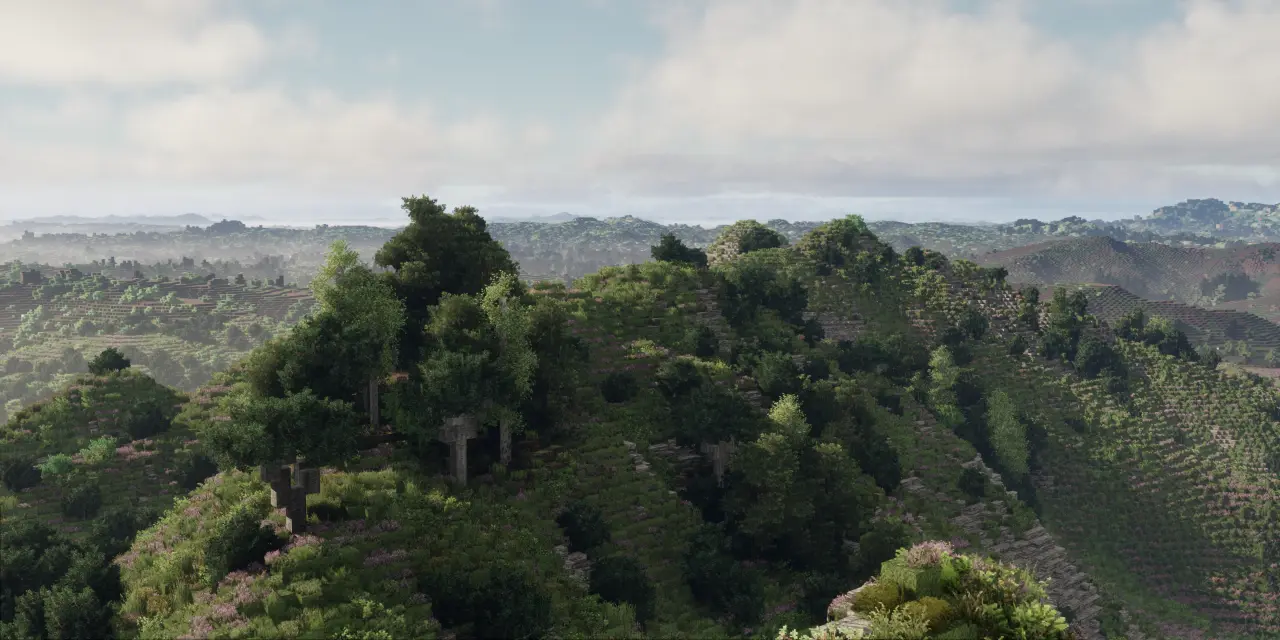
Eriador is naturally temperate, with some areas warm enough to be suitable for winemaking. It is unnaturally cold, however, possibly due to lingering influence from the Witch-king, as several harsh winters have hit the region. On the northern coasts, ice is common, and rain has caused various flooding and swampification events throughout Eriador.
Culture
Though Eriador has a long connection with the Dúnedain of the North, the collapse of Arnor and its successor kingdoms has removed a unifying culture in Eriador. The few remaining inhabitants identify themselves as belonging to their own part of Eriador, such as the Shire, as opposed to Eriador as a whole. Indeed, many inhabitants of Eriador live their lives unaware of those they share their region with, or of the name Eriador at all.
Governance
Since the death of Arvedui, there has been no real governance of Eriador, save perhaps the Chieftain of the Dúnedain. The hobbits of the Shire and men of Bree-land have no real leaders as such, though the hobbits do have a ceremonial Thain. Other individual tribes may have their own local leaders.
Economy
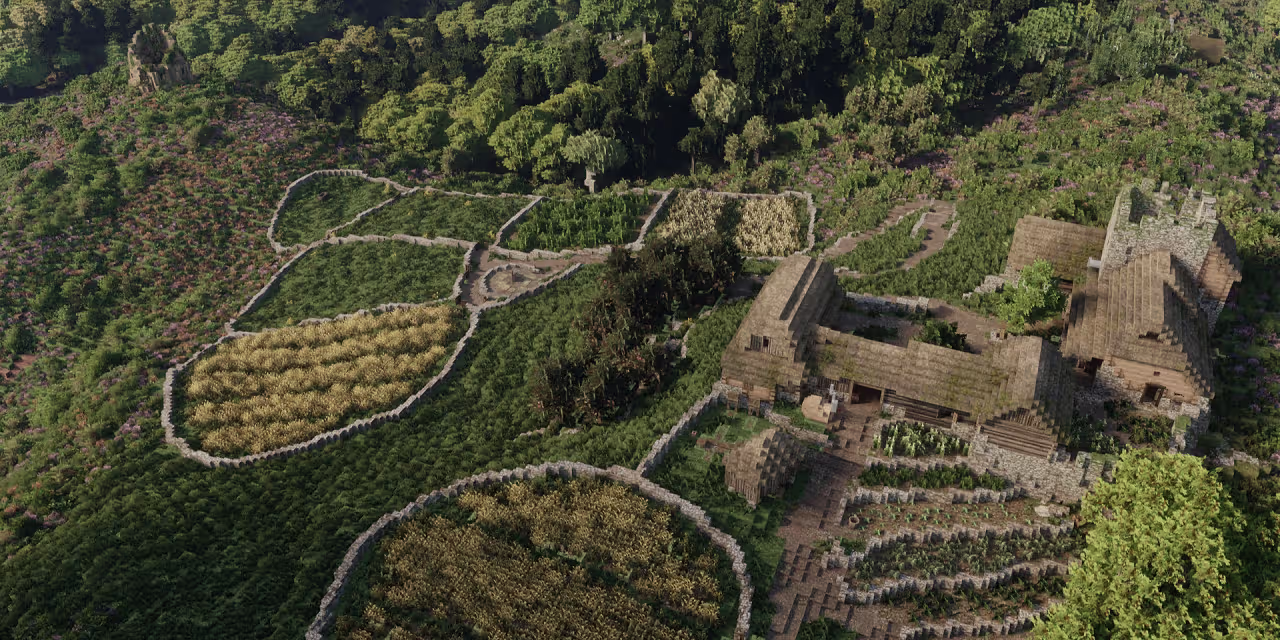
Eriador sees plenty of travellers along the East Road, as well as some between Bree and the Shire, who often stop along the way. Beyond this, most inhabitants practice subsistence farming, though there are more advanced professions in Bree and the Shire.