Not Started
ArdaCraft is a massive, ongoing collaborative project. These tags indicate where a specific location is in our development pipeline: awaiting construction (Not Started), actively being built by our team (In Progress), or fully finished and ready to explore (Completed).
Canon
Original locations created by the ArdaCraft team to fill in gaps left by J.R.R. Tolkien. It is carefully designed to remain completely faithful to the established Middle-earth canon.
Open
Gallery
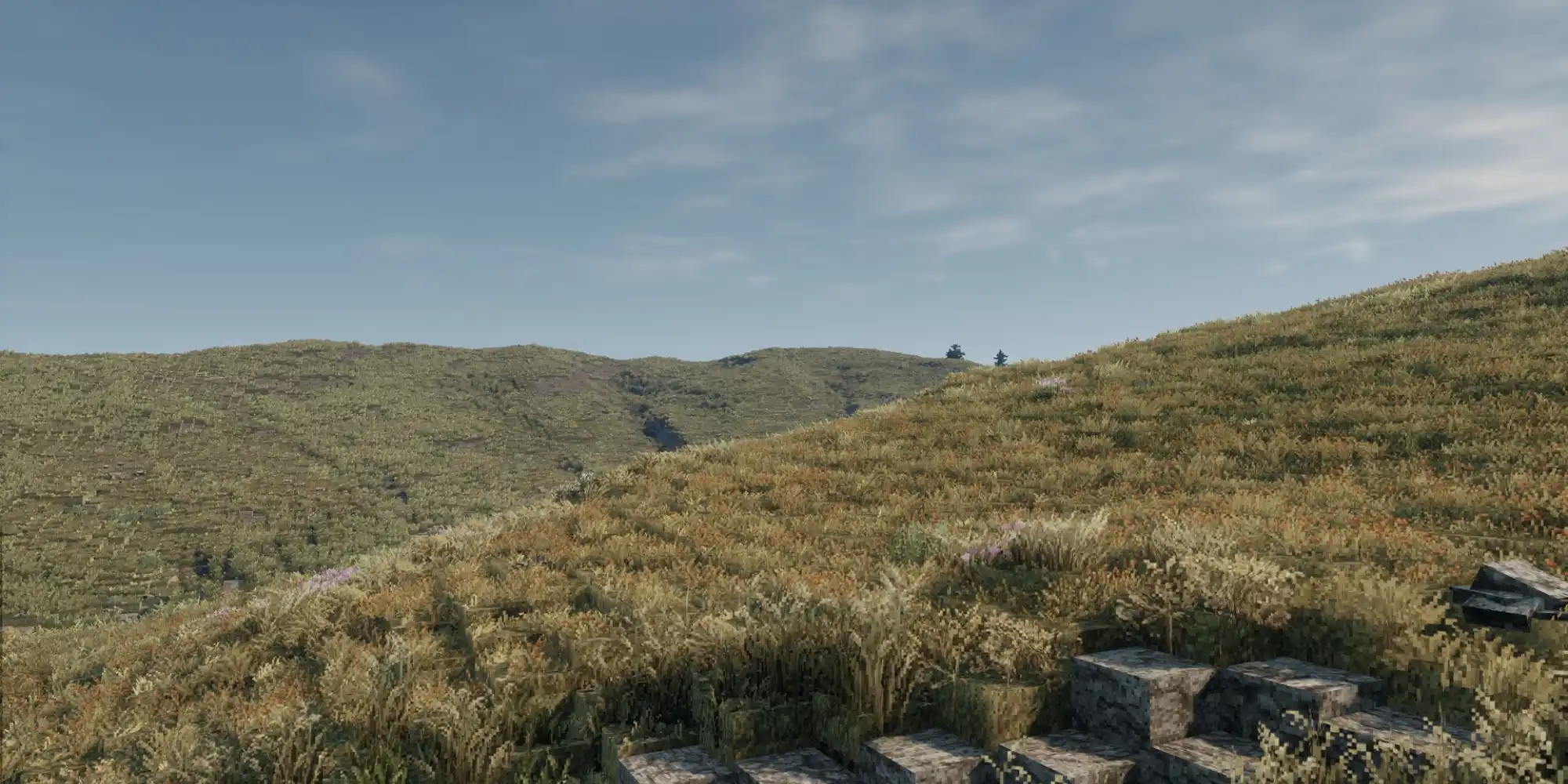
The tenth day of their journey was over. Wilderland was behind them. They could go no further without choice between the east-way and the west. The last stage of the Quest was before them.
– The Fellowship of the Ring (Book 2), Chapter 9
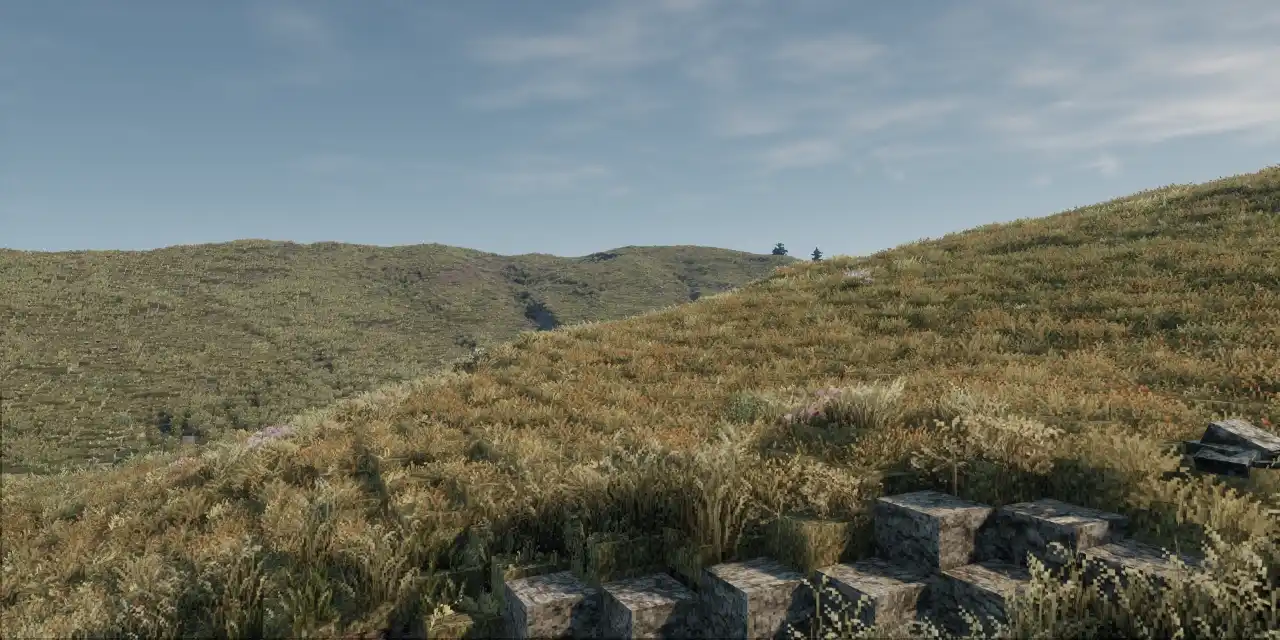
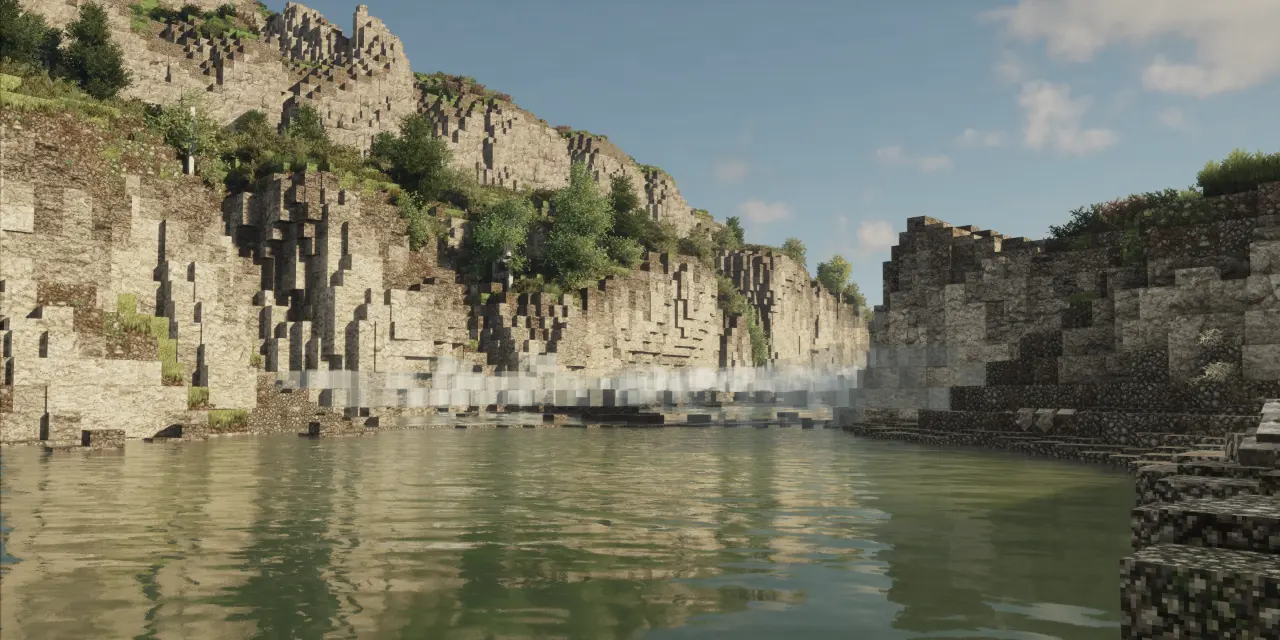
Rhovanion, or Wilderland, is a region broadly defined as being east of the Misty Mountains. Though once a kingdom in its own right, the name remains as a broad descriptor of an area that includes Mirkwood, the Vales of Anduin and Lothlórien.
The tenth day of their journey was over. Wilderland was behind them. They could go no further without choice between the east-way and the west. The last stage of the Quest was before them.
– The Fellowship of the Ring (Book 2), Chapter 9
Rhovanion, or Wilderland, is a region broadly defined as being east of the Misty Mountains. Though once a kingdom in its own right, the name remains as a broad descriptor of an area that includes Mirkwood, the Vales of Anduin and Lothlórien.
The land that would become Rhovanion was traversed by Elves and Dwarves in the Years of the Trees, with some settling in places such as Greenwood the Great and Moria. However, most passed across the Misty Mountains towards Beleriand. After their awakening at the beginning of the First Age, some men remained in Rhovanion during the westward migration, becoming known as Northmen. Settling down in small groups, some began to trade with Moria. The region was relatively peaceful at this time, in stark contrast to goings on in Beleriand.
In the Second Age, after the War of Wrath, the Men of Rhovanion joined with the Dwarves of Moria to defend against an influx of Orcs from the west. During the Second Age, the Woodland Realm and Lórinand (which would become Lothlórien) were founded by the Elves. At the end of the Age, the Battle of Dagorlad, where the Last Alliance of Elves and Men eventually defeats the forces of Sauron outside the Black Gate, occurs in the far south of Rhovanion. After the subsequent defeat of the Dark Lord, Isildur loses the One Ring in the Gladden Fields, whilst taking it to Rivendell.
A thousand years into the Third Age, the shadow around Dol Guldur increases, causing the beginnings of the slow migration of Hobbits towards Eriador. In T.A. 1248, Regent Minalcar of Gondor defeats an Easterling force in Rhovanion, receiving help from Northmen, particularly from one of the many northern princes known as Vidugavia, who called himself ‘King of Rhovanion’. After this battle, Vidugavia, who ruled the area between Mirkwood and the Celduin, entered into alliance with Gondor. Prince Valacar of Gondor served in Vidugavia’s army around this time, integrating into Northmen culture and marrying Vidugavia’s daughter, Vidumavi, and having a child in T.A. 1255. Their son, Vinitharya, ascended the throne as King Eldacar in T.A. 1432, but concerns over his Northmen lineage sparked a civil war in Gondor known as the Kin-strife in T.A. 1437. Eldacar was usurped, and forced to flee to Rhovanion, and after a decade returned to reclaim his throne, with help from a Rhovanion army. In T.A. 1636, the Great Plague ravaged the lands of Rhovanion, greatly weakening the area, leading to the invasion of the Wainriders from the east in T.A. 1851 after the Battle of the Plains. In this battle, both the Gondorian King Narmacil II and Marhari, descendant of Vidugavia, were killed. Marhari’s son, Marhwini, fled to form a group of Northmen known as the Éothéod. After around half a century of occupation, the Wainriders were driven out in T.A. 1899 with the help of the Gondorians; although Rhovanion was freed, many moved south to Gondor, leaving Rhovanion depopulated. The fall of Moria one hundred years later also caused a dwindling of the local populace.
From the mid 25th Century, a series of unfortunate events befell Rhovanion. Sauron returned to Dol Guldur as the Necromancer, and an evil fell on the Greenwood, which was renamed ‘Mirkwood’. The Dwarves of Erebor were almost entirely destroyed by the dragon Smaug, and the dwindling of Gondorian power caused their borders to retreat out of Rhovanion altogether. In T.A. 2463, a Stoor Hobbit named Sméagol finds the One Ring, and takes it into the Misty Mountains. After their role in the Battle of the Field of Celebrant, the Éothéod were granted the Gondorian province of Calenardhon as a reward; many migrated southwards to form the Kingdom of Rohan. The Company of Thorin Oakenshield travelled through Rhovanion on their quest to retake the Lonely Mountain in T.A. 2941. In the late Third Age, Rhovanion is a shadow of its former self, with many areas totally devoid of inhabitants, though some, such as the Woodmen and Beornings, still remain, and the return of the Dwarves to Erebor has caused a shift in fortunes around Esgaroth.
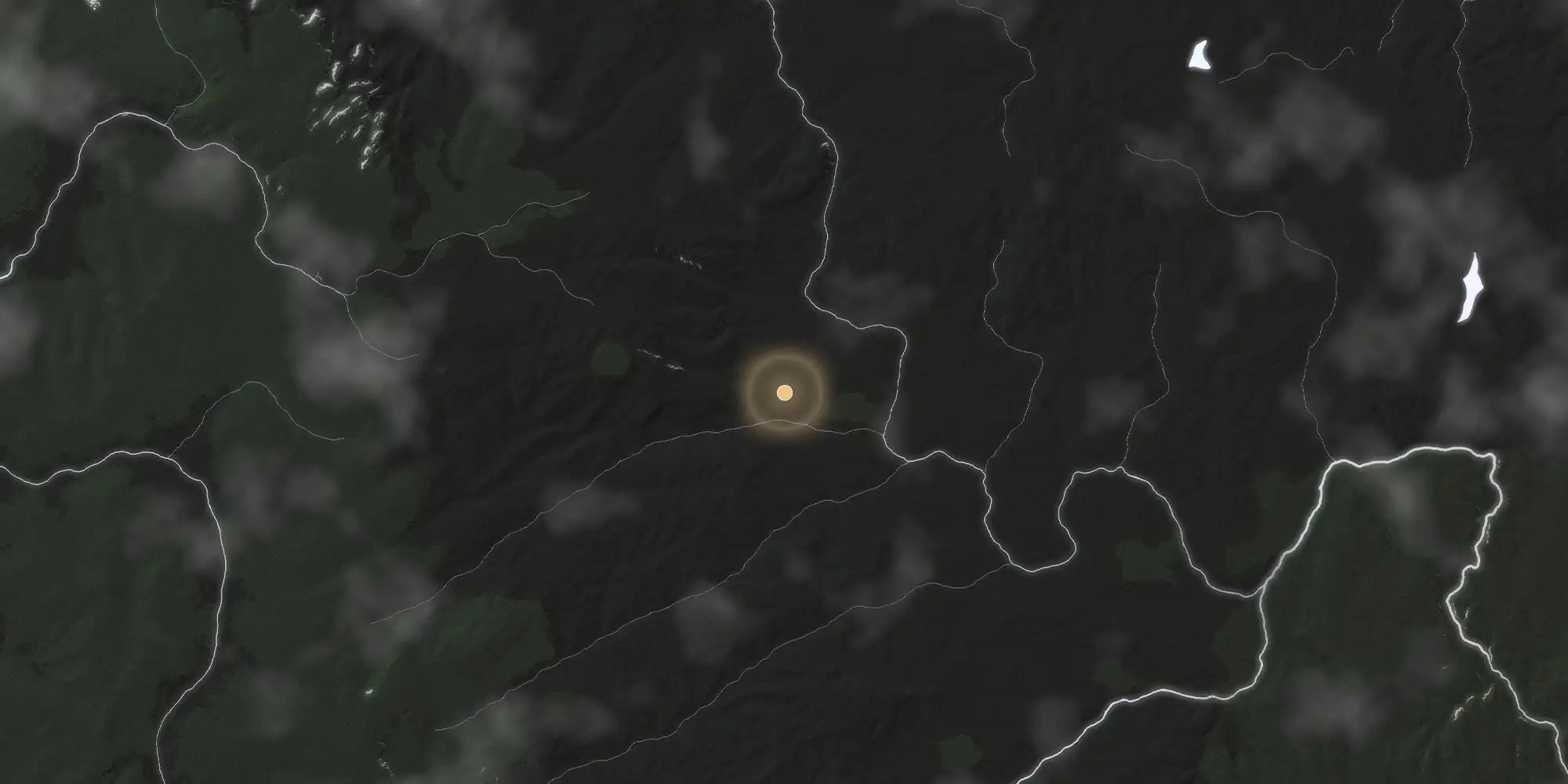
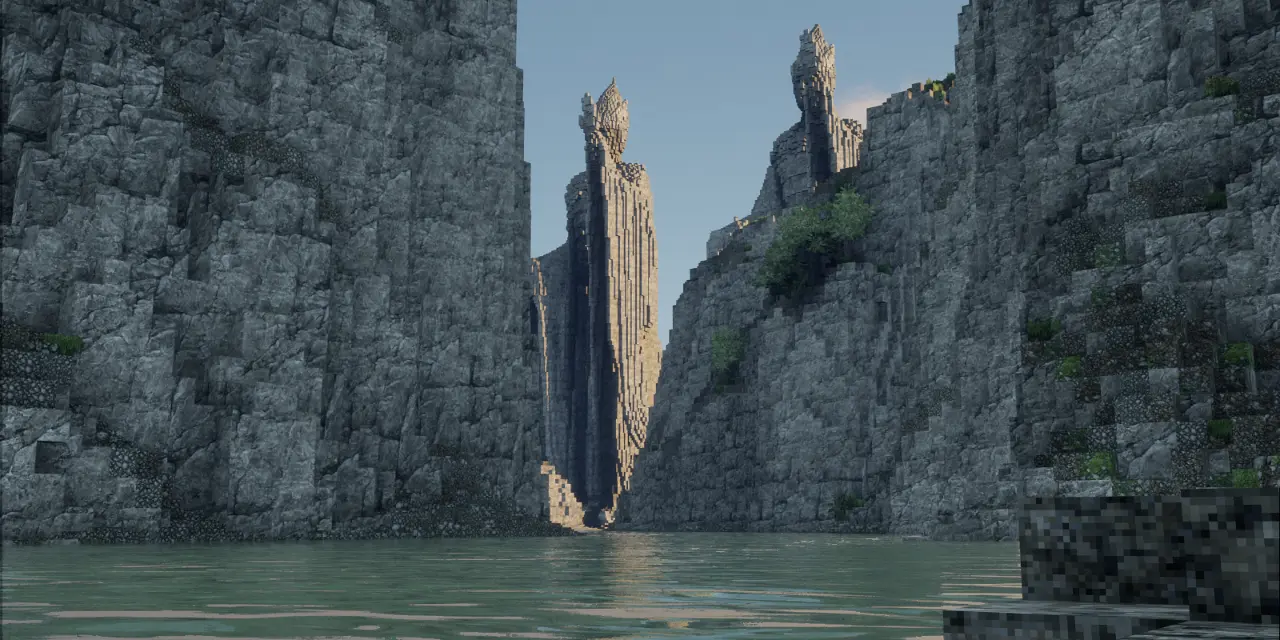
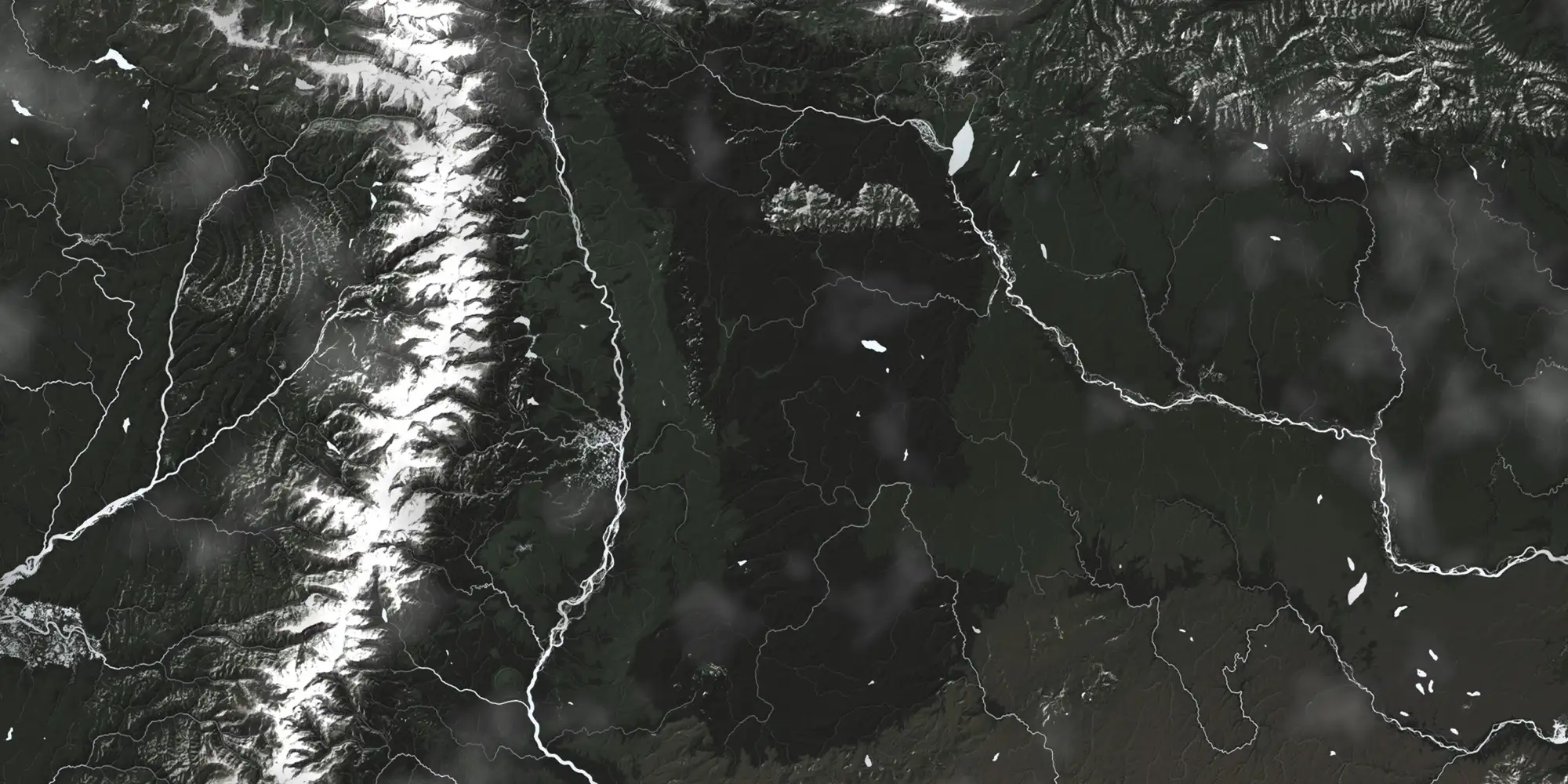
The borders of Rhovanion are poorly defined, but the region is generally understood to extend westwards to the Misty Mountains, and to the Anduin between its confluence with the Limlight and the Falls of Rauros. To the north, it is limited by the Grey Mountains, and by the Celduin in the east. The limit of Rhovanion on the plains between the Mountains of Mordor and the southern eaves of Mirkwood is especially unclear, though this area is sparsely populated. Rhovanion entirely contains both Mirkwood and the Vales of Anduin, as well as a portion of the plains west of the Sea of Rhûn. The most populated regions are the Vales of Anduin and the Long Lake, though men live in Mirkwood, and Elves live in the Woodland Realm and Lothlórien. In the Emyn Muil in the south, the Argonath mark the former northern border of Gondor.
The climate of Rhovanion is varied; whilst it is generally temperate in the Vales of Anduin, it is likelier harsher and windier on the plains. In Lothlórien, Galadriel’s ring Nenya influences the weather of the forest, and the evil in Dol Guldur corrupts the surrounding environs.
There is no real unified culture in Rhovanion, though the region is dominated by Northmen. Buildings are made of wood, and small settlements can be found in the Vales and some areas of Mirkwood. The Dwarves of Erebor, and the Elves of the Woodland Realm and Lothlórien each have their own unique cultures.
As there is no actual Kingdom of Rhovanion, there is no central governance. Smaller princes hold sway over their own territories, such as in Framsburg, and Grimbeorn over the Beornings. More powerful figures, such as Galadriel in Lothlórien and Thranduil in Mirkwood, usually remain in their own territory and do not attempt to influence others.
Whilst the Beornings maintain roads in the Vales of Anduin and some passes over the Misty Mountains, there is no large-scale economic activity- most are subsistence farmers or hunters, though some humans supply Dwarven settlements in the Grey Mountains or in Erebor.