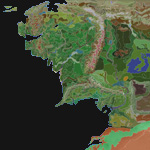
Interactive Map of Middle-earth

x :
0
z :
0
0
Map details
middle earth region map
Regions
middle earth biome map
Biomes
middle earth drainage map
Drainage
europe map
Europe
Map types
default middle earth map
Default
satellite middle earth map
Satelite
drawing middle earth map
Drawing
heightmap middle earth map
Heightmap
In Progress

Carrdun

About

The largest of the West-march hamlets, Carrdun sits on a hill just north of the Adorn in the region's south-east. The hamlet dates back to the days of Freca, being established around the same time as Frecasburg, and is still almost exclusively inhabited by Middle-Men of Dunlendic blood.

Completed

Neahburg

About

A group of Rohirric settlers built Neahburg on the foundations of an old Middle-Men hillfort. Located in the north-east of the West Marches, it is the village closest to the rest of Rohan geographically and culturally. Its strong Rohirric roots set it apart from most other West-march settlements.

In Progress

WMV2

About
In Progress

Aberrhyd

About

The newest settlement in the West Marches, Aberrhyd is home to the Dunnish clan of the Gaesela who settled in the region after being driven out of their homeland further north around 60 years ago. After decades of fighting, they were subjugated by the Kings of Rohan who forced them to give up their arms and to pay tribute in grain.

Completed

Bar-en-Galdor

About

Located in the south of the Angle, Bar-en-Galdor is the only larger dwelling of the Northern Dúnedain apart from Gwâr-Estel. Its terraced gardens help to supplement its otherwise small farming produce.

Completed

Sackville

About

Located in the Southfarthing, the village of Sackville is home to the family of the same name.

Completed

Mearhdenu

About

Located in the Westfold north of Folcmund, the village of Mearhdenu is famed for its war horses which are widely considered to be the best north of Edoras.

Completed

Nand Calen

About

Nand Calen was a village in Harlindon. A great manor once sat in the village's centre but like the rest of the village, it too has been deserted for many centuries. Most of the village's population either sailed for Valinor or moved to the seaside village of Tirannui.

Completed

Celhant

About

Celhant was a village in Harlindon. Located along the river Adurant, its inhabitants left for Valinor around T.A. 2900.

Completed

Oelbar

About

Oelbar is a Nandorin village in the forests of Harlindon.

Completed

Minthaun

About

Minthaun is a Nandorin village in the forests of Harlindon.

Completed

Echor Brethil

About

Echor Brethil is a Nandorin village in the forests of Harlindon.

Completed

Tirannui

About

The fishing village of Tirannui sits on the western shores of Harlindon.

Completed

Taurbar

About

Taurbar is a Nandorin village in the forests of Harlindon.

Completed

Barad Ethir

About

Barad Ethir is a village at the western end of the Gulf of Lhûn in Harlindon. Its most prominent feature is its lighthouse, which helps to safely lead ships through the Gulf.

Completed

Rîndôr

About

Rîndôr is a Nandorin village on the island of Tol Galen in Harlindon.

Completed

Tarnasirya

About

Tarnasirya was a Noldor village in Forlindon. Established after the drowning of Beleriand in the First Age, it was abandoned early in the Third Age as its inhabitants sailed to Valinor.

Completed

Eärailin

About

Eärailin was a Noldor village near the western shores of Forlindon. Established after the drowning of Beleriand in the First Age, it was abandoned early in the Third Age as its inhabitants sailed to Valinor.

Completed

Athuk-Atkatu

About

Athuk-Atkatu was a dwarven settlement in the Ered Luin, founded after the abandonment of Belegost and Nogrod. It has been abandoned for over half a millennia.

Completed

Adjân-Lazhar

About

After the abandonment of Belegost and Nogrod, the dwarves of the Blue Mountains founded new settlements there, including Adjân-Lazhar. After the establishment of Thorin's Halls following the loss of Erebor, many inhabitants of Adjân-Lazhar chose to move there, leaving much of the settlement deserted.

Completed

Lazhâr-Alâ

About

Lazhâr-Alâ was a dwarven settlement in the Ered Luin, founded after the abandonment of Belegost and Nogrod. It has been abandoned for over half a millennia.

Completed

Amon Garth

About

Amon Garth was an Arnorian town in Arthedain. Largely abandoned due to the war with Angmar, the remaining population was wiped out by the Great Plague in T.A. 1636.

Completed

Maravanwa

About

Maravanwa was a Noldor village in Forlindon. Although almost fully abandoned by the late Third Age as its inhabitants sailed to Valinor, its Inn continues to be in use as it is located along the road between Mithlond and Forlond.

Completed

Númenetsir

About

Númenetsir is a Noldor village on western shores of Forlindon.

Completed

Nanderessea

About

Nanderessea was a Noldor village in Forlindon. It was abandoned around T.A. 2900 as its inhabitants sailed to Valinor.

Completed

Yantaorna

About

Yantaorna was a Noldor village in Forlindon. It was abandoned around T.A. 2900 as its inhabitants sailed to Valinor.

Completed

Athradamen

About

Located at the northern end of Lake Evendim, Athradamen was an Arnorian town in Arthedain. Its proximity to Annúminas made it a flourishing fishing and trade town at the end of the Second and at the beginning of the Third Age.

The decline of the Northern Dúnedain following the war of the Last Alliance and the subsequent abandonment of Annúminas in T.A. 861 resulted in Athradamen's importance diminishing. It too was abandoned within a few centuries.

Completed

Gwaeryn

About

Gwaeryn was an Arnorian town in Arthedain. It was abandoned following the fall of Fornost in T.A. 1974.

Completed

Minas Gwarth

About

Minas Gwarth was an Arnorian stronghold in Rhudaur. Initially built as a defence against Arthedain along the Weather Hills, it was abandoned by the time of the Great Plague in T.A. 1636.

Completed

Vilges-Bakti

About

Vilges-Bakti is a Lossoth village in Forochel. An isolated and primitive people, the Lossoth have inhabited the very northern parts of Middle-earth for many millennia.

Completed

Beriarhûn

About

Beriarhûn was an Arnorian stronghold in Arthedain. Located to the north-east of Fornost, it was destroyed by the Witch King before his capture of the city in T.A. 1974.

Completed

Arganzulum

About

After Erebor was taken over by Smaug, the Longbeards fled to the Blue Mountains where they founded new settlements, including Arganzulum. The majority of the dwarven population lives in the southern Ered Luin, giving Arganzulum a chance to flourish. It continues to grow, even after the retaking of Erebor.

Completed

Argwaedh

About

Argwaedh was an Arnorian town in Arthedain. Largely abandoned by the time of the war with Angmar, the remaining population was wiped out by the Great Plague in T.A. 1636.

Completed

Beriodîn

About

Beriodîn was an Arnorian stronghold in Arthedain. Located east of Fornost, it was destroyed by the Witch King before his capture of the city in T.A. 1974.

Completed

Baraduin

About

Baraduin was an Arnorian stronghold in Arthedain. Its northern position rendered it useless following the fall of Fornost in T.A. 1974, leading to its abandonment.

Completed

Amon Deryn

About

Amon Deryn was an Arnorian stronghold in Arthedain. Its northern position rendered it useless following the fall of Fornost in T.A. 1974, leading to its abandonment.

Completed

Maethoriach

About

Maethoriach was an Arnorian town in Rhudaur. Located just east of the Weather Hills, it was destroyed by Angmar in T.A. 1409 when the Witch King attacked and captured Amon Sûl.

Completed

Varrejarvi

About

Located within a forest just south of the Icebay, Varrejarvi is a Lossoth village in Forochel. Its villagers live off the forest and lake, netting fish in the lake, setting traps for rabbits and other small animals, and hunting for bigger animals in the forest.

During the summer they regularly gather around the large fireplace in the centre of the village, telling stories and worshiping their gods. The cold temperatures in winter require them to gather in the central hut instead. To appease the forest ghosts, they have regular rituals in the central hut or at their sacred larch coppice to the village's south.

Completed

Ornduirro

About

Ornduirro was an Arnorian town in Arthedain. Largely abandoned due to the war with Angmar, the remaining population was wiped out by the Great Plague in T.A. 1636.

Completed

Joganjálbmi

About

Joganjálbmi is a Lossoth village in Forochel. An isolated and primitive people, the Lossoth have inhabited the very northern parts of Middle-earth for many millennia.

Completed

Sogjide Gaddi

About

The northern-most village of the Lossoth in Forochel, Sogjide Gaddi is located on the eastern end of the Icebay. The harsh climate makes farming impossible, so its people live almost entirely off of fishing.

Completed

Hebinhae

About

Hebinhae was an Arnorian stronghold in the Weather Hills. Initially built to defend Arthedain against Angmar, it was rendered useless following the fall of Fornost in T.A.1974, leading to its abandonment.

Completed

Ealggana

About

Ealggana is a Lossoth village in Forochel. An isolated and primitive people, the Lossoth have inhabited the very northern parts of Middle-earth for many millennia. Located close to the larger village of Falisluokta, the people of Ealggana mostly live off farming and hunting.

Completed

Falisluokta

About

Located at the foots of a larger hillside, Falisluokta is the largest Lossoth village in Forochel. An isolated and primitive people, the Lossoth have inhabited the very northern parts of Middle-earth for many millennia.

Completed

Ost-in-Forn

About

Ost-in-Forn was an Arnorian stronghold in Arthedain. Initially built to defend Arthedain against Angmar, its northern position rendered it useless following the fall of Fornost in T.A.1974, leading to its abandonment.

Completed

Luokta-Fahkon

About

Located on the south-western end of the Bay of Ice, Luokta-fahkon is a Lossoth village in Forochel. Its villagers are mainly hunters and fisherman, but they grow a small number of crops. Dog sled teams help them to travel farther in the winter months to hunt bigger game such as elk and musk oxen.

The people of Luokta-fahkon regularly gather next to the totem dedicated to the holy whale Fahkon to tell stories and offer gifts to the lord of the sea. The use of whale bones as well as the wall of bones that surrounds the cemetery are further signs of their devotion to the sea spirits. The large monolith in the middle of the cemetery is where the shaman gives last rights to the departed before they are buried under a cairn.

Completed

Beorgburh

About

Located on the eastern end of the High Pass over the Misty Mountains, the Beorning village of Beorgburh is fortified by two rings of wooden palisades to protect its inhabitants as well as any travelers from the Orcs lurking in the nearby mountains.

Completed

Rávanima

About

Rávanima is a Noldor village in Forlindon.

Completed

Geagaddi

About

Located at the Northeast tip of the Icebay, the Lossoth village of Geagaddi is subjected to the biting cold more than any of the other Lossoth settlements. Because of its central position between the other villages, it serves as the main gathering spot for the Lossoth tribes.

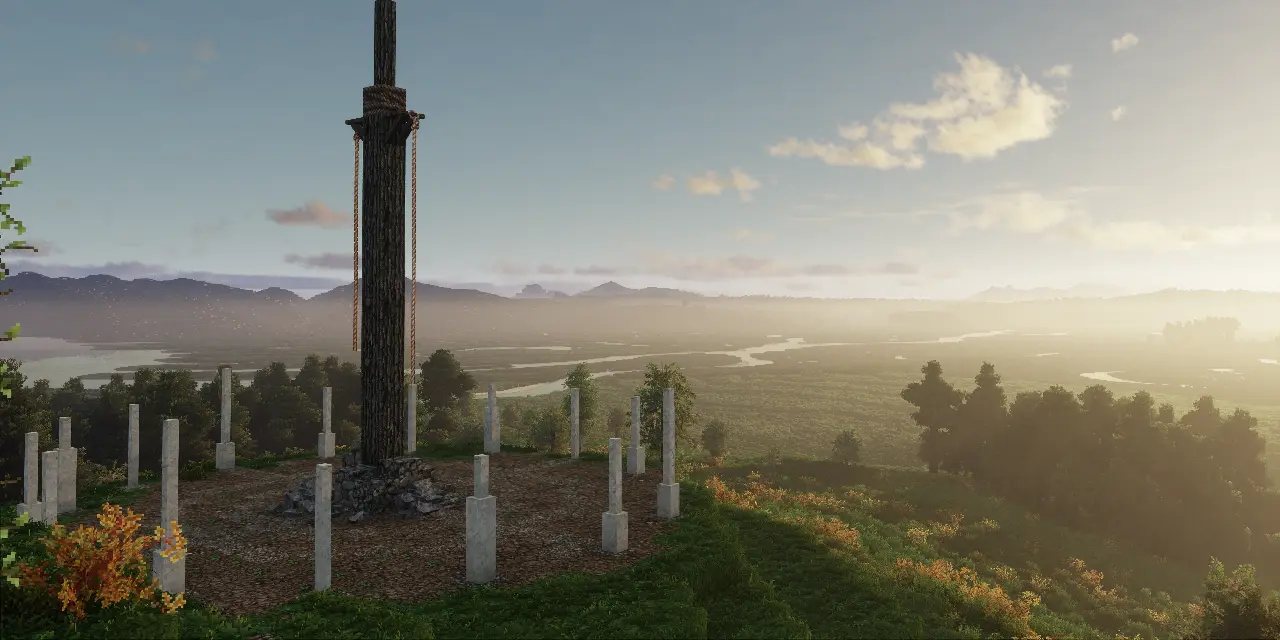
A large, circular, stone sun calendar has been constructed at the top of the highest ridge. Inside are 8 thrones, one for each village leader. Here, they gather during the summer equinox to hash out trade agreements and disagreements between the people of Forochel. The yearly gathering is a time of great joy and festivities.

The people of Geagaddi are known for their worship of the dead. They believe their ancestors who have passed still live among them. Skulls of the dead can be found throughout their burial area.

Completed

Tunstede

About

Tunstede is a Beorning village between the Old Ford and Burneburg.

Completed

Burneburg

About

Burneburg is a Beorning town along the Anduin river. The majority of the town, along with a larger wooden fort sit on a small island in the middle of the river.

Completed

Brimstream

About

The Beorning village of Brimstream lies at the feet of the Misty Mountains. Its wooden houses sit on either side of a larger stream.

Completed

Edrainglad

About

Edrainglad was an Arnorian town in Arthedain. It was destroyed by the forces of Angmar in T.A. 1974.

Completed

Stanbrycg

About

Stanbrycg is a farming village in the east of the Westfold.

Completed

Fugoldun

About

Located in the north of the Westfold, the village of Fugoldun lies north of Mearhdenu. A sizeable market lies near its eastern entrance and is frequented by those passing through. Several Beorning families live in the village, none of whom are of the shape-shifting variety.

Completed

Holtwic

About

Holtwic is a small Beorning village sitting along the Old Forest Road west of the Old Ford.

Completed

Aldorstowe

About

Located on the western edges of the Westfold, Aldorstowe is named after Aldor, the third King of Rohan, who used this village as his base of operations in his successful wars against the Dunlendings. Situated along one of the main roads through Rohan, the village is also an important trade hub.

Completed

Helmham

About

Located just north-east of Helm's Deep in the Westfold, Helmham is named after the famed former King of Rohan, Helm Hammerhand.

Completed

Canas Esgar

About

Canas Esgar was a town in Arthedain. Largely abandoned due to the war with Angmar, the remaining population was wiped out by the Great Plague in T.A. 1636.

Completed

Stipel

About

Stipel is a Rohirrim village in the Westfold north of Aldorstowe. Its wooden keep overlooks the village's surrounding lands.

Completed

Folcmund

About

The chief settlement of the Westfold, Folcmund is located east of Helm's Deep. Sitting on top of a small hill and protected by a tall wooden palisade, it is more heavily fortified than any other settlement in the region.

Completed

Eastemnet Fort

About

The only permanent settlement in the Eastemnet, this fort guards the eastern side of the Entwade, the sole safe crossing over the Entwash in the region.

Completed

Oferdun

About

Located in the centre of the Folde, the farmers of Oferdun maintain much of the region's vast fieldlands. The village is also notable for its cider production as a large cidery lies in its south eastern end.

Completed

Eamund

About

The hillfort village of Eamund lies in the east of the Folde, between the two major Rohirrim settlements of Edoras and Aldburg. Its three ramparts make it an important defensive stronghold.

Completed

Schephurst

About

Located at the confluence of the Snowbourn and the Entwash, Schephurst is the easternmost village in the Folde.

Completed

Folde Quarry

About
Completed

Ealdsele

About

Ealdsele sits on the northern edge of the Folde, guarding one of the main roads leading into the Westemnet. Its position makes it an important trade hub, as many travelers and merchants on their way from and to Edoras pass through here. The village first grew around an old homestead which now lies in the village's centre and the defenses of which are still being kept intact.

Completed

Yppeton

About

Located on the western edge of the Folde, the village of Yppeton sits on the slopes of a hill along a larger stream flowing into the Snowbourn. The village's fort is an important defensive position along the western road leading to Edoras.

Completed

Riascach

About

Riascach is a hillfort village in southern Dunland. Located along the two main roads of the region, its fortifications consist of three tall mounds that help protect its inhabitants from possible attackers.

Completed

Mai Dun

About

The hillfort village of Mai Dun sits in central Dunland between two of the region's largest forests.

Completed

Forvenathrad

About

Forvenathrad was an Arnorian town in Cardolan. Largely abandoned due to the war with Angmar, the remaining population was wiped out by the Great Plague in T.A. 1636.

The great flood of the Long Winter in T.A. 2912 destroyed much of the city's remains, leaving only the foundations of what once was the town's centre.

Completed

Grenewæt

About

Grenewæt is the southernmost village of the Westemnet. It lies just north of Eamund west of the Entwash.

Completed

Faraholt

About

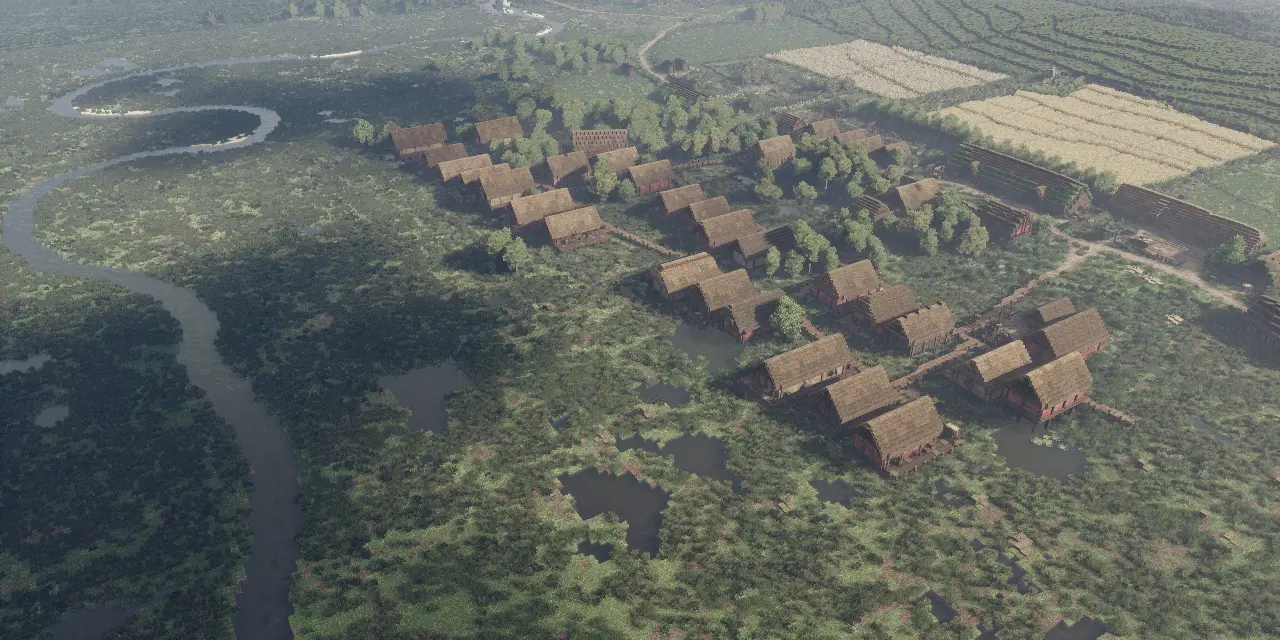
Sitting among an old Alder glove, the Westemnet village of Faraholt mostly consists of stilt houses as it borders a marshland towards the north.

Completed

Cois Abhann

About

Cois Abhann is the northernmost village of Dunland. Sitting along the southern banks of a minor confluence of the river Greyflood, a number of the village's inhabitants are fishermen.

Completed

Ard Phuing

About

Located on a large hill at the feet of the Misty Mountains, Ard Phuing is the chief village of Dunland.

Completed

Rondgeld

About

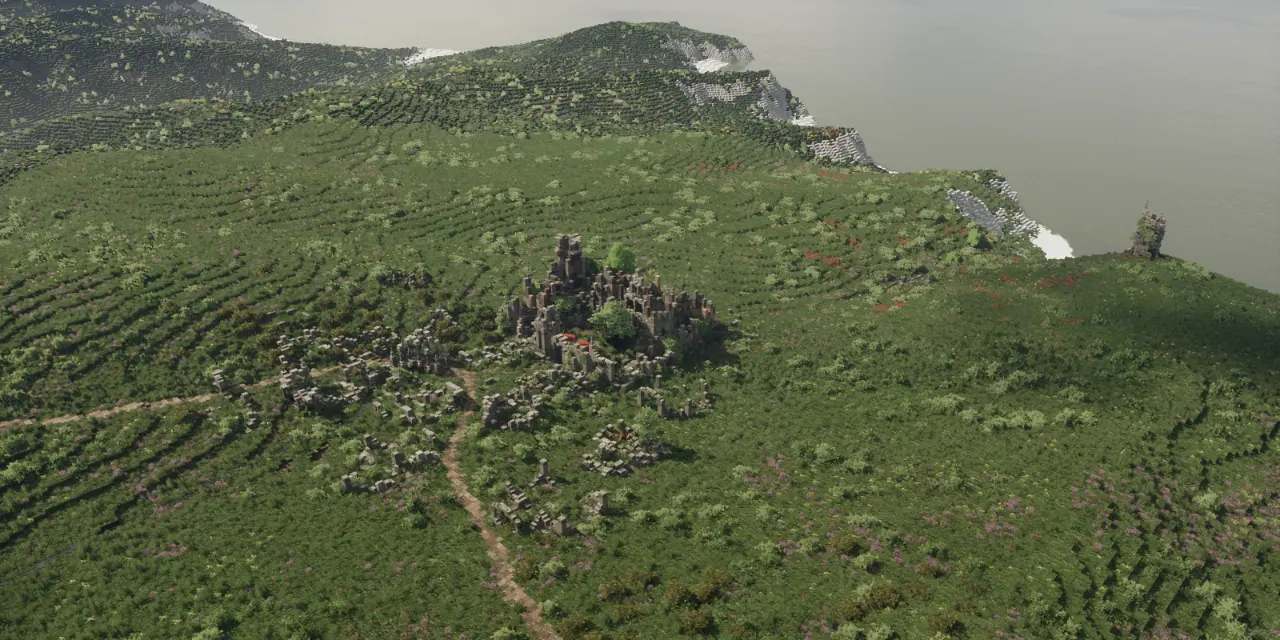
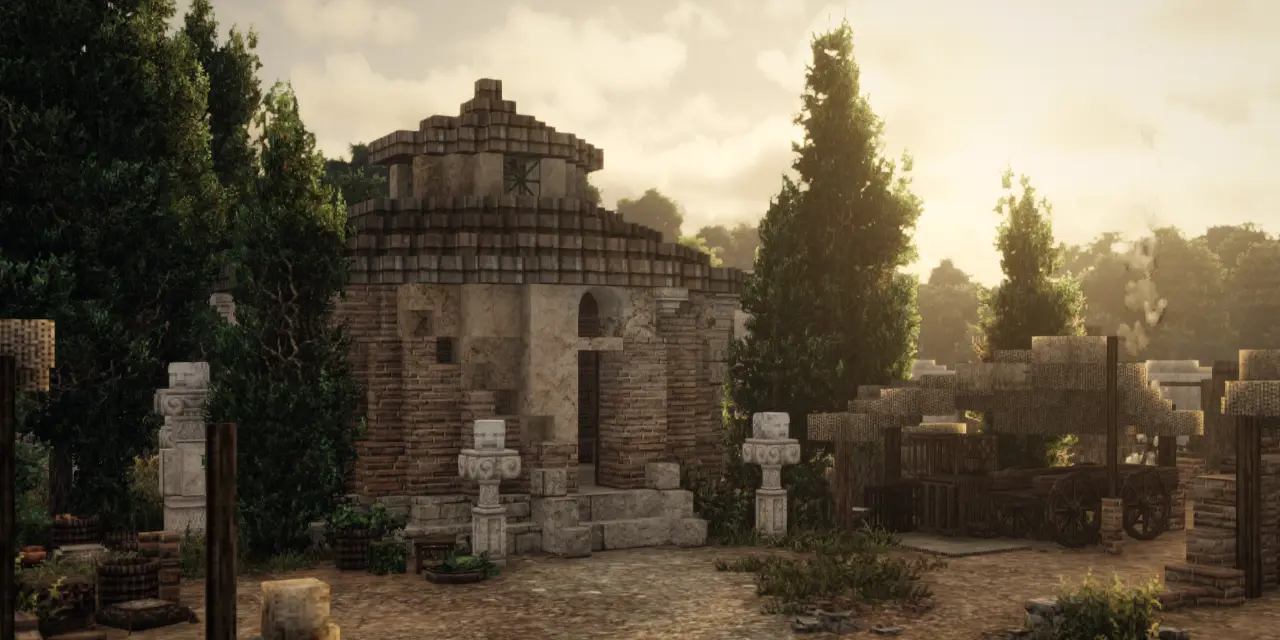
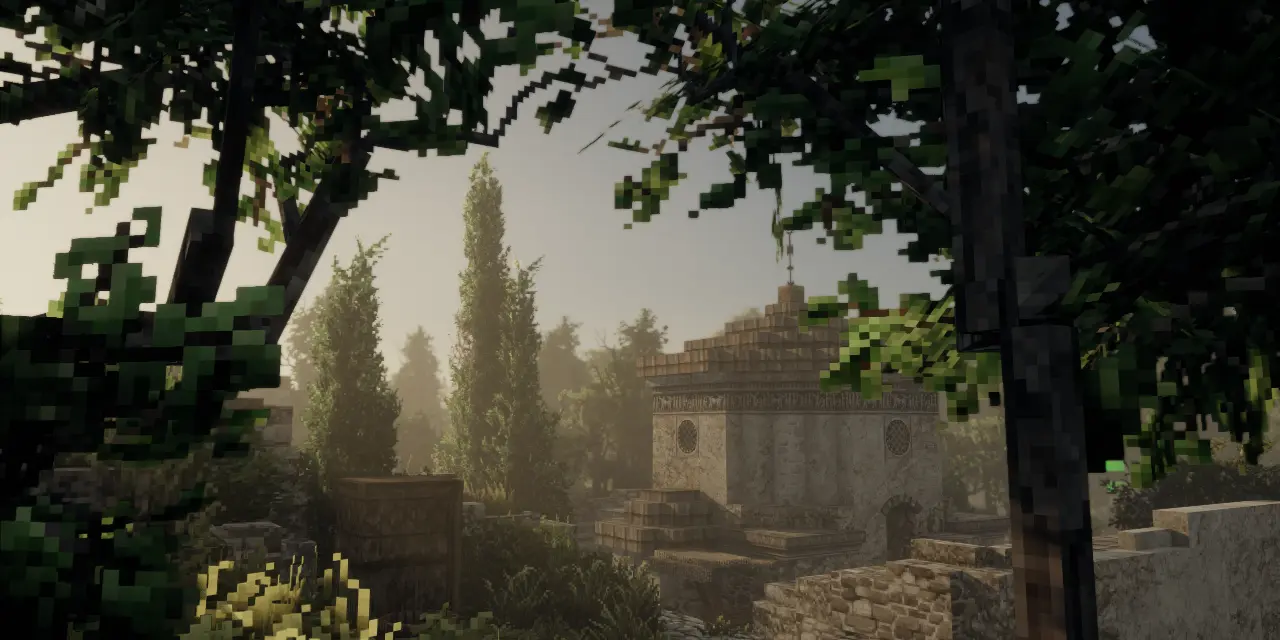
The chief settlement of the Eastfold, Rondgeld is built among the ruins of an old Gondorian town. Similar to the first Rohirrim capital of Aldburg, early settlers chose to dwell in the remains of what once was the capital of the Gondorian province of Calenardhon due to its defensibility. Notable ruins include the town's walls and keep, the remains of its theatre, and the old harbour to the town's north.

Completed

Thorpe

About

Located close to the border with Gondor, the village of Thorpe is not only the eastern most settlement in the Eastfold but the entire kingdom of Rohan. It overlooks the road toward Anórien.

Completed

Weardseld

About

The small village of Weardseld grew around an old Gondorian watchtower guarding the main road connecting the Eastfold and Anórien.

Completed

Stæpham

About

Sitting in the north of the Eastfold, Stæpham's fields help to supplement the produce of Rondgeld which lies just west of the village.

Completed

Casthenid

About

Casthenid was founded in the early Third Age near an old Númenórean fort guarding the Greyflood and quickly grew wealthy. Eventually, the fort was transformed into a fortified mansion, and a palace was built next to it. After the split of the kingdom of Arnor, it became part of the kingdom of Cardolan.

The war against Angmar led most of the inhabitants to desert the town. The remaining population was decimated by the Great Plague in T.A. 1636, leaving the remains of the town to ruin. The great flood of the Long Winter in T.A. 2912 completely erased the lower town and harbour.

Completed

Dun Thuaidh

About

Dun Thuaidh is a small village in northern Dunland at the feet of the Misty Mountains.

Completed

Celondyr

About

Celondyr was an Arnorian town in Cardolan. Largely abandoned due to the war with Angmar, the remaining population was wiped out by the Great Plague in T.A. 1636.

The great flood of the Long Winter in T.A. 2912 destroyed much of the city's remains, leaving only the foundations of what once was the town's centre.

Completed

Dôr Ledin

About

Dôr Ledin was an Arnorian town in Cardolan. Largely abandoned due to the war with Angmar, the remaining population was wiped out by the Great Plague in T.A. 1636.

The great flood of the Long Winter in T.A. 2912 destroyed much of the city's remains, leaving only the foundations of what once was the town's centre.

Completed

Cemparest

About

Cemparest grew around an old Gondorian fort sitting on top of a wide hill. The fort is only barely maintained now, as its remote position in the north-western corner of the Eastfold makes it less strategically important than those located along the region's major trade routes.

Completed

Cae Uchel

About

Cae Uchel is a hillfort village in southern Dunland.

In Progress

Pelandros

About

Pelandros ("Walled town at Andros"), or Androbel is an old settlement at western bank of the crossing of Cair Andros. It is located between Lisclorn and Osgiliath in Anórien.

It is possible that a permanent military camp already existed at Pre-Alliance Colonial era. A garrison was first built and townland formed around it with city walls. During the reign of the Ship Kings, Pelandros was a city of modest size where dual authorities of the Captain and the Warden existed. During Kinstrife, Castamir besieged and took the city, and a great fire rampaged everything within. King Eldacar had to recover it during his second reign. The city still continued to prosper, even through the era of Plague and chaos in the outer fiefs. But Fall of Rhûnaer and Rhovanion, gradual ruralization of Calenardhon towns and Osgiliath meant shrinking economic value of Pelandros. Progressive ruralisation is quite clear, despite continous immigration from Ithilien between 25-29th centuries. At some point of late third millenium, seat of Warden was abolished and authority integrated with Captain. Captain of Pelandros also became subject to Captain of Cair Andros. Steward Túrin II renewed garrison of Pelandros, moving most of troops to eastern part of the city. At the last century, most of the population had deserted Pelandros. In TA 3006, the town merely consists of the garrison and community of farmsteads and artisans that support Cair Andros.

Not Started

Isenwick

About
Completed

Gwâr-Estel

About

Built on the remains of an old Arnorian manor, Gwâr-Estel is the chief dwelling of the remaining Northern Dúnedain. As they first began to settle there, multiple farmsteads grew around it. Serving as the headquarters of the Rangers of the North, their barracks are located in the eastern wing of the old manor complex.

While the Chieftains of the Dúnedain have traditionally resided in Gwâr-Estel, their close ties to the Elves of Rivendell and their obligations throughout the region mean they seldom stay their for an extended amount of time.

Its origin as an Arnorian manor results in Gwâr-Estel featuring more lavish feast and dining halls than the often only sparsely furnished Dúnedain homesteads throughout the rest of the Angle.

In Progress

Macheldun

About

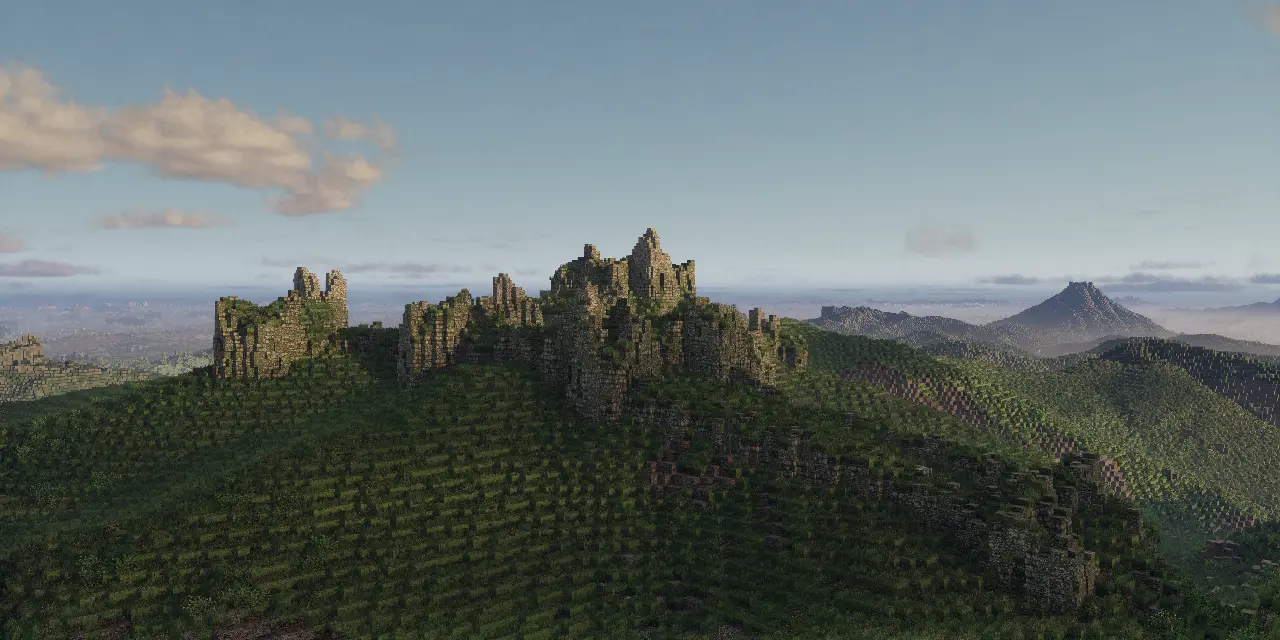
This ancient hillfort sits in the south-east of the West Marches. Being of Dunlendic origin, it is mostly occupied by Middle-Men, although a few Rohirrim have settled there over the centuries. Its location makes it the economic centre of the southern West Marches and the final defensive line before the ancient fort of Frecasburg.

In Progress

Lisclorn

About

Early in the Third Age, the Men of Gondor built a fortress at the site of modern-day Lisclorn. A vibrant town grew around it over the next several centuries, but was decimated by the Great Plague. From that point Lisclorn had gone through slow recovery, and when Ithilien fell and the Anduin around Osgiliath became no longer safe, the city experienced a renewal, becoming a major hub of trade between Rohan and Anórien.

F57

About

F41

About

F35

About

F33

About

F31

About

F32

About

F15

About

F27

About

F14

About

F12

About

F11

About

F9

About

F7

About

F8

About

E11

About

F4

About

F3

About

F2

About

E14

About

F1

About

E5

About

E4

About

E1

About

D50

About

E2

About

D47

About

D55

About

D45

About

D29

About

D42

About

D35

About

D25

About

D19

About

D13

About

D11

About

D10

About

D7

About

D8

About

D5

About

D3

About

D4

About

C23

About

D2

About

D1

About

C21

About

C20

About

C19

About

C18

About

C9

About

C16

About

C15

About

C6

About

B52

About

B40

About

B48

About

B44

About

B41

About

B42

About

A6

About

A3

About

B39

About

B36

About

A4

About

A5

About

H2

About

M7

About

A5

About

A4

About
Not Started

Lossarnach

About

Lossarnach is a region of Gondor, in the southeastern vales of the White Mountains. Its name is derived from the Sindarin loss (meaning 'snow' or 'flower', most likely referring to the white blossoms of the fruit trees in the area) and arnach, a Pre-Númenórean word of unknown meaning.

Lossarnach is mostly an agricultural region, well known for its orchards and its flowering meadows. Medicinal herbs, including athelas, grew in its forests.

Not Started

Mirkwood

About

Mirkwood is a large forest to the west of the River Anduin and the Misty Mountains. It is traversed by Bilbo Baggins during his journey to Erebor.

In Progress

Misty Mountains

About

The Misty Mountains are a mountain range spanning much of northern Middle-earth. Its northern feet can be found in Forochel and its southern terminus is at the Gap of Rohan, near Isengard.

Not Started

Ithilien

About

Ithilien is a formerly prosperous fief of Gondor, but has been abandoned in recent centuries due to its proximity to Mordor. The Rangers of Ithilien wage a guerilla war against the forces of Minas Morgul.

Not Started

Rhovanion

About

Rhovanion encompasses vast swathes of northern Middle-earth. Once a powerful state, the name still refers to the region east of the Misty Mountains and north of Mordor.

Not Started

Belfalas

About

Belfalas is a fief of Gondor situated on a peninsula, which protrudes into the Bay of Belfalas. Its capital is Dol Amroth.

Not Started

Lebennin

About

Lebennin is the most populous of Gondor's fiefs, producing much of the kingdom's food. Its capital is Pelargir.

Not Started

Harad

About

Harad is a vast continent in the south of Middle-earth.

Completed

Wold

About
The wind was in the East and all the mists had rolled away; wide lands lay bleak about them in the bitter light. Ahead and eastward they saw the windy uplands of the Wold of Rohan that they had already glimpsed many days ago from the Great River.
- The Two Towers (Book 3), Chapter 2

The Wold is the northernmost and least populated region of Rohan. In the summer months, camps of herdsmen can be found scattered among its vast plains. Its proximity to Mirkwood and Dol Guldur makes the region prone to raids by both evil men and Orcs. In millennia past, when the region was still part of the Gondorian province of Calenardhon, a series of forts were erected to protect the region's eastern border from such attacks.

Geography

The Wold is a large plainland bordered by Fangorn Forest in the west and the river Anduin in the east. It marks the northern frontier of the kingdom of Rohan as the region lies next to the Elven realm of Lothlórien and the vast lands of Rhovanion.

Culture

Lone men, riding wild, brought word of foes assailing their east-borders, of orc-hosts marching in the Wold of Rohan.
- The Return of the King (Book 5), Chapter 3

The only region of Rohan without any permanent settlements, the Wold is only occupied during the summer months. Then, herdsmen from other parts of the kingdom, most notably the Eastemnet, migrate north to lead their stock across the plains. As they make their way across the land, so do their camps. The region's size and relative isolation from the rest of the kingdom make it a prime target for raids, as well as a first target for larger attacks on Rohan.

Completed

Westfold

About

The Westfold is a region of Rohan, situated next to the Gap of Rohan. It is attacked by the forces of Isengard in the War of the Ring.

In Progress

West-march

About
Helm then proclaimed Freca’s son and near kin the king’s enemies; and they fled, for at once Helm sent many men riding to the west marches.
- Appendix A, The Annals of Kings and Rulers

The westernmost region of the kingdom of Rohan, the West-march (or the West Marches) have held a unique position throughout the kingdom's history. Situated on a triangular peninsula between the rivers Isen and Adorn, it is only connected to the rest of Rohan by a small road along the feet of the White Mountains. Its largely isolated position paired with its strong Dunlendic heritage have made its loyalty to the Kings of Edoras dubious throughout the region's history.

This was most notably the case when Wulf, Lord of the West Marches, rebelled against King Helm Hammerhand in T.A. 2758. Together with his Dunlending allies, he invaded the other parts of the kingdom in an attempt to crown himself king. Although he managed to drive King Helm to Helm's Deep and capture Edoras, his rebellion ultimately failed after the Long Winter of T.A. 2759.

Geography

He grew rich and powerful, having wide lands on either side of the Adorn. Near its source he made himself a stronghold and paid little heed to the king.
- Appendix A, The Annals of Kings and Rulers

The West-march is the westernmost region of Rohan and its only region west of the White Mountains. It is only accessible by a small road between the river Isen and the feet of the mountains. The largest part of the region is made up of a triangular peninsula between the Isen and the Adorn, the latter of which arises in the mountains on the region's eastern border.

This peninsula can be divided into an eastern and western half. The eastern half consists of a highland, largely covered in forests. It has been settled for many centuries. The lowlands that constitute the region's western half, on the other hand, have only been settled in recent years. The most recent of these settlements is the village of Aberrhyd.

Climate

Significant seasonal differences between warm to hot summers and cool to cold winters are the main feature of the region's climate. Both temperatures above 30°C for the summer months and air frosts during winter are common. In addition, the climate is much gloomier than in the regions south of the White Mountains, although less so than in Dunland.

Rainfall is quite heavy compared to other regions of Rohan, although the number of rainy days is relatively moderate. As a result of winter lows averaging below freezing, snowfall also occurs, although the the region's climate is too mild to sustain a snowpack all winter, unlike the surrounding mountains.

Governance

The West-march is ruled by a Thegn (or Thane) sworn to the King of Rohan. The region's isolated position grants its ruler much independence. The Thegn resides in Isenwick and is responsible for the governance and defense of the region. His subjects pay him tribute in the form of produce and other valuables. The current Thegn is Idelgeorn, an old man who has very little interest in governing.

Most of the day-to-day ruling is given to the six Aldermen, powerful men who act as the Thegn's counsel. The most important of these is Ealdwulf, of the lineage of Wulf. A shrewd politician, he has amassed much wealth in recent years and betrothed himself to the Thegn's daughter. Though he resides in Carrdun, he is rebuilding his ancestral fortress in the region's southeast with the help of stonemasons from Isengard.

Culture

At the same time Rohan was again invaded from the East, and the Dunlendings seeing their chance came over the Isen and down from Isengard. It was soon known that Wulf was their leader.
- Appendix A, The Annals of Kings and Rulers

Culturally, the West-march is characterized by its mixed Dunlendic and Rohirric identity. While the eastern parts of the region are more closely tied to Rohan and its culture and customs, the western parts of the region remain mostly Dunlendic. This divide is not only expressed in beliefs and customs but also in architecture. While longhouses are more numerous in the east of the West Marches, its western and southern settlements are almost entirely comprised of Dunlendic roundhouses.

The West-march’s strong connection to Dunland and its people extends to religious beliefs. Similar to the Dunlendings, the people of the West-March believe in a wide pantheon of deities, including some major gods that are common across the land as well as minor, local spirits. There are no direct visual depictions of these deities, only symbolic representations. Druids are the leading religious figures and live in almost every larger West-march settlement. They may have a particular devotion to a local god, but more often they are universal in their practice.

Economy

The West-march's mixed cultural identity also impacts its economy whereby it represents a middle ground between the more primitive Dunlendings and the more technologically advanced Rohirrim. The vast majority of the West-march’s inhabitants are farmers and herdsmen. Its industries, such as weaving, woodworking, and tanning are often limited to individual homes and local use.

The region's geographic isolation further limits its possibilities to engage in trade. Although trade with the eastern parts of Rohan remains important, the past conflicts between the two have left their mark. In recent years, trade with Isengard has become more and more prevalent as the wizard Saruman continues to expand his sphere of influence.

Completed

Westfarthing

About

The Westfarthing is a region of the Shire. Prominent settlements include Hobbiton, Michel Delving and Tuckborough. The Took and Baggins families reside in the Westfarthing.

Not Started

Vale of Anduin

About

The Vale of Anduin comprises the length of the River Anduin from its source in the Grey Mountains to the Wold. It sits in a valley between the eastern foothills of the Misty Mountains and Mirkwood.

Completed

The Angle

About

The Angle is a region in Eriador. It is situated south of the Trollshaws, before the confluence of the rivers Mitheithel and Bruinen. It is home to the remnants of the Northern Dunedain.

Completed

Southfarthing

About

The Southfarthing is the southernmost region of the Shire. It is home to the Sackville Baggins family and is the only region of the Shire warm enough to grow pipe-weed.

Completed

Lindon

About

Lindon is situated west of the Blue Mountains and is the last remnant of Beleriand. Elves wishing to travel to Valinor must take a ship from the Grey Havens at Mithlond.

Completed

Forochel

About

Forochel is a region in the far north of Middle-earth. It is inhabited by the Lossoth.

Completed

Folde

About

The Folde is the principal region of Rohan and has been the location of both capitals of Rohan; first Aldburg and then Edoras.

Completed

Far Downs

About

The Far Downs are a group of hills that mark the westernmost border of the Shire. Beyond are the White Towers and Lindon.

Completed

Ered Luin

About
Completed

Eastfarthing

About

The Eastfarthing is a region of the Shire that comprises Woody End, The Marish and the Hills of Scary.

Completed

Eastemnet

About

The Eastemnet is a hilly region of Rohan, adjacent to the Emyn Muil. It is a region central to the breeding of horses, for which Rohan is so famous.

Completed

Westemnet

About

The Westemnet is a flat, marshy region of Rohan to the south of Fangorn forest. Various homesteads can be found here, occupied by herdsmen in the summer months.

Completed

Dunland

About

Dunland is a region in the western foothills of the Misty Mountains. It is occupied by various tribes, who are often at war with Rohan or each other. They ally with Isengard in the War of the Ring.

Completed

Northfarthing

About

The Northfarthing is the northernmost and hilliest region of the Shire. Within it is Greenfields, where the hobbits fought off orcs from Mount Gram. It is the only Farthing of the Shire not to touch the Three Farthing Stone.

Completed

Eastfold

About

The Eastfold is the region of Rohan closest to Gondor, and several large ruins can be found from when Rohan was a province of Gondor.

Completed

Buckland

About

Buckland is a region of the Shire between the eastern bank of the Brandywine and the western eaves of the Old Forest. It is under the authority of the Master of Buckland.

Completed

Lothlórien

About

Lothlorien is an elven kingdom in a wood of mallorn trees. It is ruled by Galadriel and her husband Celeborn.

Completed

Eriador

About

Eriador is a vast, mostly unpopulated land between the Misty Mountains and the Blue Mountains. It once contained the Kingdom of Arnor.

Completed

Bree-land

About

Bree-land is a populated area in Eriador consisting of Bree and its satellite villages of Combe, Staddle and Archet.

In Progress

Rohan

About

Rohan is a kingdom north of the White Mountains. It is renowned for its horses and is in an alliance with Gondor. Its capital is Edoras.

In Progress

Moria

About

Moria, also known as Khazad-dûm, is the ancestral homeland of the Longbeard dwarves under Caradhras. It is currently in ruin, only inhabited by orcs and the Balrog known as Durin's Bane.

Completed

The Shire

About

The Shire is a region in Eriador inhabited by Hobbits. It was gifted to them by the King of Arnor, and has been their home for over a thousand years.

Not Started

Mordor

About

Mordor is a region surrounded on three sides by mountains. It is home to the Dark Lord Sauron, from which he launches his plans to conquer Middle-earth.

In Progress

Anórien

About

Men first settled in what is now known as Anórien during the First Age, when the Drúedain (or Púkel-men) fled into the region's forests after being hunted by men from the East. While they still linger in these forests today, the region is now occupied by the kingdom of Gondor. In the late Second Age, after the fall of Númenór, the region was given to Anárion as part of the Realms in Exile and was named 'Anórien' after him. Here, Anárion built Minas Anor, the future Minas Tirith.

By T.A. 3006, Anórien was the northernmost fiefdom of Gondor. It has become increasingly deserted due to plagues and the threat from Mordor. Nowadays, Anórien is one of the few fiefs which is still dominated by the Dúnedain of Gondor; specifically, in Minas Tirith and the adjacent townlands where Sindarin is still known and used as a daily language.

In Progress

Gondor

About

The Kingdom of Gondor is the greatest realm of Men in the west of Middle-earth at the end of the Third Age. It was founded by the Exiles of Númenor led by Elendil, who established the Realms in Exile of Arnor and Gondor.

Join the project

Access the full website, chat on our Discord server, and help fund development.

Measured distance
0 distance or perimeter
0 area

Hobbit

0 days

Orc

0 days

Dwarf

0 days

Man

0 days

Elf

0 days